Researchers propose new strategies to clear 13,000 tonnes of space junk
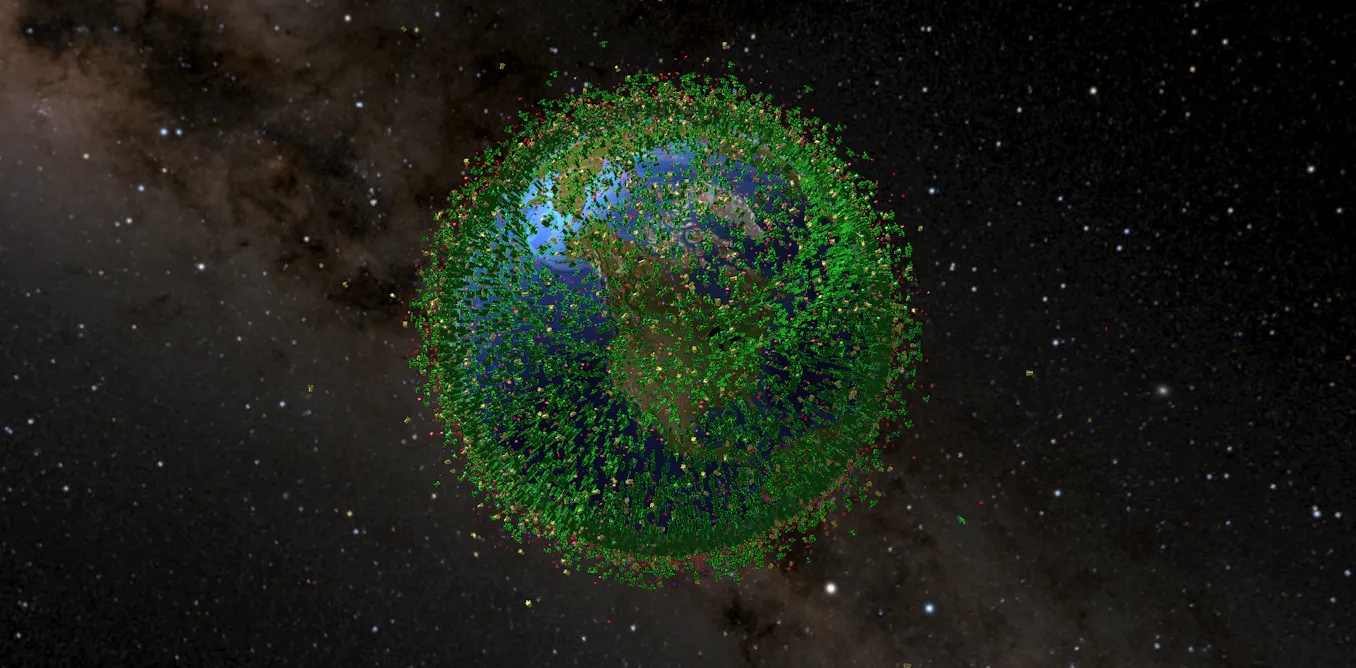
To combat the crisis of 13,486 tonnes of orbital debris, scientists are advocating for a shift toward modular satellites and active recycling missions. This strategy aims to prevent runaway collision events and mitigate the environmental impact of decommissioned spacecraft.

Earth’s orbital environment faces a critical threshold of congestion, with approximately 13,486 tonnes of human-made debris threatening the infrastructure that supports global communications, weather tracking, and navigation. This accumulation of defunct spacecraft, discarded rocket bodies, and millions of smaller fragments represents a significant risk to both crewed missions and the expanding satellite constellations upon which modern life relies.
The urgency of the situation stems from the velocity at which these objects travel — averaging 7 kilometres per second in low Earth orbit. The potential for a "Kessler syndrome" — a runaway chain reaction where collisions generate further debris, potentially rendering essential orbital lanes unusable, has prompted researchers to propose a shift toward a circular space economy. This approach, outlined in the journal Chem Circularity, advocates for fundamental changes in how satellites are designed, repaired, and retired.
Related media


The Circular Space Economy
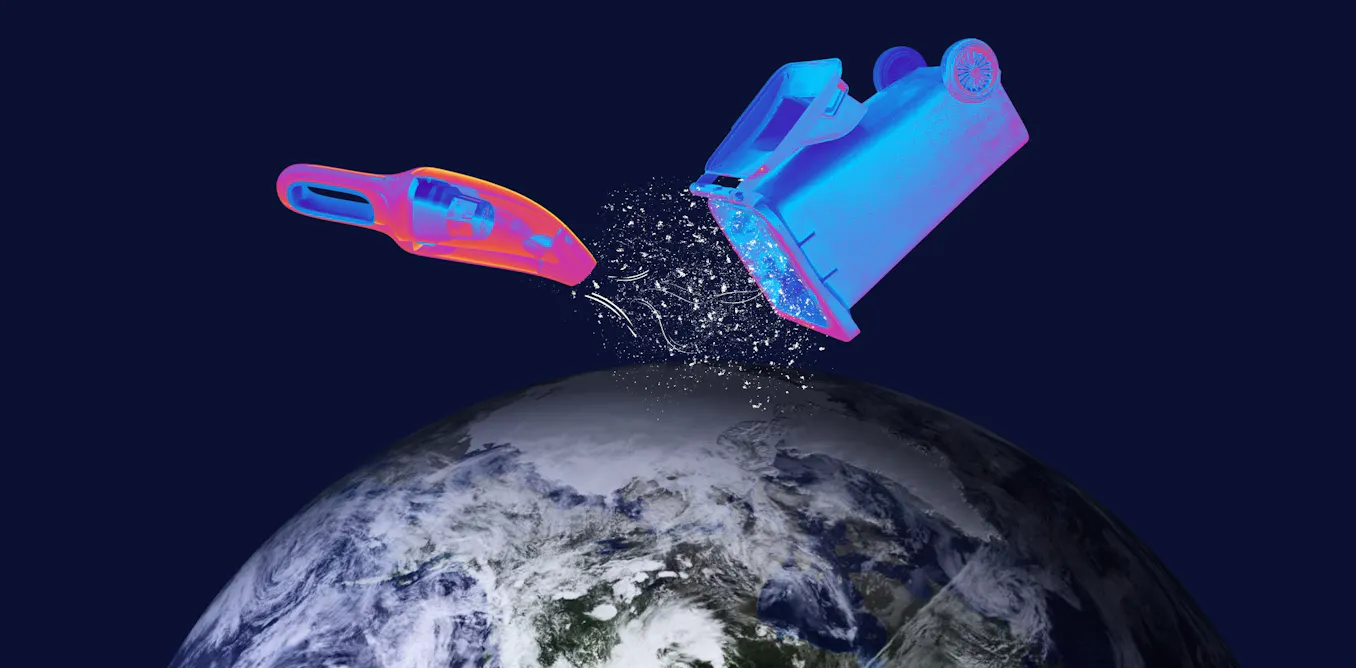
Scientists and engineers are now promoting the "3 Rs", reduce, reuse, and recycle, as the framework for future space operations. This model involves moving away from the current standard, where hardware is discarded upon mission completion. Instead, the proposal calls for:
- Building modular satellites that can be repaired or upgraded in orbit rather than replaced.
- Developing space stations as multifunctional centers for refueling and maintenance.
- Designing spacecraft and rockets with materials that can be recovered or repurposed.
- Utilizing robotic systems, such as arms and nets, to capture and recycle derelict components.
According to researchers, these initiatives are necessary because the status quo of simply shifting dead satellites into "graveyard orbits" or allowing them to burn up in the atmosphere is becoming ecologically and operationally untenable. Atmospheric reentry, while common, releases soot and alumina particles that pose a threat to the ozone layer, potentially exacerbating environmental damage beyond the reach of Earth's surface.
Technological and Regulatory Hurdles
While the concept of Active Debris Removal (ADR) has gained traction, practical implementation remains in its infancy. Debris removal technologies include nets, magnets, tethers, sails, slingshots, and harpoons. Very few have been successfully tested in space.
Policy frameworks are slowly evolving to meet these challenges. The European Space Agency is spearheading a zero debris policy, and the Inter-Agency Debris Co-ordination Committee issues debris mitigation guidelines. The old standard was that spacecraft should not remain in original mission orbits for more than 25 years. Now it's five years. However, experts note that a globally agreed-upon space traffic management system, essential for enforcing these "road rules", does not yet exist.
A Shift in Perspective
The accumulation of debris is often attributed to competitive ideologies and a lack of moral obligation toward the space environment. Because orbital space is frequently perceived as an empty, lifeless domain, there has historically been little incentive for private operators to account for the "negative externality" of the trash they leave behind. Researchers argue that this mindset must change to treat the space environment as an interconnected system, linking the ocean’s spacecraft graveyards, the atmosphere, and Earth-lunar orbits.
What to Watch Next
The coming years will likely be defined by the transition from purely observation-based debris tracking to active remediation. Key developments to monitor include:
- Increased ADR Testing: Following successful close-approach demonstrations, private industry is expected to scale up tests of capture mechanisms such as harpoons, magnets, and tethers.
- Regulatory Pressure: Watch for the adoption of more stringent, legally binding international standards that mandate the design of "disposable" or "repairable" satellites.
- Material Innovation: Keep an eye on testing for unconventional spacecraft materials, including wood, which could prove more sustainable for reentry.
- Cultural Shifts: As orbital debris becomes more visible through atmospheric reentries, researchers predict a rise in "cultural meteorites," which may further drive public demand for sustainable space policies.
Ultimately, the ability to manage this "cosmic junkyard" will determine whether humanity remains a spacefaring species or finds itself cut off from the orbits it now occupies.
How significant is this development?
Contribute your assessment to the aggregated reader intelligence ledger.
Archypedia is dedicated to independent, evidence-backed reporting. This briefing was synthesized from primary source reporting, corroborated across independent newsrooms, and verified against our Editorial Standards.
Transparency record
Evidence behind this report
This report synthesizes 8 distinct sources. Open the source ledger below to compare the underlying coverage.
- inkl.com
- deccanchronicle.com
- theconversation.com
- sciencedaily.com
- en.wikipedia.org
- forbes.com
- ts2.tech
- scientificamerican.com
Prepared under the Archypedia Editorial Policy by the Niko Vale editorial desk profile. AI-assisted tools may support drafting and verification; public accountability remains with Archypedia. Report an error.