Canadian boy dies of rabies after bat encounter at Ontario cottage
A report on an 11-year-old boy's death from rabies in Ontario highlights the necessity of immediate medical care following any direct contact with a bat. Experts warn that because bat bites may not leave visible traces, post-exposure prophylaxis is vital before symptoms emerge.
Medical experts are renewing urgent warnings regarding the risks of wildlife interaction following the death of an 11-year-old boy in Canada from rabies. The case, detailed in a report published in the Canadian Medical Association Journal, outlines a tragic sequence of events stemming from a summer 2024 encounter at a cottage in northern Ontario.
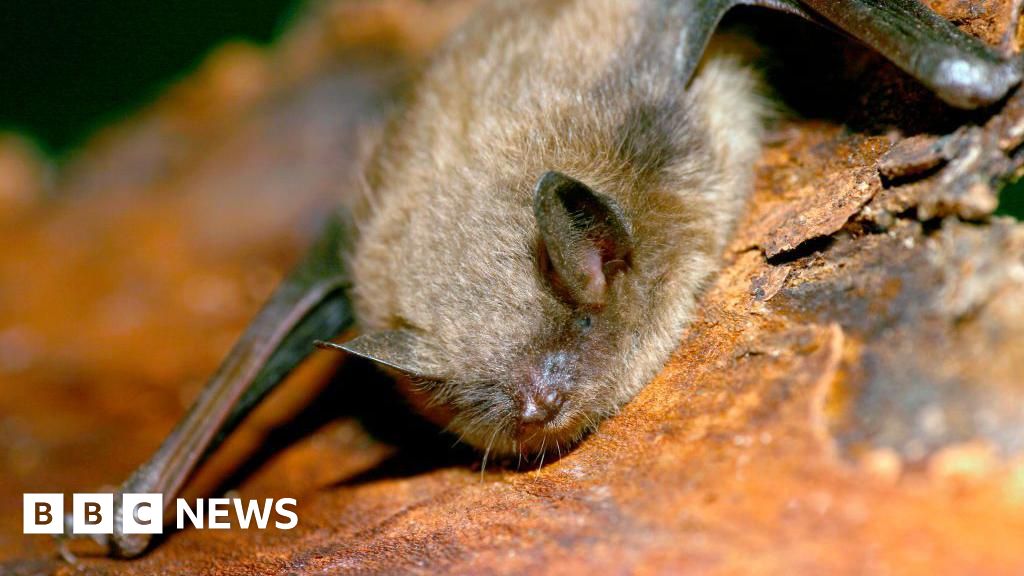
The boy, who was not named in the report, woke to find a bat resting on his nose and mouth. He swatted the animal away, and his father successfully captured it in a pot before releasing it outside. Because the boy appeared unharmed and the bat did not behave in a visibly erratic manner, the family did not seek immediate medical attention, believing the encounter to be benign. This decision reflects a common misunderstanding of rabies transmission; while bat bites or scratches are the typical route for the virus, they are often so small they leave no detectable trace.
Related media


According to the medical report, symptoms emerged 19 days after the contact. The boy initially developed numbness and swelling on the right side of his face. His clinical journey over the following days involved multiple medical interventions as providers struggled to identify the underlying cause of his deteriorating condition:
- Urgent Care: Doctors prescribed antiviral medication, suspecting Bell’s palsy or a herpes virus infection.
- Hospital Admission: The boy was initially evaluated for herpes gingivostomatitis, a viral mouth and gum infection.
- Neurological Decline: Upon returning to the hospital, he exhibited facial weakness, slurred speech, fever, difficulty swallowing, confusion, and visual hallucinations.
Once hospitalized in the paediatric intensive care unit, doctors from the University of Manitoba strongly suspected rabies. A PCR test later confirmed the infection, and the Canadian Food Inspection Agency identified the culprit as a bat rabies virus variant. Despite aggressive treatment, the boy died 17 days after his hospital admission. This marked the first locally acquired human rabies case in Ontario since 1967.
The case serves as a stark reminder of the unique challenges posed by rabies. The virus attacks the central nervous system, and once clinical symptoms appear, the condition is almost universally fatal. However, it is entirely preventable if post-exposure prophylaxis—a series of vaccinations and rabies immune globulin—is administered immediately following contact. Public health authorities emphasize that because bat bites may go unnoticed, any direct contact with a bat should be treated as a medical emergency.
"It was important to us and to the family to take the opportunity to find learning experiences and lessons that we could take from his case to try and help spread awareness and understanding of rabies infection and risks. If you get symptomatic rabies infection, it is near universally fatal. But if you get the prevention before symptoms develop, it is near universally successful."
Dr. Brian Hummel, pediatric infectious disease specialist
Human rabies remains exceedingly rare in Canada, with 28 deaths recorded since 1924 according to the Canadian Veterinary Medical Association. The association attributes this low incidence to rigorous vaccination programs, while noting that lapses in these efforts could invite a return of the disease. In the United States, the Centers for Disease Control and Prevention reports that fewer than 10 people typically die from the virus annually, with bats identified as the primary source of human infections in North America.
The report in the Canadian Medical Association Journal arrived amid ongoing vigilance elsewhere in North America. In a separate event on 23 June 2026, a 6-year-old girl in Tigerton, Wisconsin, was treated after a bat latched onto her leg. That bat tested positive for rabies, allowing for timely intervention.
Health officials suggest the following guidelines for future wildlife interactions:
- Assume risk: Do not touch wild animals, even if they appear healthy or cute.
- Seek assessment: Any direct contact with a bat requires immediate medical evaluation, even in the absence of visible bite marks or scratches.
- Distance: Encourage children to observe wildlife from a safe distance and alert adults immediately if they encounter a bat.
As the medical community processes the findings from the Ontario case, the primary focus remains on public education. "Safety first. Just assume that any animal is going to carry disease, and rabies is one of them," said Nick Mau, health officer with the Shawano-Menominee Counties Health Department.
How significant is this development?
Contribute your assessment to the aggregated reader intelligence ledger.
Archypedia is dedicated to independent, evidence-backed reporting. This briefing was synthesized from primary source reporting, corroborated across independent newsrooms, and verified against our Editorial Standards.
Transparency record
Evidence behind this report
This report synthesizes 6 distinct sources. Open the source ledger below to compare the underlying coverage.
Prepared under the Archypedia Editorial Policy by the Lina Park editorial desk profile. AI-assisted tools may support drafting and verification; public accountability remains with Archypedia. Report an error.