Hamas dissolves Gaza government to transfer power to technocratic committee
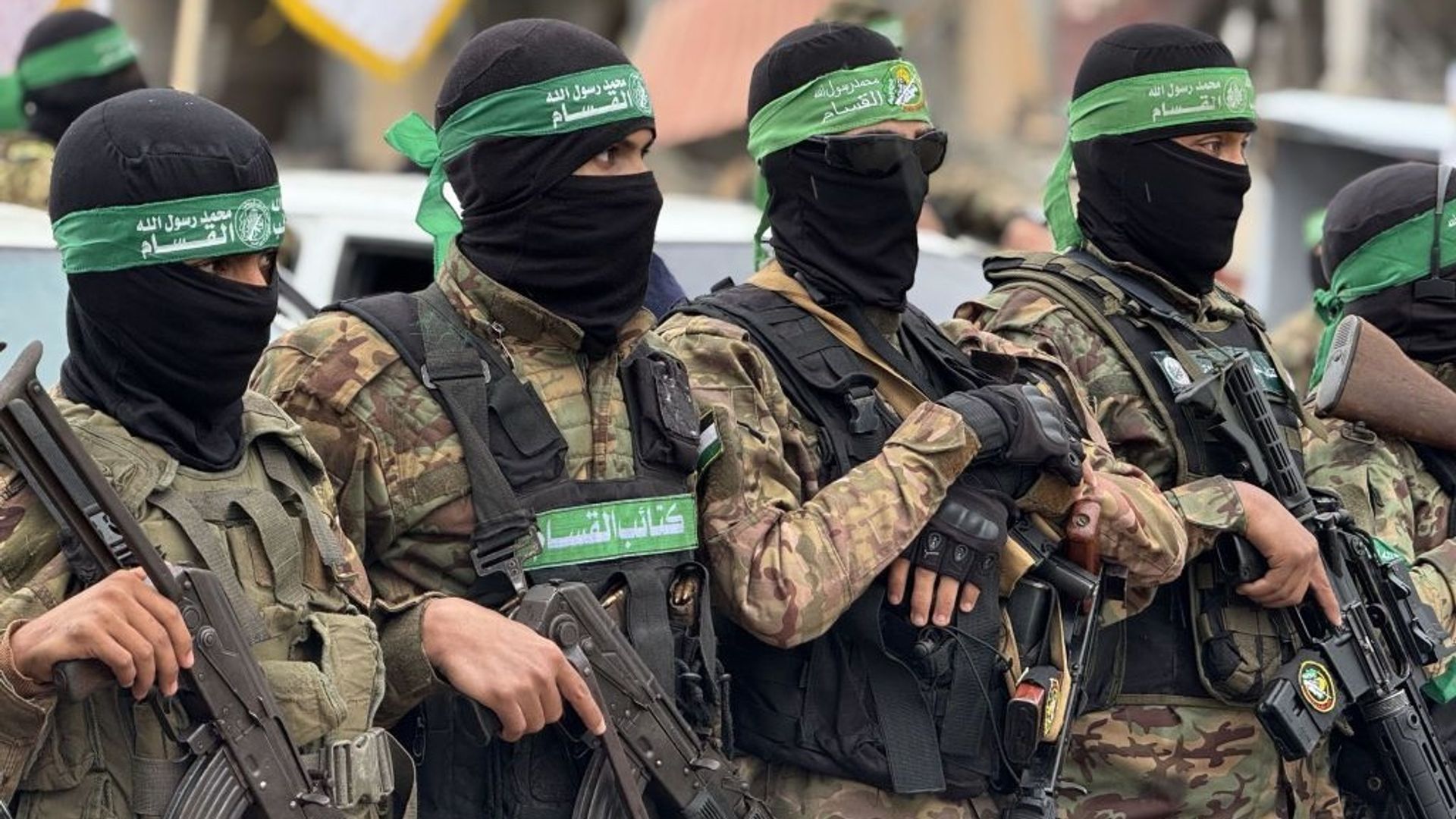
Hamas has announced the dissolution of its administrative government in Gaza to facilitate a transition to a US-backed technocratic committee. The move aims to address the humanitarian crisis, though Israeli officials have dismissed the development as a strategic maneuver.
Hamas announced on Monday, 6 July 2026, the dissolution of the body that has managed the Gaza Strip for nearly two decades. The move aims to facilitate a transition of power to the National Committee for the Administration of Gaza (NCAG), a technocratic governing authority established under a United States-backed peace plan.
Ismaïl al-Thawabta, the general director of the Government Media Office in Gaza, declared at a press briefing in Deir el-Balah that the “government emergency committee” had been dissolved and that its head had resigned. Al-Thawabta characterized the decision as a bid to unblock a deadlocked peace plan, calling upon relevant parties to expedite the NCAG’s entry into the territory to address the humanitarian crisis. According to reports from the press conference, civil service staff and service providers are prepared to continue operations under the new committee.
Related media


The NCAG, which operates under a United Nations mandate and reports to the Board of Peace created by President Donald Trump, maintains a temporary headquarters in Cairo. Its head, Ali Shaath, confirmed the committee’s readiness to assume administrative duties but emphasized that success depends on specific conditions. Shaath stated that the essential requirements for the Committee’s effective functioning include the existence of a single governing authority operating under one legal framework with a clear mandate, and a unified security apparatus accountable to that authority
via Aljazeera.
Reactions and Perspectives
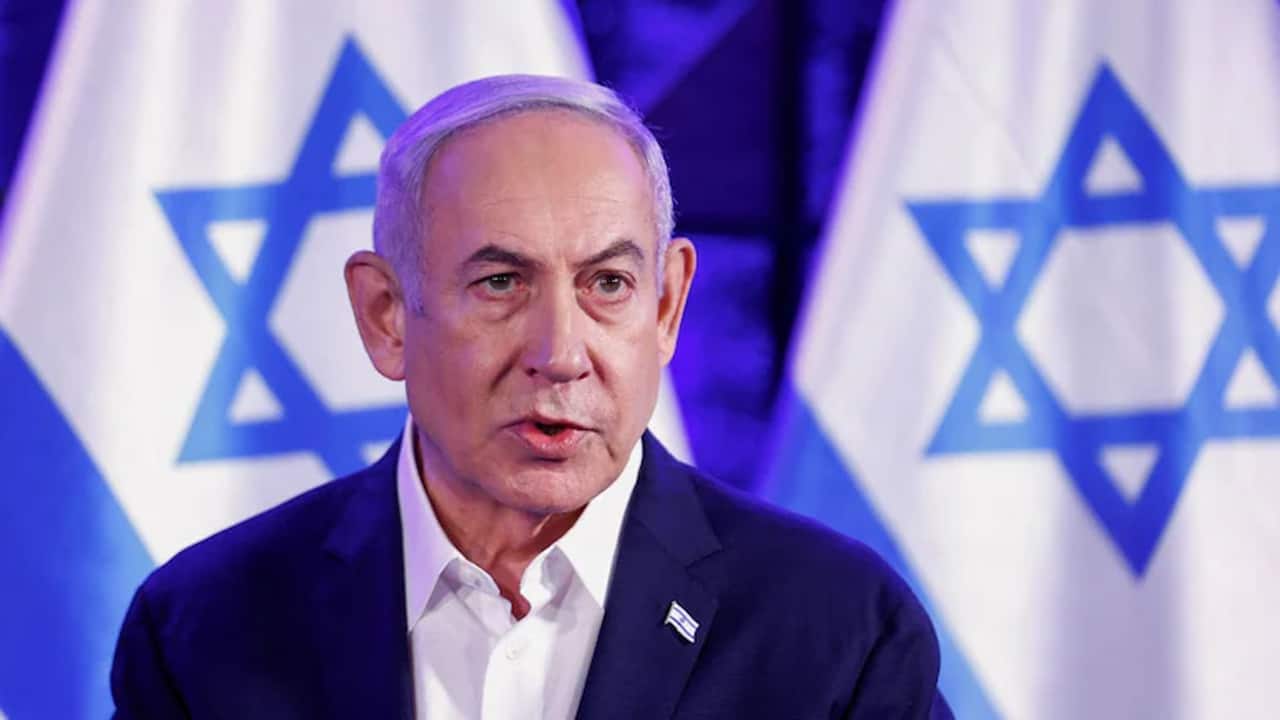
The announcement has met with deep skepticism from Israeli officials. Foreign Minister Gideon Saar described the dissolution as a stunt
and a trick
intended to avoid the disarmament requirements. Saar argued that as long as the militant group retains its weapons, any civilian administration would remain under its de facto control. Israeli leadership has maintained that the conflict’s resolution depends on the complete demilitarization of the Gaza Strip.
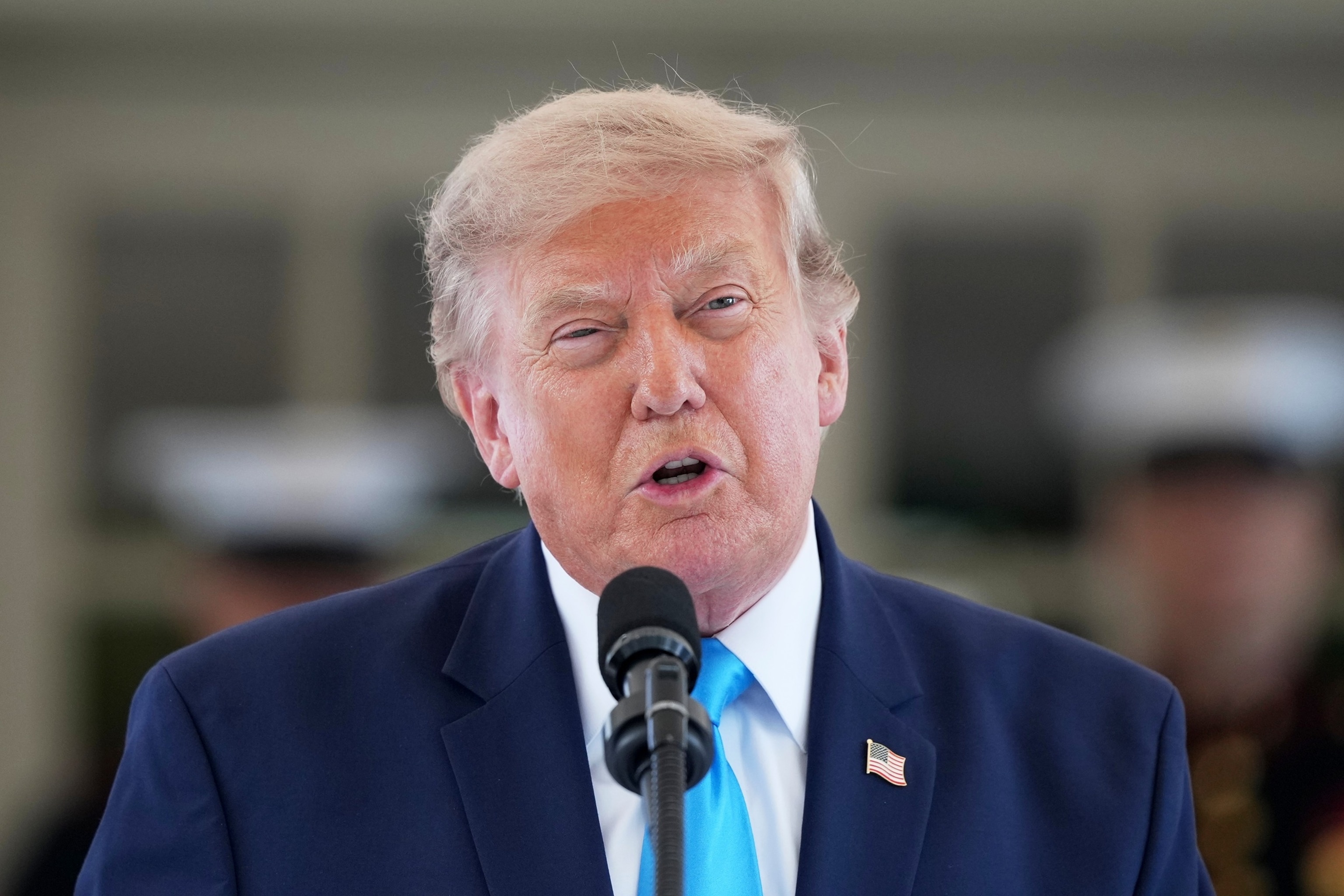
The Board of Peace, chaired by President Trump, noted the announcement but stated that its assessment would be driven by actions, not promises.
The board reiterated the core principle of one authority, one law and one weapon, stressing that the consolidation of all armaments under the NCAG is a prerequisite for the next phase of the peace process.
Analysts offer varying interpretations of the move. Some suggest it is a strategic effort to shift political pressure onto Israel and the international community, while others, such as Andreas Krieg of King’s College London, note that dissolving an administrative body is distinct from surrendering power. Krieg warned that the group’s influence through security networks and infrastructure remains largely unaddressed by the current announcement.
The Humanitarian and Military Context
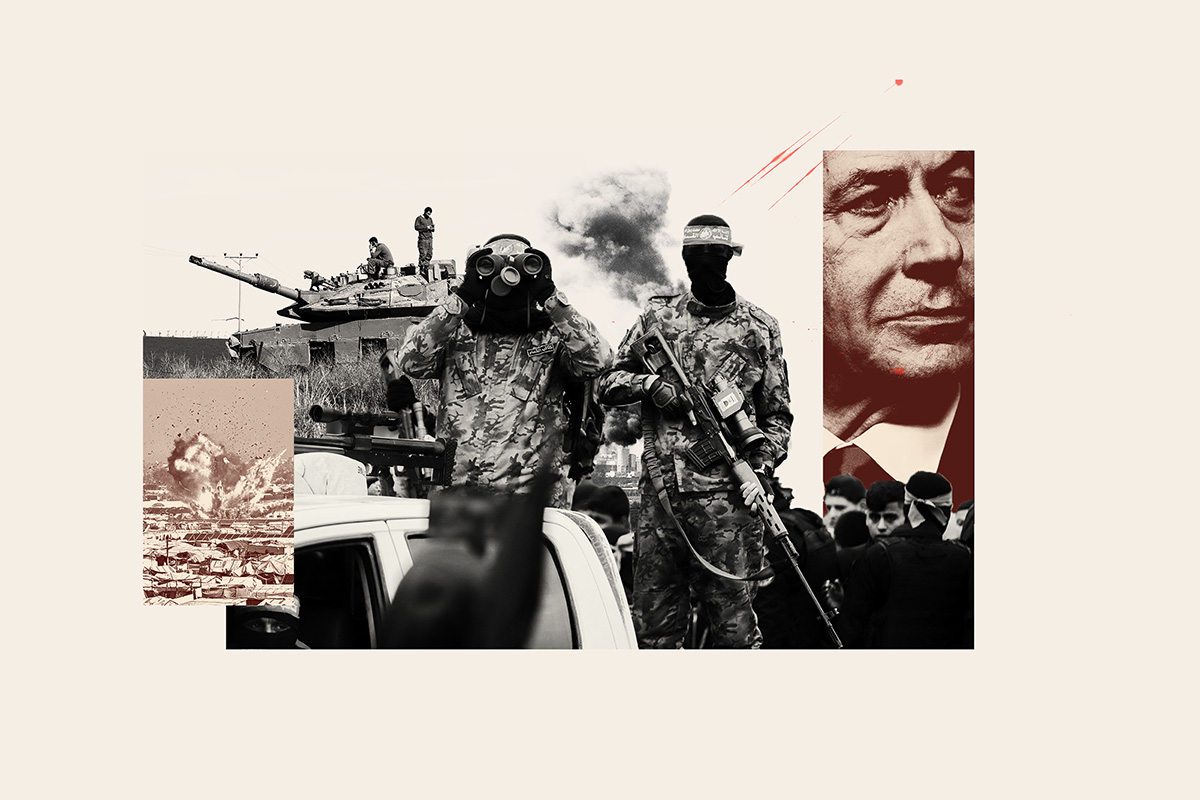
The transition occurs against a backdrop of ongoing violence and a dire humanitarian situation. Since the October 2025 ceasefire, the region has seen continued military strikes.
| Stakeholder | Stated Position on NCAG Transition |
|---|---|
| Hamas | Claims full readiness to transfer civil duties; seeks end to the blockade. |
| Board of Peace | Demands consolidation of all weapons under NCAG authority. |
| Israel | Demands full demilitarization; views the transition as a tactical maneuver. |
| NCAG | Requires a single legal framework and a unified security apparatus to function. |
What to Watch Next
- Entry of the Committee: Observers are waiting to see if Israel will grant permission for the Cairo-based NCAG to enter the Gaza Strip.
- Disarmament Talks: Negotiations regarding the potential handover of weapons or the rehabilitation of police forces into a unified security body remain the primary obstacle to the peace plan's second phase.
- Impact on Daily Governance: Attention will be directed toward whether municipal services, such as health and water, see measurable improvements under the proposed technocratic structure.
How significant is this development?
Contribute your assessment to the aggregated reader intelligence ledger.
Archypedia is dedicated to independent, evidence-backed reporting. This briefing was synthesized from primary source reporting, corroborated across independent newsrooms, and verified against our Editorial Standards.
Transparency record
Evidence behind this report
This report synthesizes 10 distinct sources. Open the source ledger below to compare the underlying coverage.
- nbcnews.com
- ca.news.yahoo.com
- aljazeera.com
- newsweek.com
- thenationalnews.com
- apnews.com
- jurist.org
- yahoo.com
- cbc.ca
- news.abplive.com
Prepared under the Archypedia Editorial Policy by the Samir Haddad editorial desk profile. AI-assisted tools may support drafting and verification; public accountability remains with Archypedia. Report an error.