Infrared imaging system improves at-home skin hydration monitoring
A new diagnostic approach using infrared imaging and temperature-aware algorithms offers a noninvasive way to track skin hydration. This development coincides with the rise of at-home red light therapy, providing a method to objectively verify the efficacy of skincare routines.

Advancements in optical technology are expanding the reach of Health monitoring and dermatological care into the home. A recent study published in APL Photonics highlights a new diagnostic approach that utilizes infrared imaging to assess skin hydration. This development is particularly relevant for managing conditions like atopic dermatitis, where traditional measurement tools often struggle to penetrate beyond the surface of the skin or account for fluctuations in temperature and tissue structure.
According to researchers from institutions including the Chinese Academy of Medical Sciences & Peking Union Medical College, Cardiff University, and the Characteristic Medical Center of Chinese People's Armed Police Force, the new diagnostic system moves away from treating skin as a simple water slab. Instead, the team developed an "optical hydration index." This digital biomarker incorporates temperature-aware algorithms to account for the way water absorption, blood flow, and light scattering change as skin temperature varies. By designing the system to remain stable despite these biological complexities, the researchers have created a more robust, noninvasive tool for tracking skin hydration states over time.
Related media
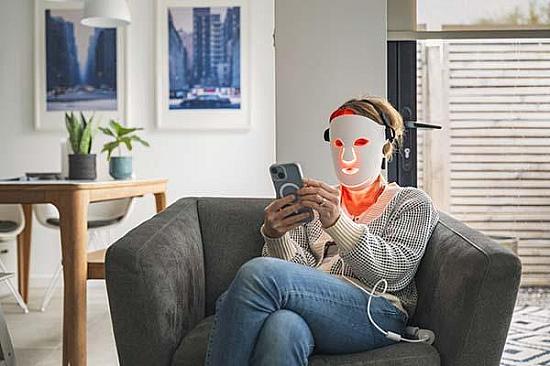
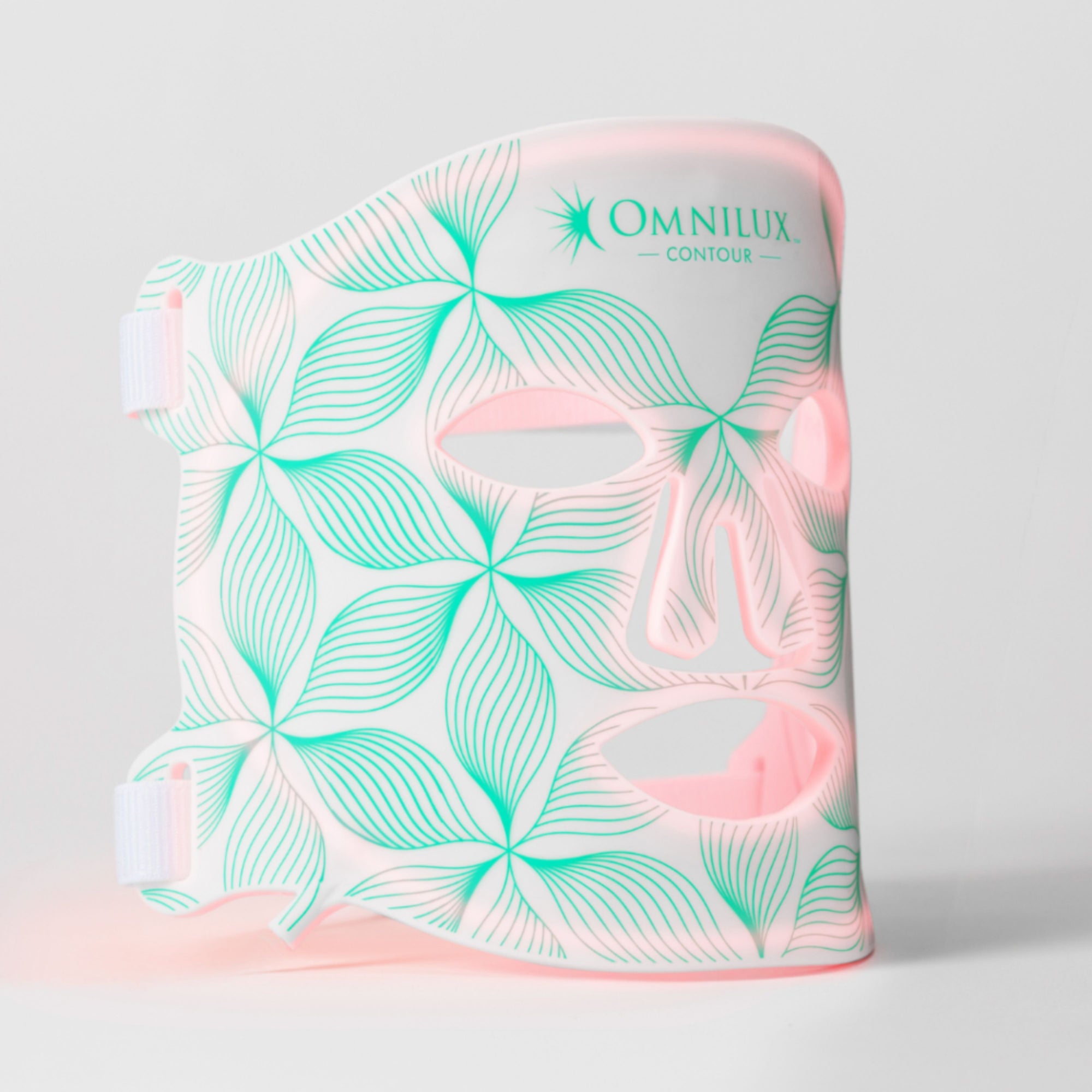

This diagnostic progress coincides with a significant rise in the popularity of at-home photobiomodulation, commonly known as red light therapy. While diagnostic systems focus on capturing data, therapeutic devices use specific wavelengths to influence cellular activity. By targeting the mitochondria within skin cells, these devices aim to stimulate the production of collagen, reduce inflammation, and promotes overall skin rejuvenation.
The marketplace for these devices has grown to include flexible LED masks, full-body panels, and targeted patches. According to practitioners at the Beth Israel Deaconess Medical Center, while the technology was once viewed with skepticism, it is now supported by medical literature as a noninvasive option for addressing signs of skin aging. Dermatologists emphasize that for these therapies to be effective, consistency is essential; clinical results generally require multiple sessions per week over several months.
Despite the therapeutic potential, safety and proper usage remain critical. Experts caution that devices vary widely in intensity and design. Professional-grade systems often provide better control over light dose and intensity compared to consumer-grade products. Furthermore, users are advised to avoid applying occlusive barriers, such as heavy oils or reflective serums, before treatment, as these can interfere with light penetration or potentially cause skin reactions. The use of devices is typically restricted to individuals aged 21 and older, and users are often encouraged to consult with a dermatologist.
Looking ahead, the industry is focusing on three key areas of development:
- Standardized Protocols: Researchers continue to investigate the "optimal dose" of light required for various skin conditions to replace broad, non-specific guidance.
- Enhanced Monitoring: The integration of digital biomarkers, such as the new optical hydration index, may eventually allow users to objectively verify the efficacy of their skincare routines rather than relying solely on visual appearance.
- Regulatory Oversight: As the market expands, buyers are urged to seek products that meet recognized safety standards, such as IEC/EN 62471 for eye safety, and those that have obtained formal clearances, such as from the FDA.
While red light therapy can support skin texture and tone, research indicates it is not a "quick fix." Whether users are managing chronic skin conditions or seeking cosmetic improvements, the move toward home-based photonic technology emphasizes the necessity of informed, consistent, and dermatologist-guided care.
How significant is this development?
Contribute your assessment to the aggregated reader intelligence ledger.
Archypedia is dedicated to independent, evidence-backed reporting. This briefing was synthesized from primary source reporting, corroborated across independent newsrooms, and verified against our Editorial Standards.
Transparency record
Evidence behind this report
This report synthesizes 8 distinct sources. Open the source ledger below to compare the underlying coverage.
- omniluxled.com
- miragenews.com
- health.harvard.edu
- mitoredlight.com
- renusmartbeauty.com
- pmc.ncbi.nlm.nih.gov
- yahoo.com
- frontiersin.org
Prepared under the Archypedia Editorial Policy by the Lina Park editorial desk profile. AI-assisted tools may support drafting and verification; public accountability remains with Archypedia. Report an error.