Rice grown on the Moon?
Global space agencies are developing plasma-based fertilizers and genetically modified rice to overcome the challenges of farming in lunar regolith.
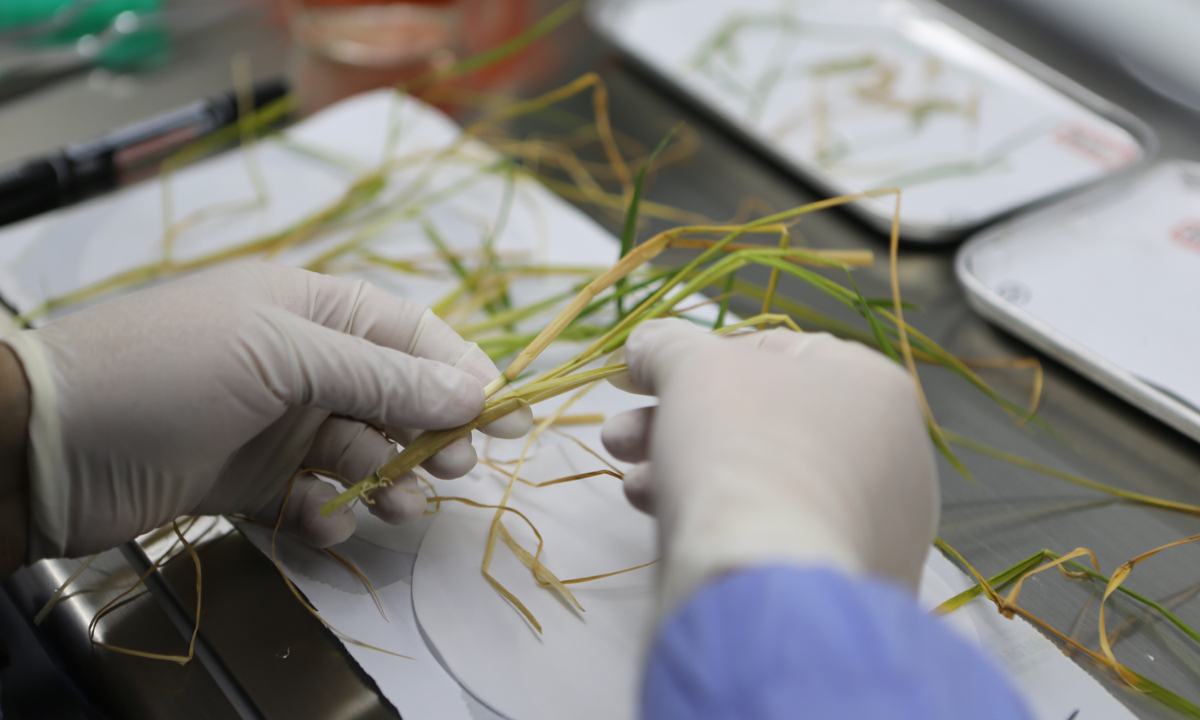
The prospect of sustainable food production for long-term human habitation on the Moon has moved closer to reality through a series of breakthroughs in space agriculture. Scientists are now successfully cultivating rice shoots using simulated lunar soil and developing high-efficiency fertilizer systems designed to overcome the Moon's lack of organic material and essential nitrogen sources.
While lunar regolith — the Moon's rocky, dusty soil — contains virtually no ammonia or nitrate, new research from Tohoku University and the Japan Aerospace Exploration Agency (JAXA) offers a solution via plasma technology. The team developed a portable device that synthesizes dinitrogen pentoxide (N₂O₅) gas from atmospheric air using less than 100 W of electricity. This gas dissolves in water with a dissolution efficiency of nearly 100% to generate nitrate (NO₃⁻).
Related media
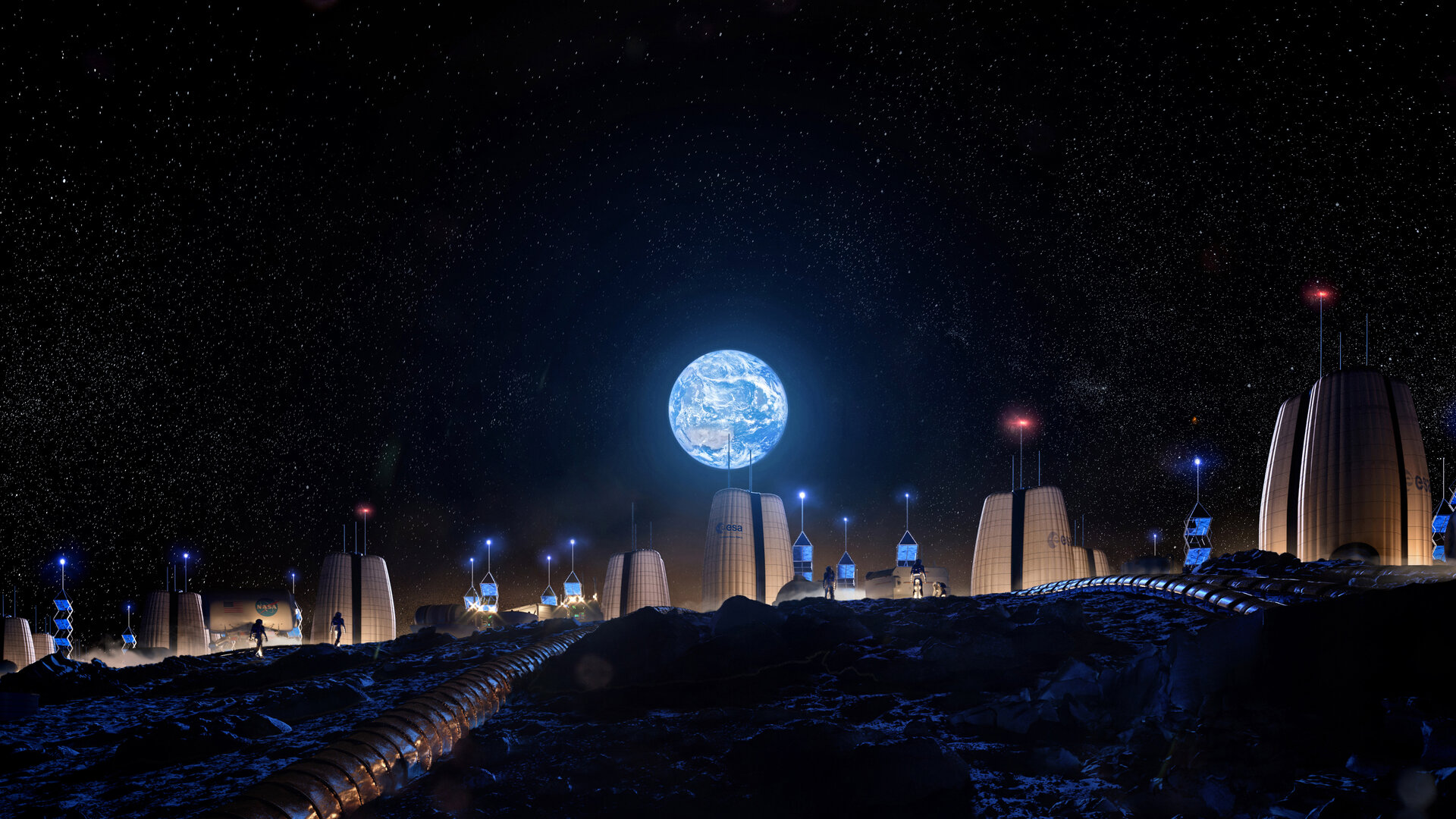

According to Toshiro Kaneko, a professor at Tohoku University's Graduate School of Engineering, this process decouples nitrogen fixation from fossil fuels. When applied to lunar regolith simulants, the N₂O₅-dissolved water neutralized highly alkaline conditions, dropping the pH from 9.09 to 6.76. This shift released trapped mineral nutrients such as potassium, magnesium, and calcium ions for plant absorption while suppressing the elution of toxic aluminum ions (Al³⁺) that typically hinder root development.
Beyond nutrition, the researchers found that spraying the N₂O₅ gas directly onto leaves activates hormone pathways that boost plant immunity. The gas also suppressed internode and stem elongation. This prevents "legginess," a trait that is critical for managing crop structures in low-gravity environments.
Parallel Breakthroughs in Space Farming
Different strategies are emerging globally as agencies prepare for permanent outposts by the 2030s. In Beijing, the China National Space Administration (CNSA) has announced the successful growth of the first healthy rice shoots in simulated lunar conditions at its Lunar Agriculture Research Facility. Unlike the plasma-fertilizer approach, the CNSA experiment utilized a combination of genetic engineering and hybrid systems.
To survive the radiation and nutrient deficiency of the Moon, CNSA scientists developed a dwarf rice variant named Oryza sativa lunaris
. According to geneticist Dr. Elena Petrov of the International Space Agriculture Consortium, genes responsible for stress response were edited to allow the plant to survive conditions that would be lethal to ordinary rice. These plants were grown in a semi-hydroponic setup and placed in centrifuges to simulate the Moon's 1/6th gravity.
Meanwhile, the European Space Agency (Esa) has supported SolSys Mining in exploring the chemical treatment of regolith to create fertilizers. This project focused on extracting nutrients like phosphorus and utilized byproducts from metal oxide extraction to improve sustainability through in-situ resource utilisation (ISRU).
Malgorzata Holynska, the Esa lead on the project, noted that while the results are promising, future missions must consider that astronauts will still need to bring some reactants to start these processes and will need to optimize mineral concentrations.
Comparative Approaches to Lunar Agriculture
| Entity | Primary Method | Key Innovation | Target Crop |
|---|---|---|---|
| Tohoku University / JAXA | Plasma Synthesis | Low-power N₂O₅ gas production | Rice seedlings |
| CNSA | Bioengineering / Hybrid | Oryza sativa lunaris variant | Rice shoots |
| ESA / SolSys Mining | Chemical Extraction | ISRU-based nutrient recovery | General plants |
| NASA | Lunar FarmOne | Private sector collaboration | Potatoes |
Environmental Impact and Ethics
The technology developed for the Moon may have immediate applications on Earth. Professor Kaneko suggests the low-power plasma fertilizer can reduce environmental burdens in terrestrial agriculture. Similarly, Dr. Hiroshi Tanaka of the UN Food and Agriculture Organization stated that water-saving systems designed for lunar farms could help address global food insecurity in drought-stricken regions and deserts.
However, the push toward extraterrestrial farming is not without controversy. Dr. Maria Kowalski of the Outer Space Treaty Compliance Board has warned about the necessity of preventing the contamination of the Moon with Earth-based microbes. Ethical debates also persist regarding the use of genetic modification in space.
What to Watch Next
- Chang’e-8 Mission (2026): China plans to send a miniaturized greenhouse module to test rice growth directly on the lunar surface.
- First Lunar Harvest (2028): CNSA spokesperson Li Ming indicated this as the potential target for the first actual lunar harvest.
How significant is this development?
Contribute your assessment to the aggregated reader intelligence ledger.
Archypedia is dedicated to independent, evidence-backed reporting. This briefing was synthesized from primary source reporting, corroborated across independent newsrooms, and verified against our Editorial Standards.
Transparency record
Evidence behind this report
This report synthesizes 6 distinct sources. Open the source ledger below to compare the underlying coverage.
Prepared under the Archypedia Editorial Policy by the Niko Vale editorial desk profile. AI-assisted tools may support drafting and verification; public accountability remains with Archypedia. Report an error.