University of Minnesota scientists create first synthetic SpudCell
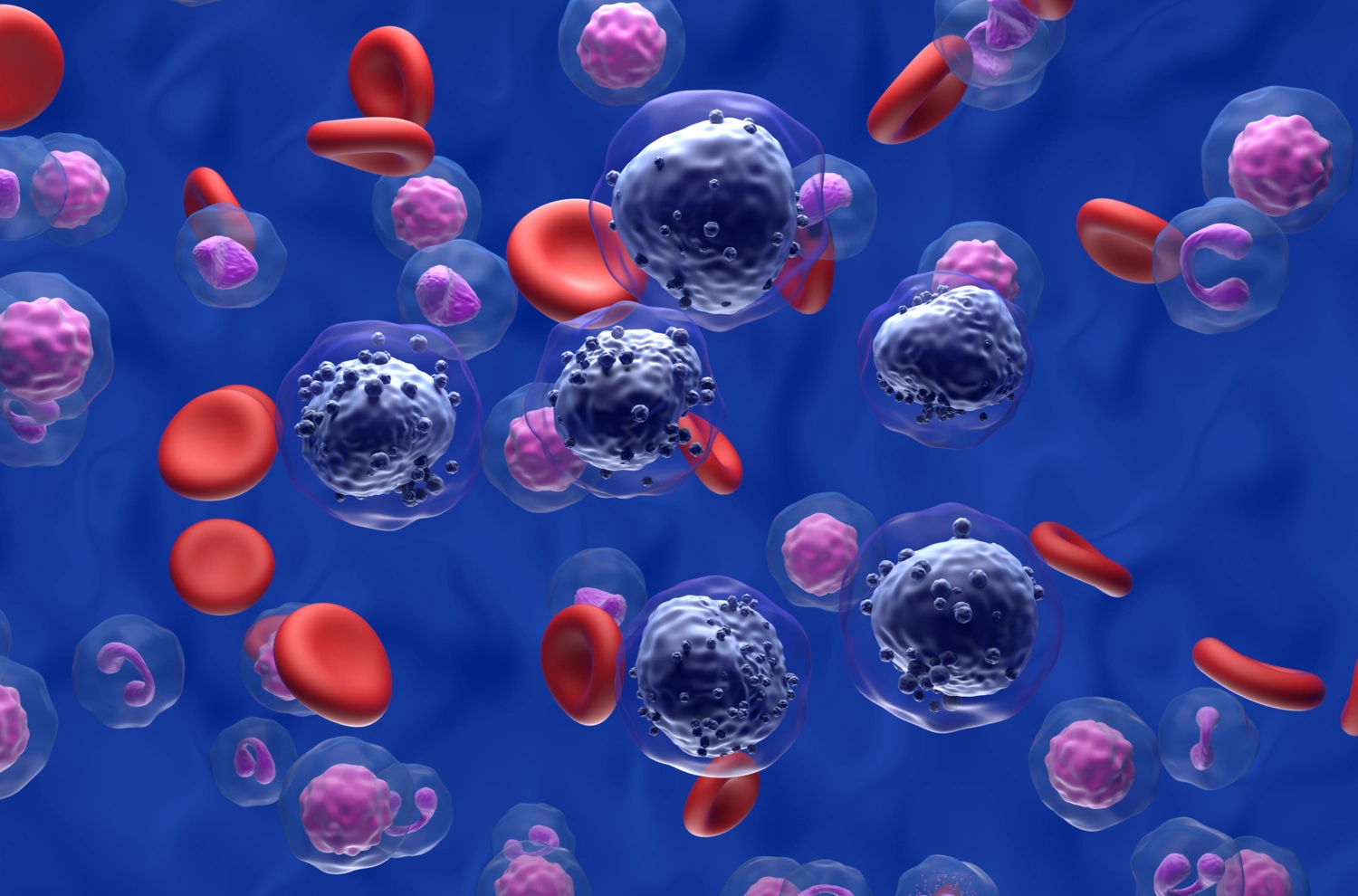
University of Minnesota researchers have developed SpudCell, a synthetic construct that performs fundamental biological processes like growth and replication. This bottom-up engineering effort provides a platform for studying the threshold between inanimate matter and biological behavior.
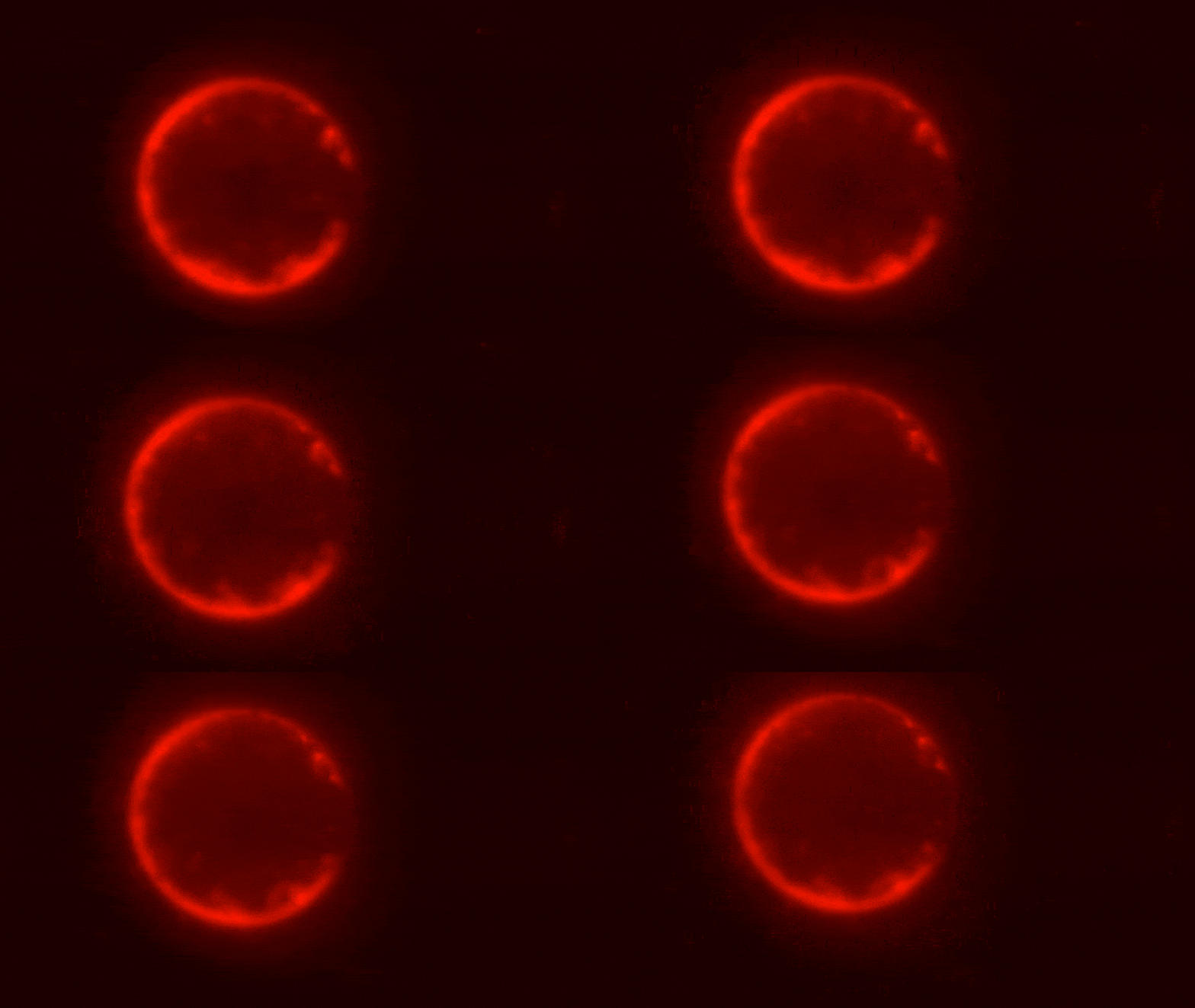
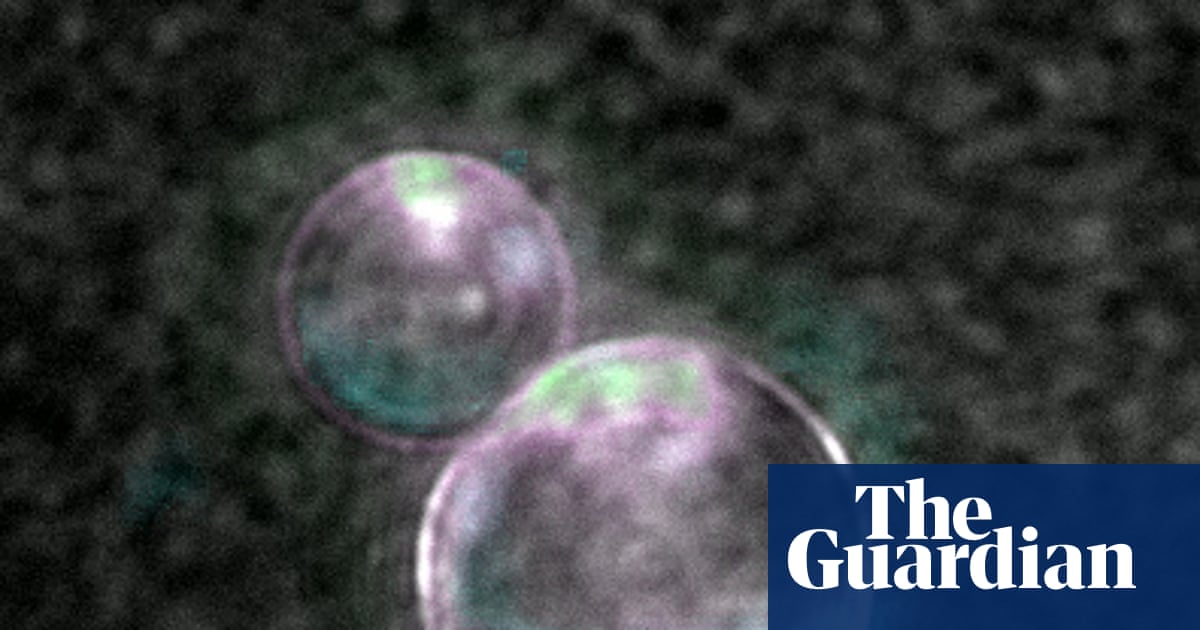
University of Minnesota researchers have achieved a landmark in synthetic biology by creating a synthetic cell capable of performing the fundamental cycle of life: feeding, growing, replicating its own DNA, and dividing. Known as SpudCell, the construct is built entirely from non-living chemical components, providing scientists with a new platform to examine the threshold where inanimate matter begins to exhibit behaviors traditionally associated with biological organisms.
The research, led by Associate Professor Kate Adamala and Aaron Engelhart, marks an evolution in synthetic biology, moving away from modifying existing bacterial genomes toward a bottom-up approach. According to Adamala, who serves as a co-lead on the project, the work demonstrates that core life functions like growth and replication do not necessitate a "mysterious magical spark" but can be achieved through chemical engineering. The findings were shared on the website of a newly formed non-profit, Biotic, and a paper was subsequently posted to the preprint site biorxiv.org on 2 July 2026.
Related YouTube video
Anatomy of the SpudCell
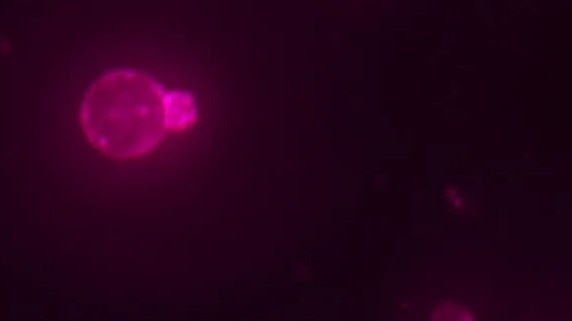
The SpudCell is designed as a modular system, allowing researchers to program specific functions. Its structure consists of a liposome — a sphere of fatty lipids mimicking a natural cell membrane — containing seven plasmids that form a 90 kilobase pair (kbp) genome. This genome is significantly smaller than the human genome, which spans approximately 3 million kbp, and operates using a 36-gene blueprint.
Unlike natural cells, which rely on internal scaffolding known as a cytoskeleton to divide, the SpudCell utilizes a different mechanism. The researchers engineered the membrane to attract proteins that congregate and create mechanical stress, causing the membrane to pinch and split. To sustain these processes, the cell consumes nutrients and "feeder" liposomes supplied in its surrounding liquid medium, which provide essential ribosomes and enzymes the synthetic cell cannot yet produce itself.
Scientific Perspectives and Limitations
The project has drawn significant attention from the scientific community as a "proof of principle." Jack Szostak of the University of Chicago described it as an "impressive step," noting that it represents the most advanced effort to assemble an artificial cell from biological components to date. Similarly, Tom Ellis of Imperial College London characterized the work as one of the field's most significant recent breakthroughs.
However, the research team and outside experts acknowledge that the SpudCell is not "alive" by conventional standards. The cell is highly dependent on external, pre-made components, lacks a robust waste-management system, and ceases to function after roughly five rounds of division. Because the division process is not perfectly precise, daughter cells occasionally receive an incomplete set of DNA.
John Dupré of the University of Exeter raised questions regarding the practical utility of the project, suggesting that modifying natural bacterial cells might remain more efficient for industrial applications such as drug or fuel production. He also emphasized that the "relational aspect" of life, the symbiotic nature of living organisms, remains absent in these synthetic constructs.
What to Watch Next
The research team intends to focus on several key objectives in the coming years to refine the SpudCell chassis:
- Structural Integrity: Researchers aim to incorporate a cytoskeleton to facilitate more robust and efficient cell division.
- Metabolic Autonomy: Future development will focus on enabling the cell to produce its own protein-making machinery, such as ribosomes, to reduce reliance on external supplies.
- Genome Consolidation: Efforts are underway to merge the seven separate DNA plasmids into a single, more stable genome.
- Collaborative Infrastructure: Through the organization Biotic, the team plans to establish open-source standards for synthetic cell components, allowing global laboratories to share modular parts and protocols.
As the scientific community scrutinizes the preprint data, the team's goal remains long-term: building an operating system for life that could eventually support the production of sustainable materials, chemicals, and medicines without the high energy costs and limitations associated with industrial chemistry or natural organism modification.
How significant is this development?
Contribute your assessment to the aggregated reader intelligence ledger.
Archypedia is dedicated to independent, evidence-backed reporting. This briefing was synthesized from primary source reporting, corroborated across independent newsrooms, and verified against our Editorial Standards.
Transparency record
Evidence behind this report
This report synthesizes 7 distinct sources. Open the source ledger below to compare the underlying coverage.
- quantamagazine.org
- cbsnews.com
- sciencealert.com
- businesstoday.in
- theguardian.com
- aol.com
- in.mashable.com
Prepared under the Archypedia Editorial Policy by the Niko Vale editorial desk profile. AI-assisted tools may support drafting and verification; public accountability remains with Archypedia. Report an error.