Tibetan activist dies after self-immolation outside UN headquarters in NYC
A man died after setting himself on fire outside the United Nations headquarters in New York City. The event occurred amid long-standing tensions regarding Chinese governance in Tibet.

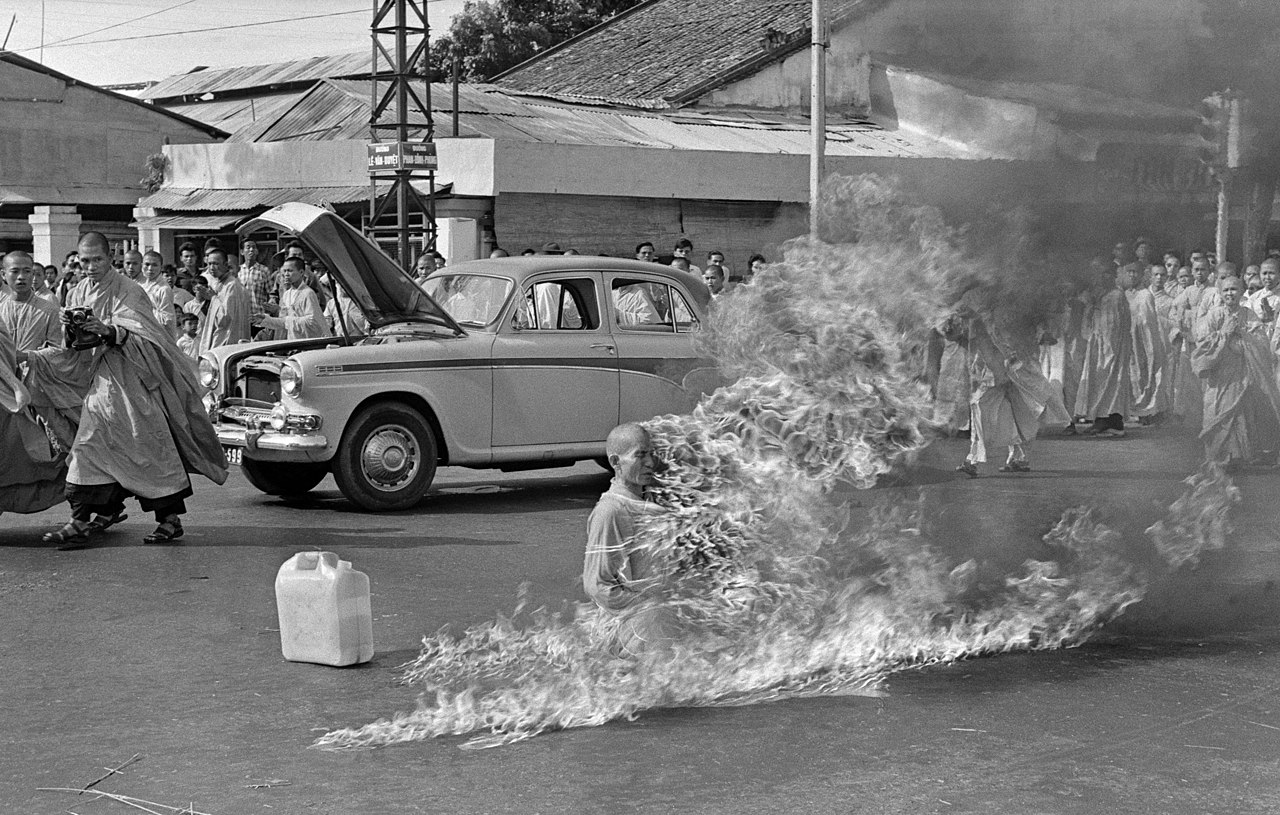
A man died after setting himself on fire outside the United Nations headquarters in New York City on Thursday. The incident occurred near East 43rd Street and First Avenue. Law enforcement officials received an emergency call at approximately 6:30 p.m. ET. Upon arrival, officers and security personnel discovered the man suffering from severe burns. He was transported to Bellevue Hospital, where he was pronounced dead.
While the New York Police Department has not officially released the man's identity, activists and media outlets serving the Tibetan exile community, including Voice of Tibet, have identified him as Lobga Rangzen. Reports indicate that Rangzen, who worked as an Uber driver, arrived at the site with a Tibetan flag. Surveillance footage shows him planting a Tibetan flag on the sidewalk before igniting himself. First responders extinguished the flames within approximately 15 seconds. Authorities recovered materials from the scene, including at least one sign bearing the slogan CHINA OUT OF TIBET
.
Related media


Lobsang Paljor, a fellow driver who knew Rangzen through the local Tibetan community, described him as a peaceful individual who was deeply distressed by restrictions imposed by the Chinese government. According to Voice of Tibet, Rangzen had conducted a live appeal for Tibetan independence and unity prior to the act.
The incident occurred against a backdrop of intensified international scrutiny regarding Chinese policies. The United States and the European Union have expressed concern about China's new ethnic unity law, which went into effect this week and gives Beijing the legal basis to take action against people outside its borders. The law creates a "shared" national identity among the country's 55 ethnic minority groups, including Tibetans and Uyghurs, some of whom chafe under Chinese governance. China maintains that Tibet has been an inalienable part of its territory for centuries, having asserted control over the region in 1950, which Beijing characterizes as a peaceful liberation
from feudalistic serfdom.
The United Nations stated that the incident occurred after the conclusion of all scheduled daily meetings, and operations remained unaffected. During a news conference on Friday, Chinese foreign ministry spokesperson Guo Jiakun addressed the event, stating that Beijing believes relevant countries will handle the matter in accordance with domestic laws.
Tencho Gyatso, president of the International Campaign for Tibet, described Rangzen as a tireless advocate for Tibet
and said she was deeply saddened
by his death. The event adds to a long history of self-immolation as a form of political protest. According to data maintained by the International Campaign for Tibet, more than 150 such acts by Tibetans have been documented between 2009 and 2022. The organization reports that 10 self-immolations by Tibetans have occurred while individuals were in exile.
Context of Tibetan Protest
- Historical Status: Prior to the mid-20th century, Tibet functioned with de facto autonomy. The 1951 Seventeen Point Agreement marked the period when the Chinese Communist Party began governing the region.
- Diplomatic Standoff: China does not recognize the Central Tibetan Administration, the government-in-exile based in India, and has not engaged in formal dialogue with the Dalai Lama’s representatives since 2010.
- Patterns of Protest: Historical acts of self-immolation among Tibetans are often accompanied by calls for the restoration of Tibetan independence, the return of the Dalai Lama, the release of the Panchen Lama, and demands for greater human rights.
Investigation into the incident remains ongoing. Authorities have not publicly identified a motive.
If you or someone you know is in crisis, the national suicide and crisis lifeline in the U.S. Is available by calling or texting 988.
How significant is this development?
Contribute your assessment to the aggregated reader intelligence ledger.
Archypedia is dedicated to independent, evidence-backed reporting. This briefing was synthesized from primary source reporting, corroborated across independent newsrooms, and verified against our Editorial Standards.
Transparency record
Evidence behind this report
This report synthesizes 10 distinct sources. Open the source ledger below to compare the underlying coverage.
- news.abplive.com
- usatoday.com
- abcnews.com
- timesnownews.com
- apnews.com
- en.wikipedia.org
- voanews.com
- theguardian.com
- nypost.com
- tribtoday.com
Prepared under the Archypedia Editorial Policy by the Samir Haddad editorial desk profile. AI-assisted tools may support drafting and verification; public accountability remains with Archypedia. Report an error.