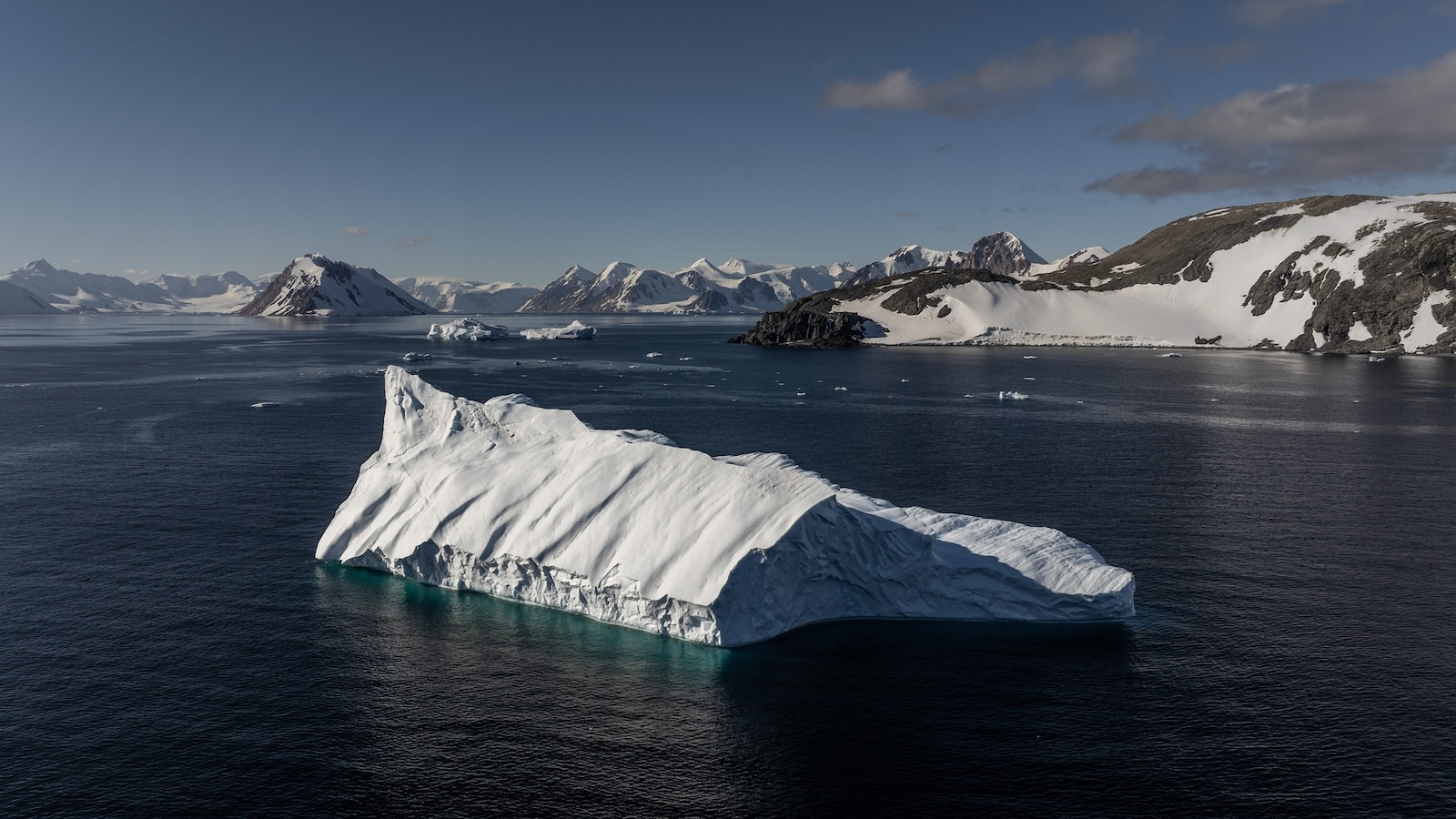
Arctic microbes frequently swap genes to adapt to thawing permafrost soils
New research indicates that Arctic soil microbes respond to thawing through staggered activation sequences and extensive genetic exchange. These biological dynamics significantly influence the decomposition of organic matter and greenhouse gas emissions.

The Arctic landscape, often perceived as a static, frozen expanse, is undergoing a profound biological transformation. As regional temperatures rise and permafrost thaws for extended periods, the hidden microbial communities beneath the surface are not simply "waking up" in unison. New evidence indicates that this process is highly complex, governed by staggered activation times, predator-prey relationships, and a rapid, large-scale exchange of genetic information.
A Staggered Awakening
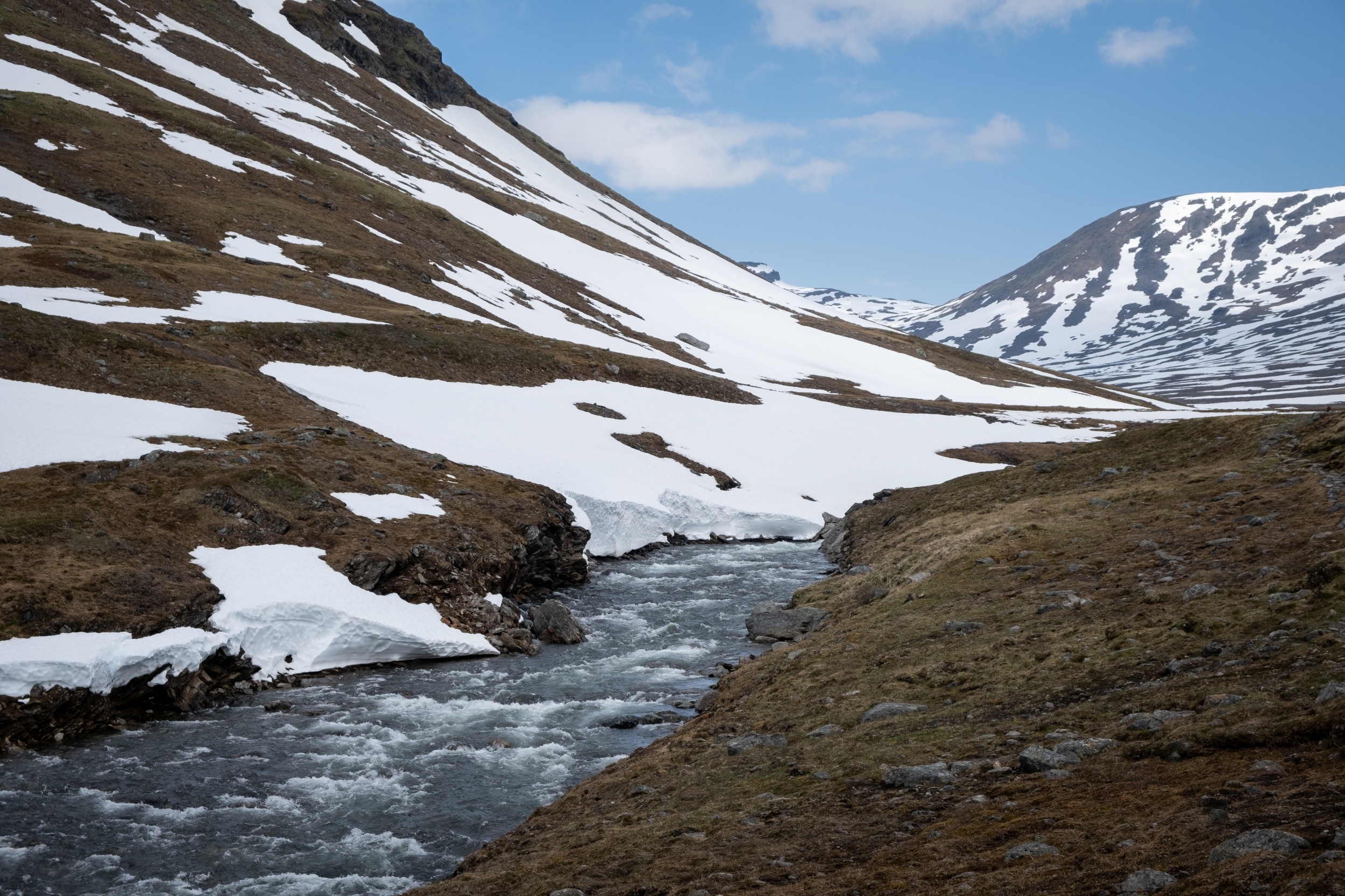
Traditional climate models have often assumed that rising temperatures act as a uniform "on" switch for dormant microbial life. However, recent studies, including those published in mSystems, demonstrate that even after months of thaw, roughly half of the microorganisms in High Arctic soils remain dormant. Researchers who analyzed soil samples from the Svalbard archipelago found that instead of a simultaneous revival, the ecosystem responds in a sequence. While some microbes activate within days, others require several weeks, and a significant portion does not respond to temperature changes at all, suggesting that factors like nutrient availability and specific environmental signals are just as critical as warmth.
Related media

This staggered response has direct implications for greenhouse gas dynamics. Observations in Svalbard revealed that methane-oxidizing microbes, which can help regulate emissions, only become active after prolonged periods of thaw. Consequently, the later stages of the thaw season may play a more significant role in controlling net methane fluxes than previously understood.
Genetic Hitchhikers and Microbial Adaptation
While the timing of activity shifts, the microbes themselves are actively rewriting their genetic potential. A study of peatland soils near the Arctic Circle, published in Nature Microbiology, identified approximately 2.1 million mobile genetic elements. These elements enable microbes to swap, gain, and lose DNA with high frequency, a process that researchers describe as a survival gamble. By acquiring these "hitchhiker" DNA sequences, microbial populations can rapidly sample new functional traits.
Unlike previous research, which primarily highlighted the movement of antibiotic resistance genes, these new findings suggest that such gene-swapping frequently targets everyday cellular processes — the fundamental functions required for a microbe to survive in an evolving environment. Sarah Bagby, assistant professor of biology at Case Western Reserve University, noted that microbial communities are constantly sampling new combinations of genes. This provides a mechanism for success in a population where many individuals may otherwise fail to adapt to the changing soil conditions.
Ecosystem Dynamics and Feedback Loops
The thawing process is also fostering the development of complex underground food webs. Scientists have identified the presence of predatory and epibiotic bacteria that feed on or grow attached to other microorganisms. These predator-prey interactions emerge alongside the thaw, suggesting that the soil is transitioning from a dormant state into an active, evolving ecosystem. This internal consumption can influence which populations persist and how nutrients are recycled within the peatland.
These microbial shifts are particularly significant because Arctic soils store nearly one-third of the world’s soil carbon. As microbes "wake up," they consume organic matter, converting it into carbon dioxide and methane. This decomposition process creates a climate feedback loop, where warming encourages microbial activity, which in turn releases greenhouse gases.
The complexity of these interactions — from the specific timing of microbial activation to the wide-scale shuffling of genetic material, suggests that current climate models require greater nuance. Research conducted by international collaborations, including the U.S. Department of Energy and the EMERGE Biology Integration Institute, emphasizes that accurately predicting the future trajectory of Arctic carbon emissions requires understanding these biological dynamics.
How significant is this development?
Contribute your assessment to the aggregated reader intelligence ledger.
Archypedia is dedicated to independent, evidence-backed reporting. This briefing was synthesized from primary source reporting, corroborated across independent newsrooms, and verified against our Editorial Standards.
Transparency record
Evidence behind this report
This report synthesizes 11 distinct sources. Open the source ledger below to compare the underlying coverage.
- miragenews.com
- brightsurf.com
- eurekalert.org
- qmul.ac.uk
- yahoo.com
- news.sustainability-directory.com
- newsbreak.com
- earth.com
- frontiersin.org
- seresearch.qmul.ac.uk
- alaska-native-news.com
Prepared under the Archypedia Editorial Policy by the Niko Vale editorial desk profile. AI-assisted tools may support drafting and verification; public accountability remains with Archypedia. Report an error.