Hayabusa2 spacecraft to perform ultra-close flyby of asteroid on July 5
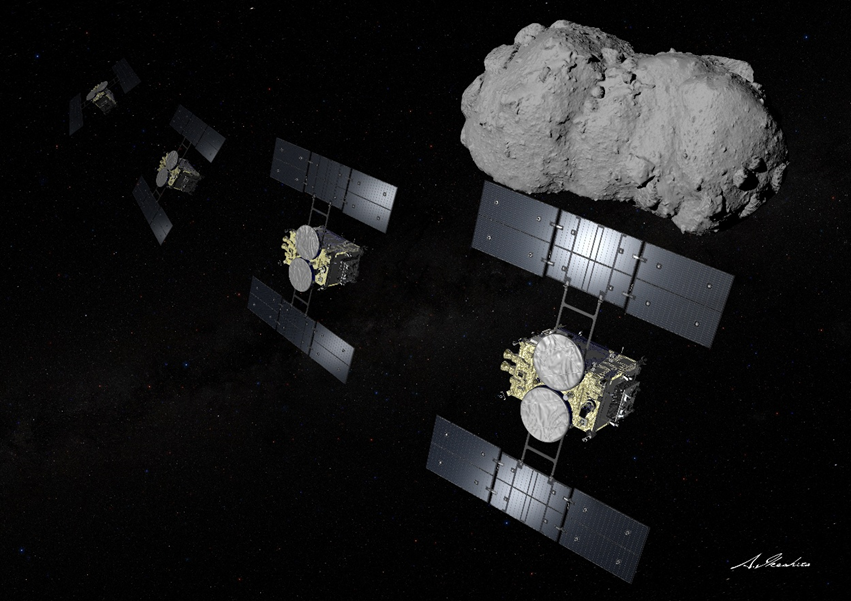
The Hayabusa2 spacecraft is scheduled for a high-speed, ultra-close flyby of asteroid Torifune on 5 July 2026. This mission extension serves as a test for rapid reconnaissance capabilities essential for future planetary defense.
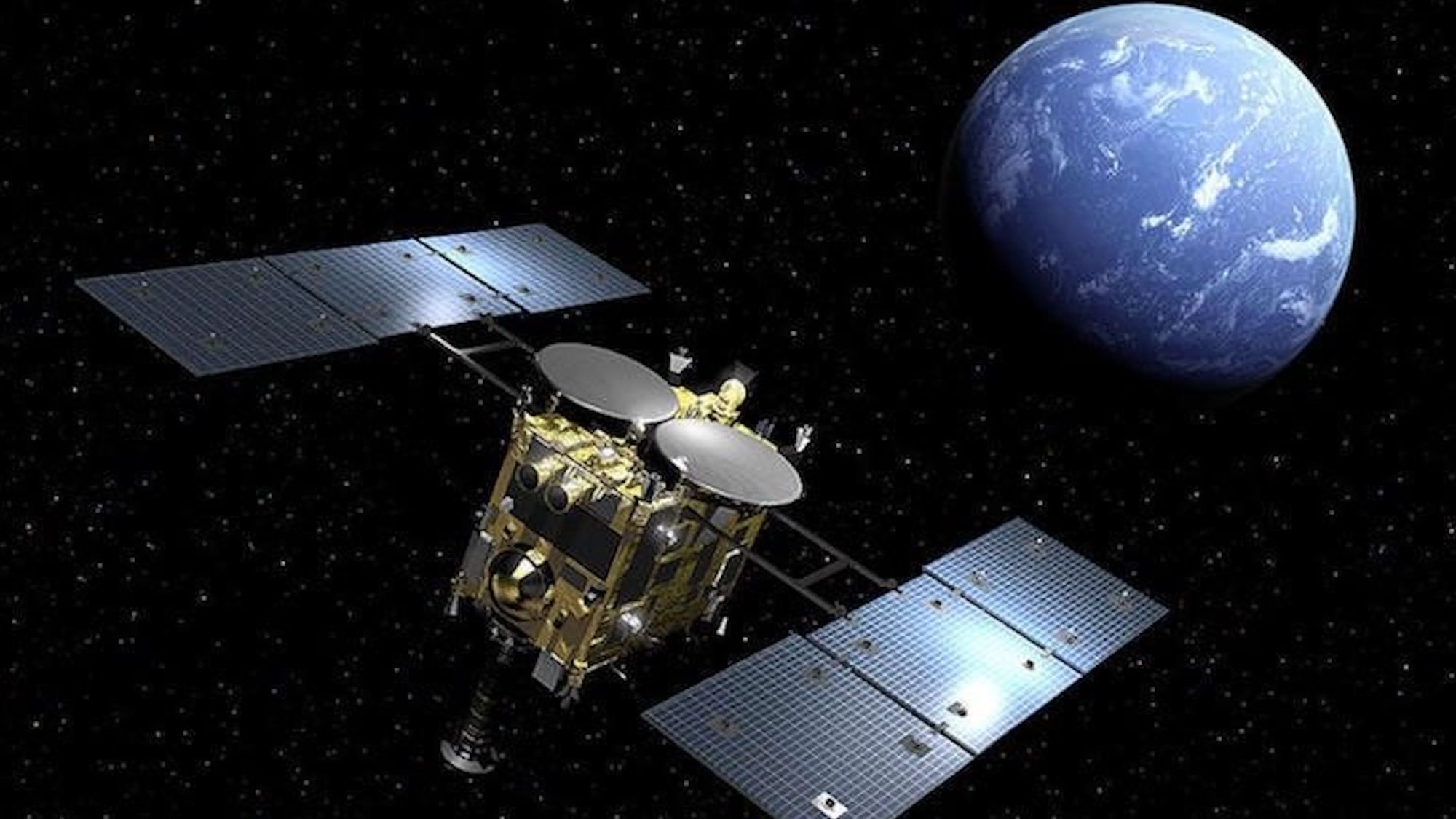
Japan’s Hayabusa2 sample-return spacecraft is scheduled to execute an ultra-close flyby of the near-Earth asteroid Torifune on 5 July 2026. This high-speed maneuver serves as a significant extension to a mission that previously successfully delivered surface samples from the asteroid Ryugu to Earth in 2020. According to Satoshi Tanaka of the Japan Aerospace Exploration Agency (JAXA), speaking at the 35th Meeting of the NASA Small Bodies Assessment Group on 11 June, the probe remains in good health despite a brief period spent in protective safe mode during the previous year.
The upcoming operation will bring the spacecraft within 1 to 10 kilometers of the asteroid's center while traveling at a relative speed of 5.3 kilometers per second. Mission planners are targeting an approach distance of approximately 1 kilometer. Tanaka described the effort as a major engineering feat:
Related media

"This is one of the closest asteroid encounters ever attempted by a mission of this class. By combining advanced navigation techniques and the engineering capabilities of Hayabusa2, we have made it possible to achieve a flyby at a distance of only about 1 kilometer."
Satoshi Tanaka, JAXA, via Space.com
Scientific Objectives and Risks
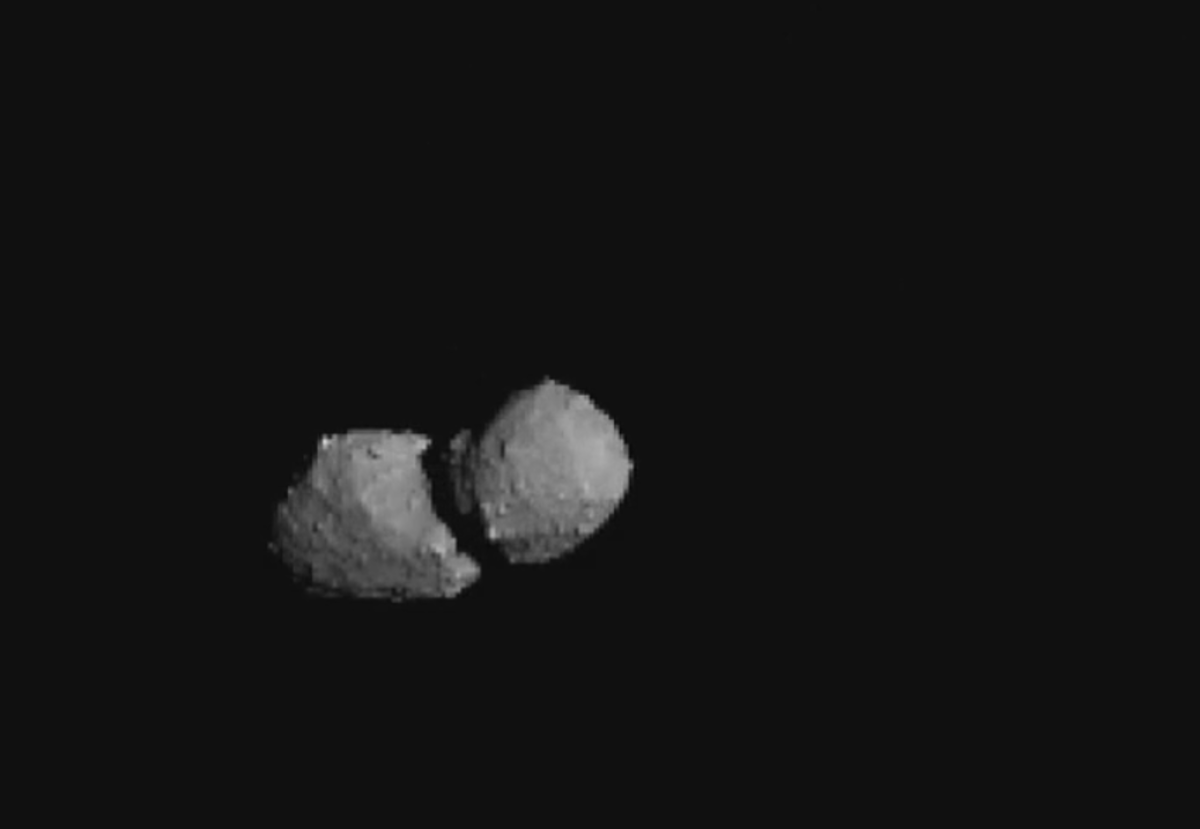
Torifune, historically designated 2001 CC21, is estimated to be approximately 450 meters in diameter. It is classified as an Sq-type asteroid, though researchers acknowledge that its physical characteristics remain largely unknown. Patrick Michel, a member of the Hayabusa2 science team and principal investigator for the European Space Agency’s Hera mission, described the flyby as a high-stakes endeavor due to the lack of original mission planning for such an encounter:
"It's still a risky operation, because they had not planned for this. The second thing is that we have a high uncertainty on the size of the object."
Patrick Michel, Hera Principal Investigator, via Space.com
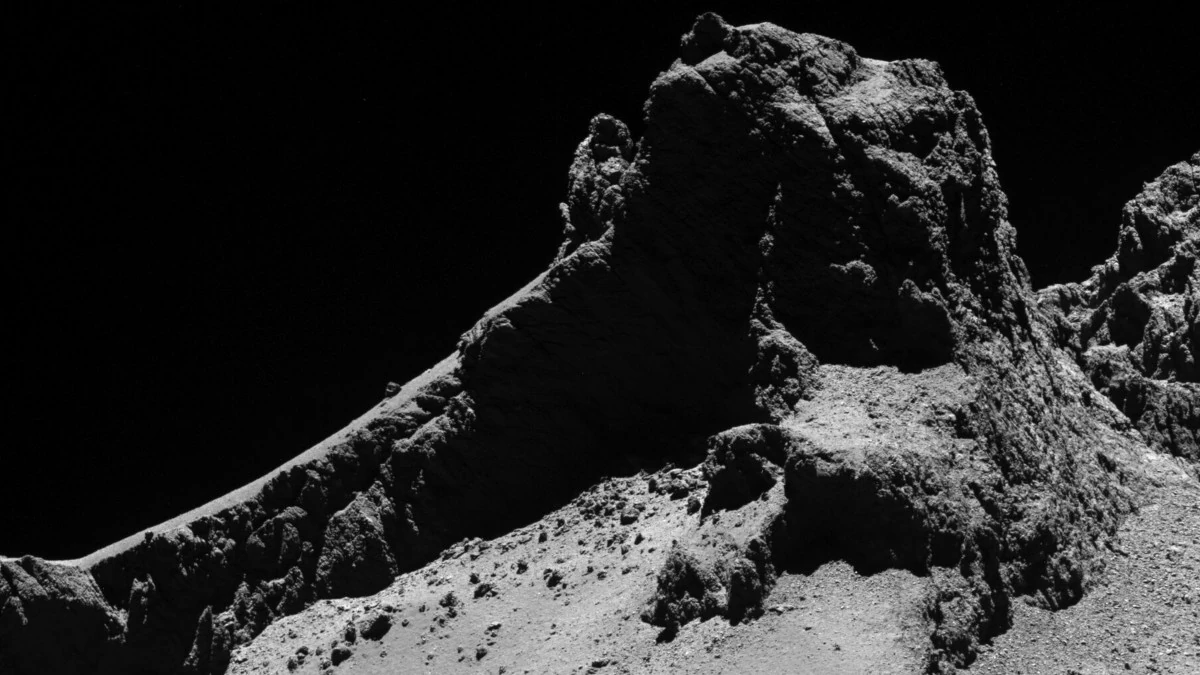
Michel noted the possibility that Torifune could be a contact binary, a configuration where two distinct bodies have joined at low relative velocities, similar to the structures of the Kuiper belt object Arrokoth or comet 67P/Churyumov–Gerasimenko. Because Hayabusa2 was primarily designed for rendezvous operations rather than high-speed flybys, the probe’s instrumentation is not optimized for rapid-pass imaging. Consequently, the spacecraft will rely on pre-planned pointing with limited opportunity for real-time adjustments. Data collection will prioritize the inbound phase of the encounter.
Planetary Defense and Engineering Tests
Beyond basic scientific inquiry, JAXA officials are using this flyby as a practical demonstration of rapid reconnaissance capabilities. This technology is viewed as essential for planetary defense, specifically for characterizing asteroids that may be identified as potential threats to Earth with little advanced warning. This approach complements kinetic impact strategies, such as those verified by NASA’s DART mission in 2022.
Mission Timeline
The Hayabusa2 mission continues to operate as an extended campaign following its primary return phase on 6 December 2020. The spacecraft has conducted observations of exoplanets and zodiacal light during its cruise phase. The mission's long-term goal is a 2031 rendezvous with the asteroid 1998 KY26, an object approximately 11 meters in diameter.
| Event | Date |
|---|---|
| Torifune Flyby | 5 July 2026 |
| Earth Swing-by | December 2027 |
| Earth Swing-by | June 2028 |
| 1998 KY26 Rendezvous | 2031 |
As the spacecraft approaches the encounter, the team is balancing the goal of high-resolution characterization of Torifune’s shape and thermal properties with the necessity of maintaining safety given the uncertainties regarding the asteroid's rotation and surface features.
How significant is this development?
Contribute your assessment to the aggregated reader intelligence ledger.
Archypedia is dedicated to independent, evidence-backed reporting. This briefing was synthesized from primary source reporting, corroborated across independent newsrooms, and verified against our Editorial Standards.
Transparency record
Evidence behind this report
This report synthesizes 8 distinct sources. Open the source ledger below to compare the underlying coverage.
- space.com
- europesays.com
- watchers.news
- jp.ibtimes.com
- wn373.blogspot.com
- yahoo.com
- futurism.com
- outerspacetoday.ghost.io
Prepared under the Archypedia Editorial Policy by the Niko Vale editorial desk profile. AI-assisted tools may support drafting and verification; public accountability remains with Archypedia. Report an error.