
Science
Human activities compromise coral health and resilience
A new study reveals that agricultural, industrial, and pharmaceutical pollutants are accumulating in coral tissues, reducing their energy and nutrient reserves.
A new study reveals that agricultural, industrial, and pharmaceutical pollutants are accumulating in coral tissues, reducing their energy and nutrient reserves.
University of Hawai‘i researchers discovered that agricultural, industrial, and pharmaceutical contaminants deplete coral nutrient reserves, leaving reefs more vulnerable to environmental stressors.
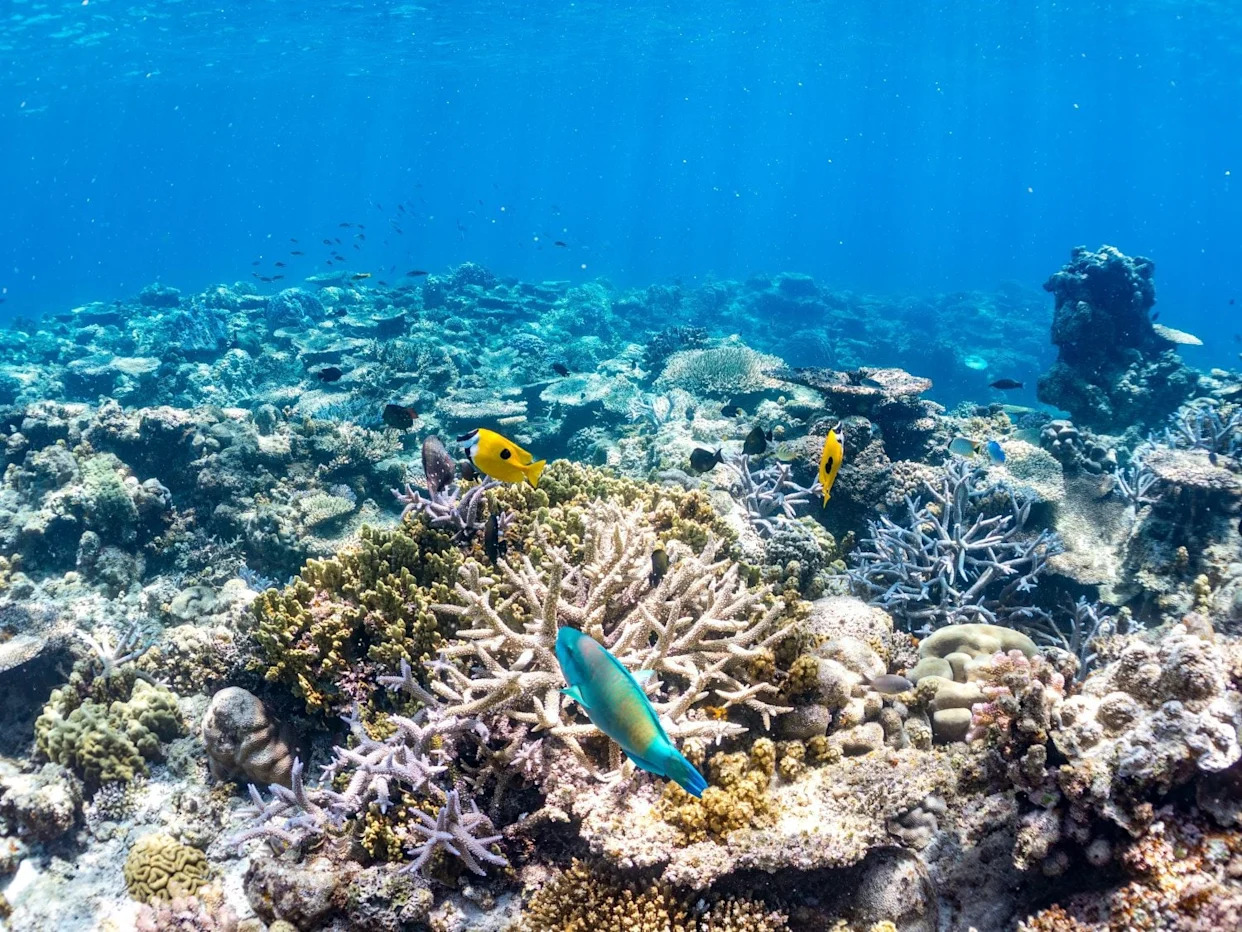
New research indicates that artificial light at night triggers sleep deprivation, DNA damage, and behavioral shifts in reef fish while altering predator activity. Experts suggest that improving coastal lighting design could help mitigate these negative environmental impacts.

Artificial light spilling into coastal waters is disrupting the natural rhythms of reef fish, leading to neurological stress and ecosystem instability. Researchers are now advocating for improved lighting practices to mitigate these environmental impacts.