Pakistan expands HIV curbs with syringe ban, screening of deportees
The Pakistani government has introduced stricter public health mandates, including a comprehensive syringe ban and new border screening protocols, to address the challenge of HIV transmission.

Pakistan is implementing a series of new public health mandates aimed at curbing the spread of HIV. The federal government has introduced a nationwide ban on the reuse of all types of syringes and initiated mandatory HIV screening for all deportees arriving at the country’s borders and airports. These measures follow a period of intense scrutiny regarding medical practices and rising infection rates across various regions, including Islamabad, Karachi, and the city of Taunsa in southern Punjab.
Federal Health Minister Mustafa Kamal announced the regulatory changes this week following discussions with the National Assembly’s Standing Committee on Health. The government previously prohibited the reuse of 2.5cc and 3cc syringes in 2021, but the new directive expands this to include all sizes, specifically addressing the 10cc syringes that authorities say have contributed to recent clusters of infections. Reports indicate that unsafe practices, such as the reuse of syringe bodies and the utilization of medication from contaminated multi-dose vials, have historically driven transmission in clinical settings, including the Tehsil Headquarters Hospital in Taunsa.
Related media

Addressing Transmission and Screening
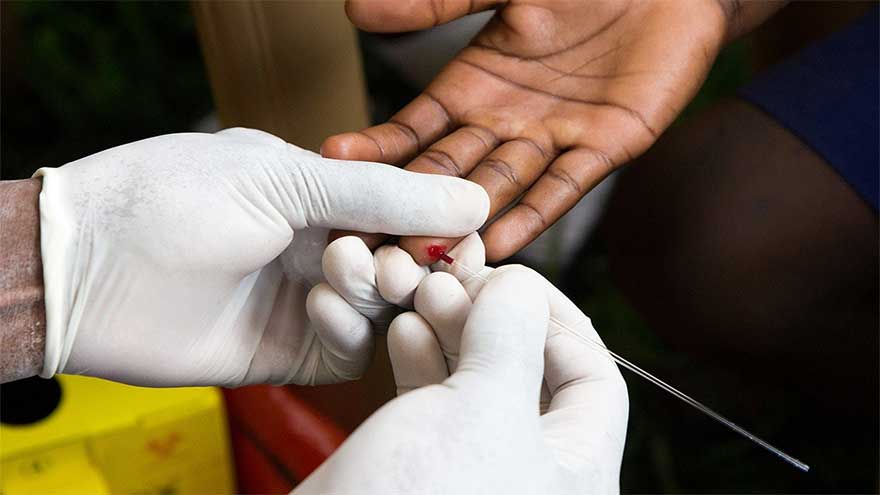
The decision to screen deportees stems from concerns that HIV-positive individuals returning to the country may remain undiagnosed. Minister Kamal stated that some foreign nations deport Pakistani citizens specifically due to their HIV status without disclosing the diagnosis. By implementing screening at entry points, the government aims to identify these cases early to prevent further transmission within the country.
There is currently a disagreement regarding the scale of the crisis. While the Pakistan Medical Association (PMA) has described the hundreds of HIV-positive children documented in Sindh and Punjab as evidence of systemic failure and warns that these figures are merely the "tip of the iceberg," government officials reject the characterization of a fresh epidemic. Minister Kamal attributed the rise in detected cases to an expansion in screening capacity rather than a sudden outbreak. Data provided by the Ministry of National Health Services indicates that the number of HIV screening centers increased from 49 in 2020 to 97 by 2025, leading to a higher volume of identified cases.
National Statistics and Treatment Challenges
Official estimates suggest that approximately 366,000 people are living with HIV in Pakistan. Government data shows that 84,000 cases are currently registered, yet officials express concern regarding approximately 20,000 patients who are classified as "missing" or unaccounted for in existing treatment programs. While 61,000 patients are receiving antiretroviral therapy (ART), the government is working to expand its infrastructure, with plans to increase the number of dedicated treatment centers from the current 97 to 166.
Financial constraints remain a significant hurdle. Minister Kamal reported that the country receives only 6.5 percent of Global Fund financing directly, with the remaining balance funneled through international agencies and non-governmental organizations. He noted that these intermediaries do not always share data with the federal government, hindering national coordination. Furthermore, the government is currently under the Global Fund’s Additional Safeguard Policy following previous reports of irregularities, including the disappearance of medicated mosquito nets valued at approximately $10 million.
Contributing Factors
Beyond clinical malpractice, government officials have identified behavioral factors contributing to the spread. During a joint meeting of the Senate Standing Committees on Human Rights and Health, Minister Kamal pointed to "night parties" among young people in major cities as a source of concern, citing the combination of drug use and risky sexual behavior. These discussions took place during a review of the National Population Coordination and Reproductive Health Bill, 2026, which aims to address reproductive health in a country recording roughly 6.7 million births annually.
Status of HIV Measures
| Measure | Status |
|---|---|
| Syringe Reuse | Nationwide ban on all sizes |
| Deportee Screening | Mandatory at borders and airports |
| ART Centers | 97 active; 166 planned |
| Helpline | Planned launch |
While the government maintains that HIV is a manageable condition when treated with consistent medication, public health advocates continue to call for more robust oversight. Minister Kamal has emphasized that HIV is not an incurable disease and that patients who adhere to their prescribed regimen do not transmit the virus to others. As the government transitions to these new protocols, stakeholders are waiting to see if the expanded monitoring and improved regulatory enforcement will effectively slow the transmission rate in high-risk areas.
How significant is this development?
Contribute your assessment to the aggregated reader intelligence ledger.
Archypedia is dedicated to independent, evidence-backed reporting. This briefing was synthesized from primary source reporting, corroborated across independent newsrooms, and verified against our Editorial Standards.
Transparency record
Evidence behind this report
This report synthesizes 9 distinct sources. Open the source ledger below to compare the underlying coverage.
- propakistani.pk
- en.dailyqudrat.pk
- bmj.com
- arynews.tv
- arabnews.com
- arabnews.pk
- dunyanews.tv
- dialoguepakistan.com
- theazb.com
Prepared under the Archypedia Editorial Policy by the Lina Park editorial desk profile. AI-assisted tools may support drafting and verification; public accountability remains with Archypedia. Report an error.