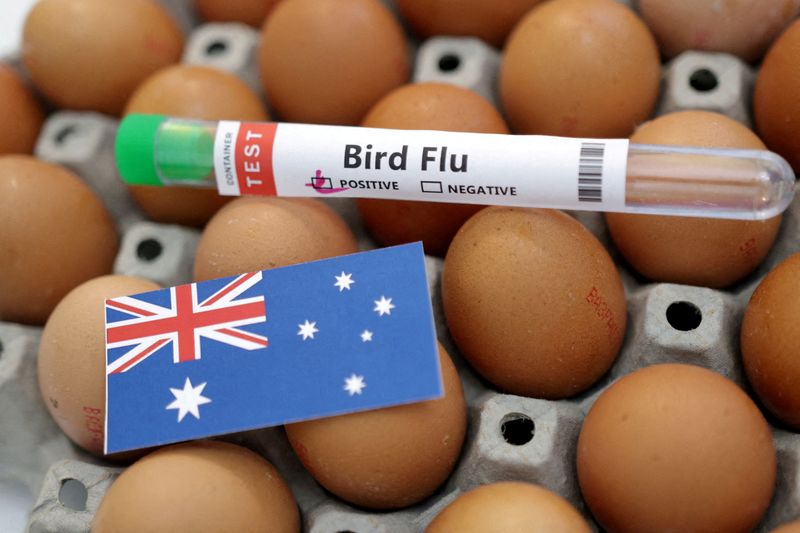
NSW reports first suspected case of H5 bird flu in giant petrel
A giant petrel discovered on the NSW Mid North Coast has tested positive for the H5 strain of avian influenza in preliminary testing. Authorities are currently awaiting laboratory confirmation while maintaining coordinated surveillance and biosecurity protocols.
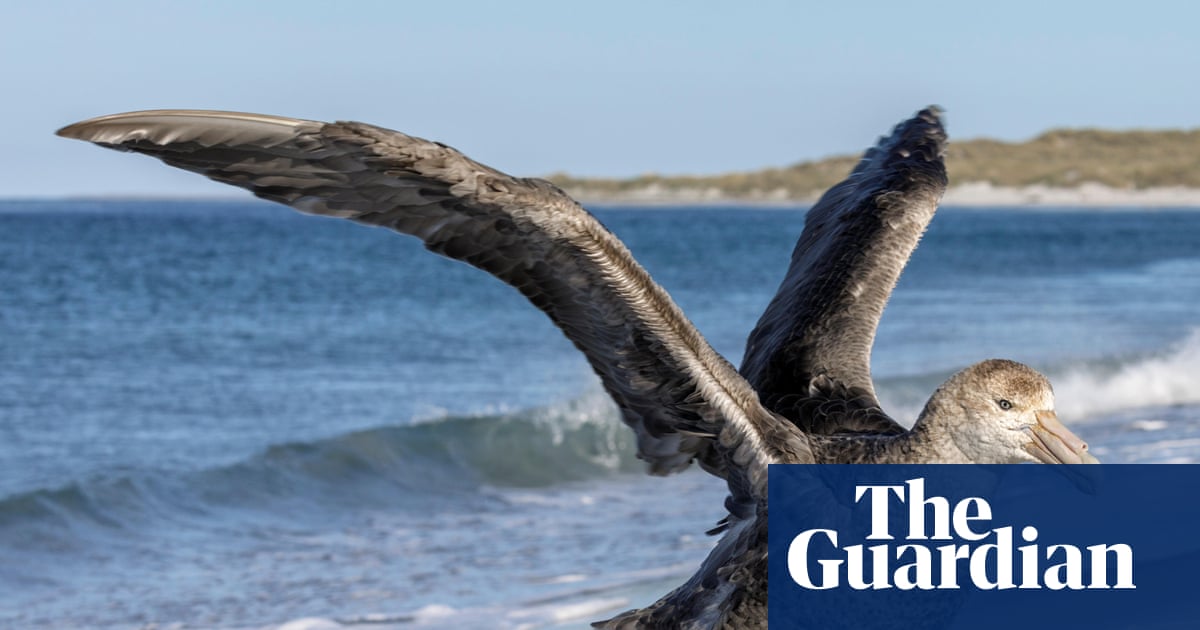
New South Wales has reported its first suspected case of H5 avian influenza, marking the latest development in the virus's arrival on the Australian mainland. The detection occurred in a giant petrel discovered near Hawks Nest, on the state’s Mid North Coast. Preliminary testing conducted at the Elizabeth Macarthur Agricultural Institute laboratory returned a positive result for the H5 strain, prompting authorities to send samples to the CSIRO’s Australian Centre for Disease Preparedness for high-pathogenicity confirmation.
This development, announced on 3 July 2026, places Nsw among the regions grappling with the reach of a virus that has affected wild bird and mammal populations globally. According to The Guardian, the bird was found by a member of the public, who notified authorities. While the detection of the H5 strain is significant, officials emphasize that it remains an isolated case within the state at this time, with no evidence of transmission to commercial poultry or captive bird flocks.
Related Instagram post


The Australian response to the virus is being managed through a coordinated effort between federal and state agencies. As noted by the NSW Government, a State Coordination Centre has been operational at the Orange Agricultural Institute since 19 June 2026 to oversee surveillance and emergency protocols. Agriculture Minister Tara Moriarty stated that the state has prepared for this eventuality for years, having trained more than 500 staff members, including field officers from the National Parks and Wildlife Service and Local Land Services, to manage detection and response efforts.
Current Status of H5 Detections in Australia
Prior to the Hawks Nest discovery, confirmed cases of H5 avian influenza were recorded in other parts of the country. Reporting from The Sydney Morning Herald outlines the timeline of these initial incursions:
- Western Australia: Four confirmed cases in migratory seabirds.
- South Australia: One confirmed case in a migratory seabird.
- New South Wales: One suspected case in a giant petrel (pending high-pathogenicity confirmation).
Biosecurity and Public Guidelines
Despite the heightened state of surveillance, authorities have urged the public to remain calm. Nine News reports that poultry industry stakeholders, such as local egg producers, are maintaining existing biosecurity measures, including limiting site access and sanitizing transit vehicles. Officials have reiterated that the risk to human health is currently assessed as low.
The Straits Times confirms that while Australia was previously the last continent to report an H5 detection, the current national strategy focuses on the "One Health" approach, which integrates animal, human, and environmental health monitoring. The federal government has committed $113 million toward national preparedness, focusing on rapid carcass removal and preventing interaction between wild birds and commercial farms.
Policy advocates, such as the Invasive Species Council, have requested further federal investment. According to Rnz, there are calls for additional funding to bolster general wildlife resilience, specifically through feral cat and fox control, to ensure that native species are better equipped to withstand the potential impacts of the virus.
What to Watch Next
- CSIRO Confirmation: Awaiting laboratory results from the Australian Centre for Disease Preparedness to determine if the NSW sample is the high-pathogenicity H5N1 strain.
- Ongoing Surveillance: Continued expansion of monitoring by trained teams across the Mid North Coast and other high-risk coastal zones.
Members of the public are advised to avoid all contact with sick or dead wildlife. If an animal is found displaying signs of illness—such as lethargy, respiratory distress, or paralysis—the location should be recorded with photos or video and reported immediately to the Emergency Animal Disease Hotline at 1800 675 888.
How significant is this development?
Contribute your assessment to the aggregated reader intelligence ledger.
Archypedia is dedicated to independent, evidence-backed reporting. This briefing was synthesized from primary source reporting, corroborated across independent newsrooms, and verified against our Editorial Standards.
Transparency record
Evidence behind this report
This report synthesizes 9 distinct sources. Open the source ledger below to compare the underlying coverage.
- theguardian.com
- nsw.gov.au
- smh.com.au
- rnz.co.nz
- straitstimes.com
- nine.com.au
- 7news.com.au
- dailymail.com
- theqldr.com.au
Prepared under the Archypedia Editorial Policy by the Lina Park editorial desk profile. AI-assisted tools may support drafting and verification; public accountability remains with Archypedia. Report an error.