Rwanda reports Marburg outbreak as Uganda confirms isolated case
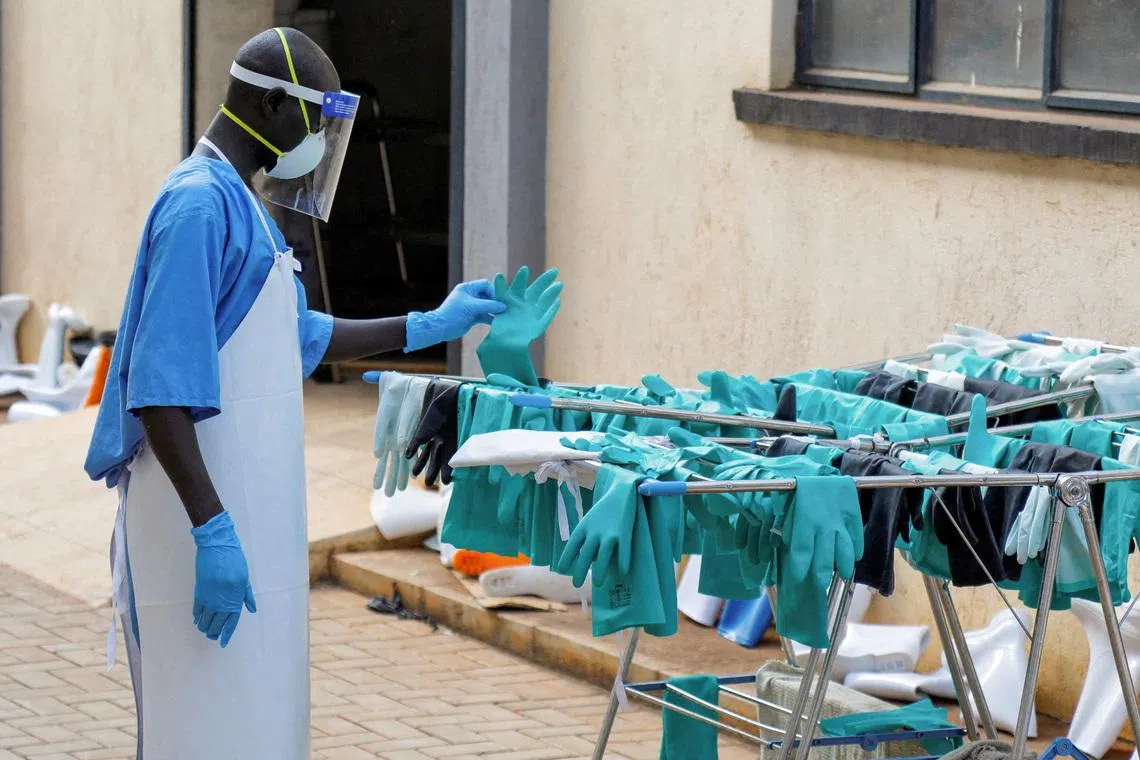
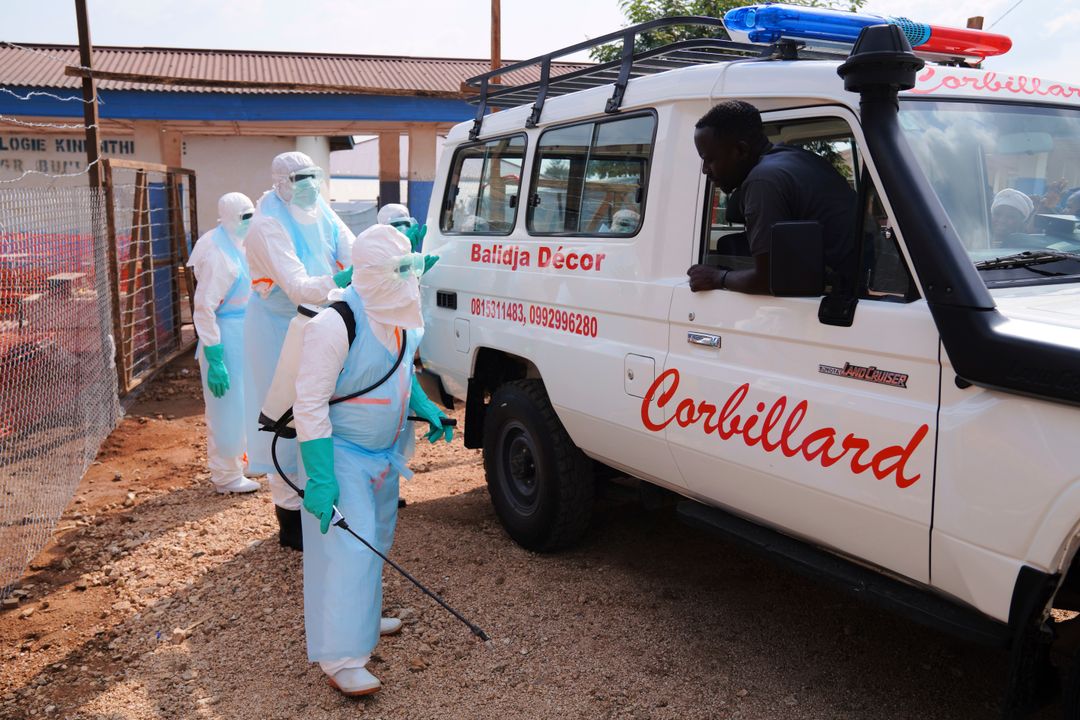
Health authorities are monitoring an isolated fatal case of Marburg virus in Uganda as the region simultaneously responds to an ongoing Ebola outbreak.
Public health authorities are navigating a complex viral landscape in East Africa as Uganda confirms a fatal, isolated case of the Marburg virus, even as the region remains engaged in an intense response to a parallel Ebola outbreak. The Ugandan case involves a child, one year and five months of age, who died in the Kyegegwa District in western Uganda. The World Health Organization (WHO) reported that it received notification of the case on 30 June. While the Africa Centres for Disease Control and Prevention (Africa CDC) has stated that no contacts of the deceased child have developed symptoms and that there are no other active cases currently in the country, the situation has exposed a notable tension regarding transparency. Officials within the Ugandan health ministry have reportedly signaled a lack of awareness regarding an outbreak, leading to speculation that concerns over potential travel restrictions and impacts on the regional tourism industry may influence the public disclosure of medical data.
Context and Disagreement
The narrative surrounding the incident remains fluid. While official channels from the WHO and Africa CDC describe a single, isolated detection identified through enhanced surveillance for Ebola, other reports — including accounts cited by Arstechnica — reference unverified claims that as many as two cases may have been detected early in the week. The US embassy in Uganda also issued a health alert on 29 June, confirming awareness of a potential case
prior to the official WHO notification. This climate of uncertainty follows a period of heavy surveillance, as Uganda has been managing an ongoing Ebola outbreak linked to the widespread emergency in the Democratic Republic of the Congo (DRC).
Related media

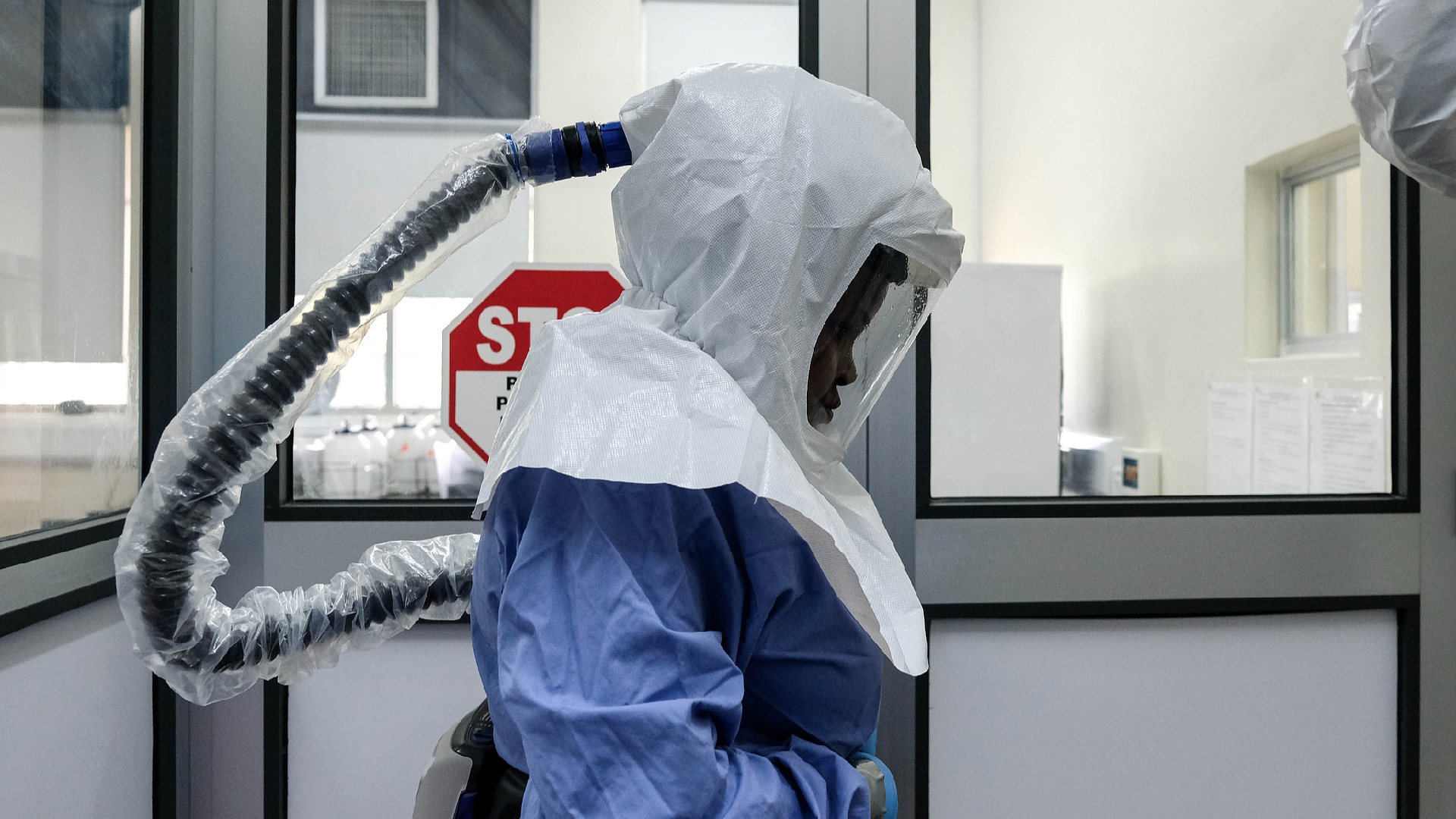

The regional risk is heightened by the proximity of the DRC, where officials are actively tracking a major Ebola surge. Current figures show the DRC reporting 1,406 Ebola cases with 438 deaths. In comparison, Uganda has reported 20 confirmed cases and two deaths, with 15 individuals reported as recovered. The shared nature of the clinical requirements for filovirus diseases means that surveillance teams already deployed for Ebola are effectively acting as the primary defense against Marburg. Both viruses require similar protocols for isolation, contact tracing, and supportive care.
Clinical Management and Surveillance
In response to the recurring threat of these hemorrhagic fevers, the WHO has recently unveiled its inaugural clinical guidelines for managing filovirus diseases. These guidelines emphasize that early identification and supportive care are crucial for survival
in the absence of curative treatments. The protocols standardize the use of rehydration, oxygen therapy, and antimicrobial interventions for secondary bacterial infections. These measures are designed to mitigate the high mortality rates associated with Marburg, which historically exhibits a case fatality ratio ranging from 24 percent to 88 percent.
The recent emergence of the virus in Rwanda serves as a critical precedent. During that outbreak, 46 cases and nine deaths were confirmed, with a significant majority of victims being healthcare workers. Rwanda, which remains under high regional scrutiny, has initiated vaccine trials with doses provided by the Sabin Vaccine Institute.
What to Watch Next
- Contact Monitoring: Health authorities are currently observing identified contacts of the Kyegegwa case to determine if community transmission occurred.
- Clinical Implementation: Look for the integration of the new WHO health guidelines into regional hospital protocols to see if standardized care improves recovery rates compared to previous outbreaks.
- Source Investigation: WHO-supported investigations in Uganda are ongoing to determine the specific source of exposure, which is historically linked to contact with fruit bats or subterranean environments like caves and mines.
The situation remains highly active. While the current Marburg case in Uganda is officially classified as isolated, the surrounding regional instability, coupled with the escalating Ebola emergency, suggests that public health agencies will remain in a state of heightened readiness for the foreseeable future.
How significant is this development?
Contribute your assessment to the aggregated reader intelligence ledger.
Archypedia is dedicated to independent, evidence-backed reporting. This briefing was synthesized from primary source reporting, corroborated across independent newsrooms, and verified against our Editorial Standards.
Transparency record
Evidence behind this report
This report synthesizes 6 distinct sources. Open the source ledger below to compare the underlying coverage.
Prepared under the Archypedia Editorial Policy by the Lina Park editorial desk profile. AI-assisted tools may support drafting and verification; public accountability remains with Archypedia. Report an error.