Health
Australia confirms first H5N1 bird flu mass mortality in seabirds
The detection of H5N1 in silver gulls and greater crested terns suggests a shift from sporadic migratory arrivals to environmental spread across five states.
The detection of H5N1 in silver gulls and greater crested terns suggests a shift from sporadic migratory arrivals to environmental spread across five states.
New Zealand has recorded its first-ever case of the highly pathogenic H5N1 avian influenza in a brown skua found on Petone Beach. Authorities have launched a vaccination program for select endangered species as they move to an active national response.

New South Wales is the third Australian state to detect H5N1 bird flu after finding the virus in a migratory seabird. Officials confirm the risk to the public remains low and poultry supplies are secure.

Agricultural authorities are urging poultry producers to upgrade biosecurity as the highly pathogenic H5N1 virus reaches Australia's east coast and continues to devastate US farms.
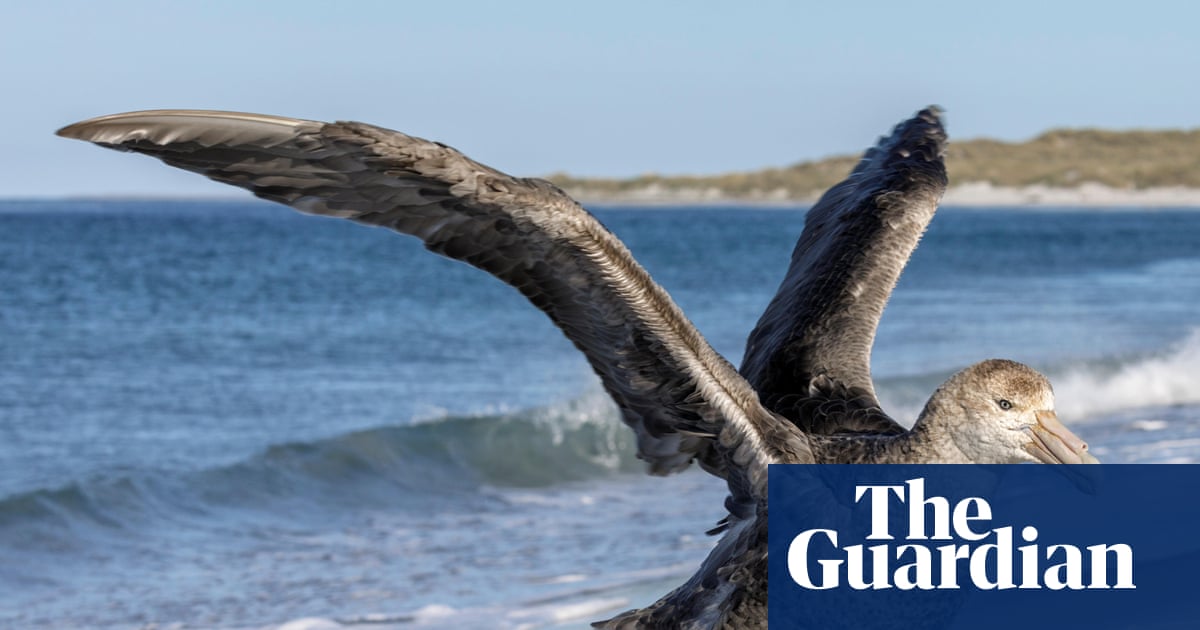
A giant petrel discovered on the NSW Mid North Coast has tested positive for the H5 strain of avian influenza in preliminary testing. Authorities are currently awaiting laboratory confirmation while maintaining coordinated surveillance and biosecurity protocols.
Federal authorities confirmed the first H5 avian influenza cases on the Australian mainland after testing migratory seabirds. While no poultry cases exist, authorities have increased surveillance to protect native wildlife.