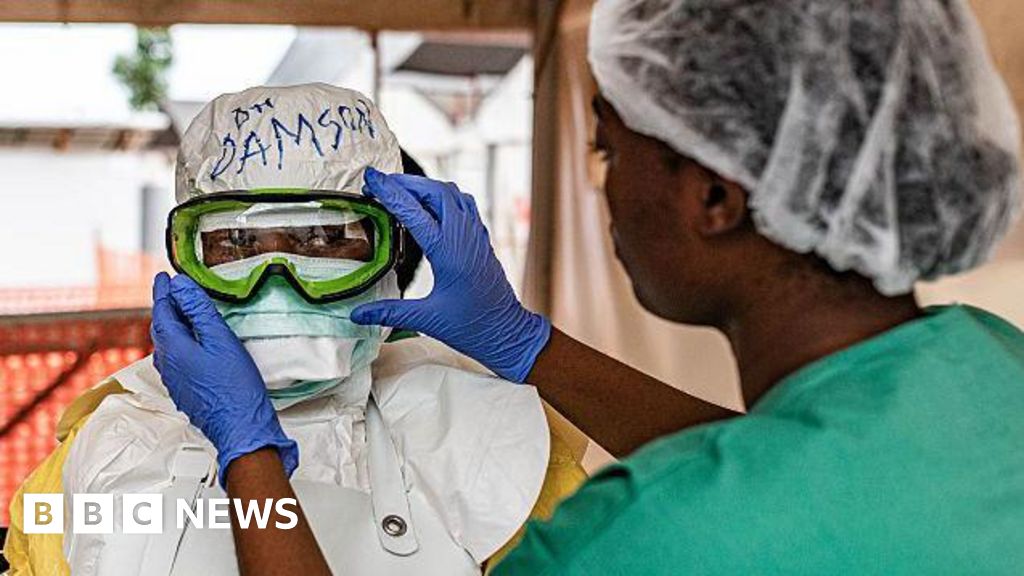
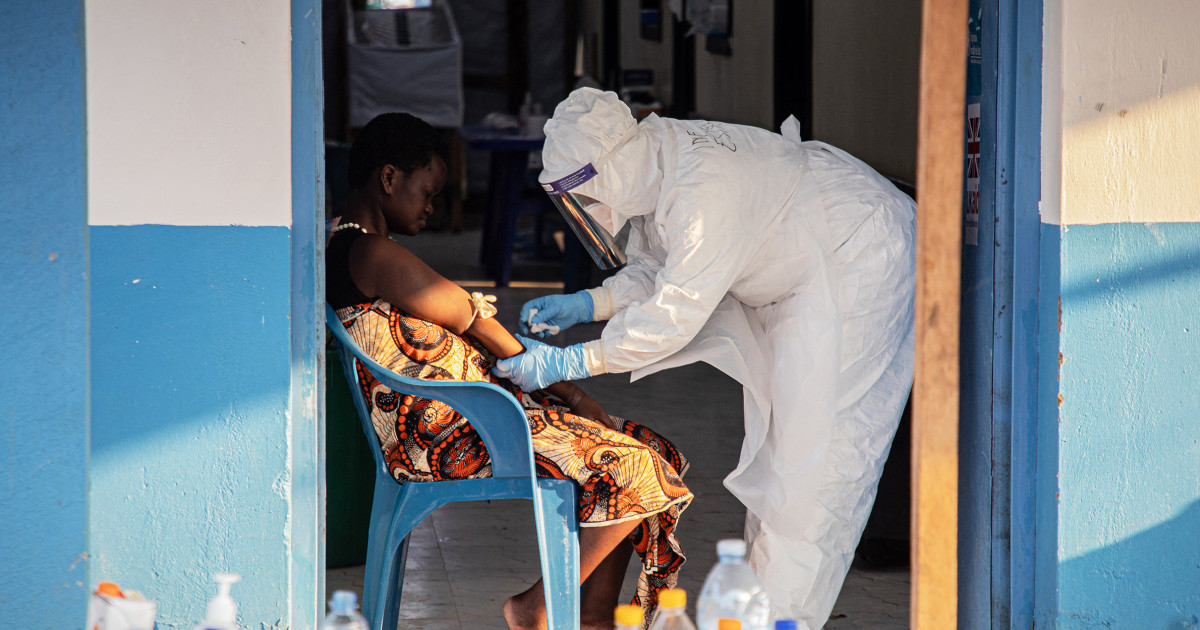
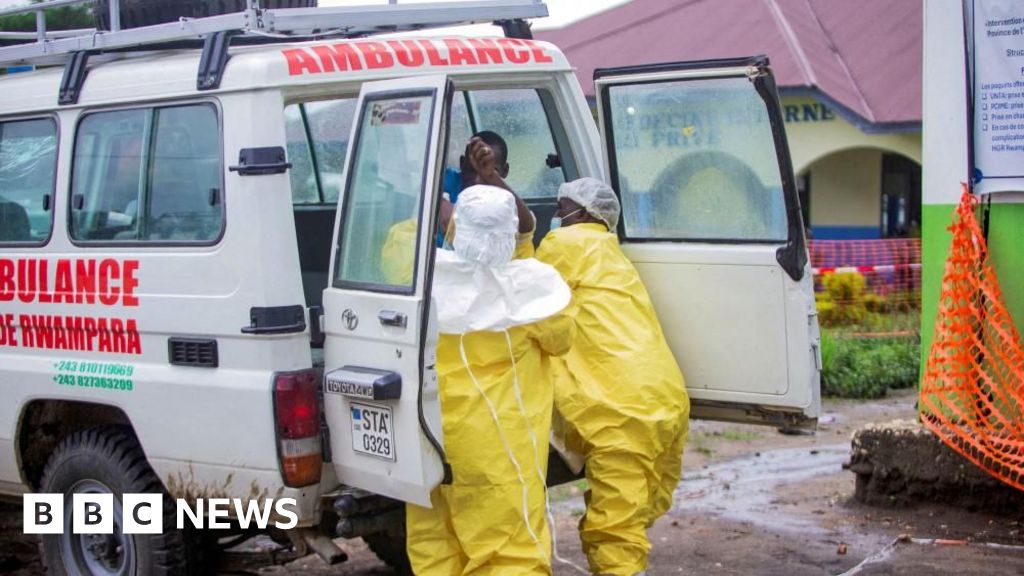
DR Congo Ebola cases climb to 1,274 as death toll reaches 360
The Bundibugyo ebolavirus outbreak in the DR Congo is intensifying as health officials face regional conflict, community mistrust, and low contact tracing.

The Democratic Republic of Congo (DRC) is navigating an intensifying health crisis as confirmed cases of the Bundibugyo ebolavirus have climbed to 1,274, with the death toll reaching 360, according to data available as of Monday, 29 June 2026. This 17th outbreak of the virus in the country was first reported in May 2026, though experts suggest the spillover event likely occurred as early as January or February. The virus, which has a theorized fatality rate between 25% and 50%, is primarily spreading through the provinces of Ituri, Nord-Kivu, and Sud-Kivu.
The current figures represent a significant escalation from earlier in the month, when authorities reported 1,003 confirmed cases and 254 deaths. The increase highlights the persistent challenges facing health workers, who are battling both the rare Bundibugyo strain — for which no specific vaccine or treatment is currently approved — and volatile conditions on the ground. The region is home to an estimated 1.9 million people in need of aid, with widespread displacement complicating efforts to track the spread of the disease.
Related media
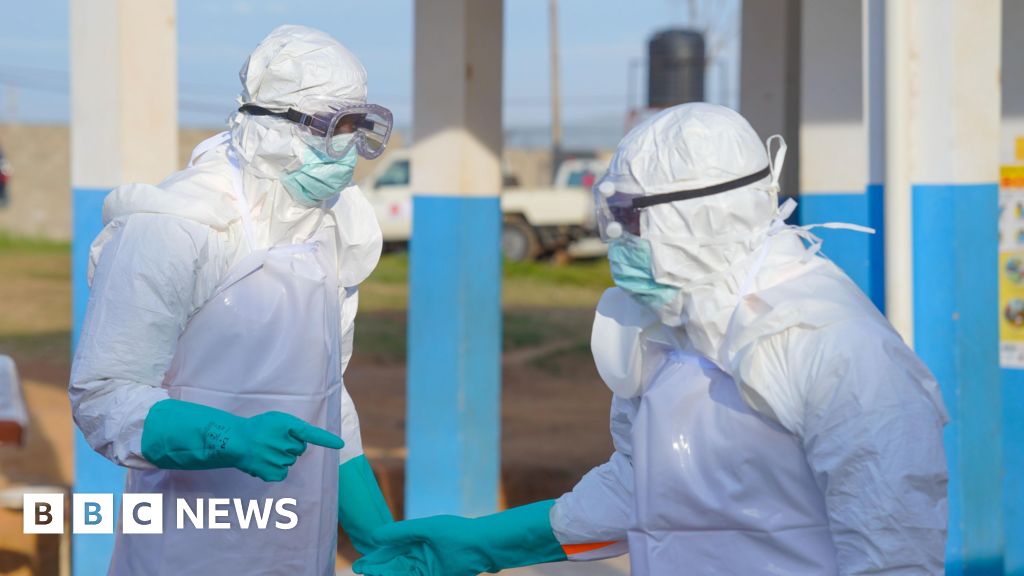
Challenges in Containment and Community Trust
Containment efforts remain hindered by a combination of armed conflict and deep-seated community mistrust. The epicentre of the outbreak, Ituri, is an area experiencing a resurgence of ethnic conflict, with militant groups including the Allied Democratic Force (ADF) obstructing medical access and humanitarian operations. These security risks, combined with the presence of over 2 million displaced people, have made consistent surveillance and contact tracing difficult. Health officials have struggled to meet the World Health Organization’s (WHO) objective of tracing 90% of contacts, with reports indicating that contact tracing rates have been as low as 45% to 55% in recent weeks.
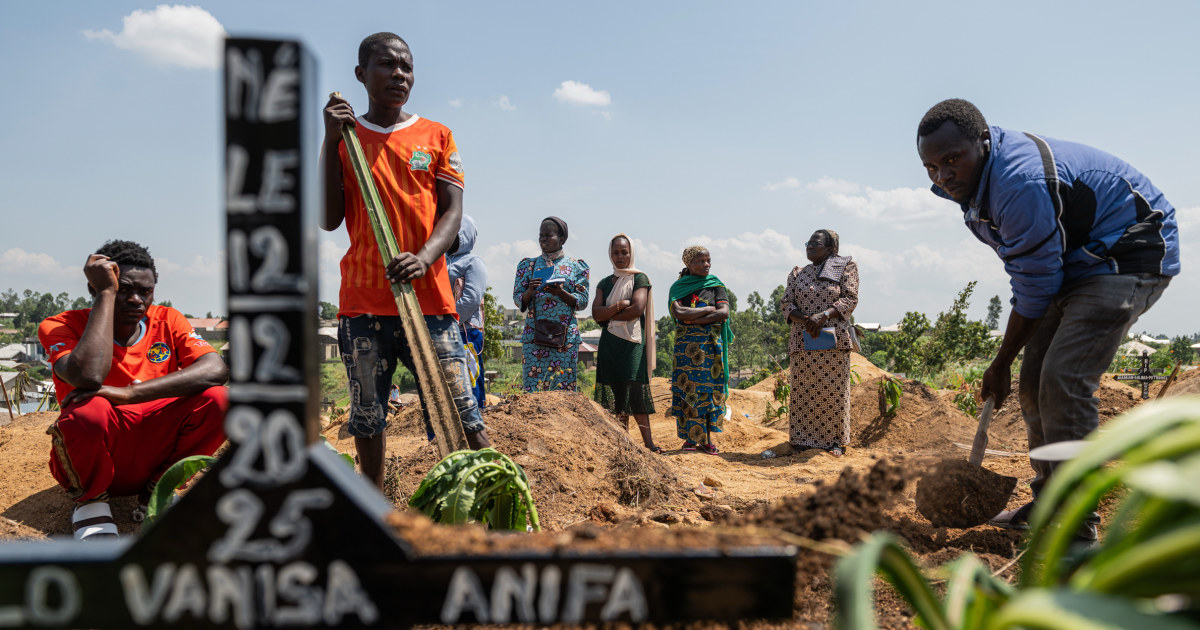
Community resistance remains a critical barrier. Traditional funeral rites, which often involve washing and touching the deceased, continue to drive transmission as families resist safe burial practices. Hostility toward medical teams has resulted in multiple assaults on burial crews, the burning of medical tents, and the forced release of patients from isolation facilities.
International Scope and Response
While the outbreak is concentrated in the eastern DRC, cases have been reported in the Ugandan capital, Kampala, and an imported case was recently confirmed in France, involving a doctor who returned from a humanitarian mission. Germany also received a medically evacuated case involving an American physician who was later released after treatment. In response to the growing threat, the WHO declared the outbreak a public health emergency of international concern on 16 May 2026.
The international community has pledged various forms of support. The UK announced up to £20 million to support affected communities, while the US State Department pledged $112 million for personal protective equipment, screening, and diagnostic support. Additionally, the European Union committed €15 million to aid response efforts. Global health organizations are now shifting focus toward the deployment of the PARTNERS clinical trial protocol. This initiative seeks to test three potential vaccine candidates and three antiviral therapies, including remdesivir, MBP-134, and maftivimab, specifically against the Bundibugyo strain.
What to Watch Next
As of late June, medical organizations such as Médecins Sans Frontières operate multiple treatment centers across the affected provinces, yet officials acknowledge that the peak of the epidemic has likely not yet been reached.
- Molecular Diagnostics: The Africa Centres for Disease Control and Prevention continues to mandate real-time PCR testing, noting that standard rapid diagnostic tests currently in use lack the specificity required for the Bundibugyo strain.
- Clinical Trials: The rapid acceleration of the PARTNERS protocol is seen as the primary pathway to finding effective medical countermeasures.
- Trust-Building: Organizations are working to engage local community leaders to reduce the frequency of attacks on medical personnel and encourage safer funeral practices.
Authorities expect the situation to remain fluid, particularly as they manage the dual pressure of controlling the virus in dense displacement camps, such as the Kigonze site in Bunia, and addressing the systemic barriers that prevent consistent medical access in conflict-prone areas.
How significant is this development?
Contribute your assessment to the aggregated reader intelligence ledger.
Archypedia is dedicated to independent, evidence-backed reporting. This briefing was synthesized from primary source reporting, corroborated across independent newsrooms, and verified against our Editorial Standards.
Transparency record
Evidence behind this report
This report synthesizes 7 distinct sources. Open the source ledger below to compare the underlying coverage.
Prepared under the Archypedia Editorial Policy by the Lina Park editorial desk profile. AI-assisted tools may support drafting and verification; public accountability remains with Archypedia. Report an error.