New vitamin B12 therapy shows promise against deadly brain cancer
Preclinical research indicates that nitrosylcobalamin can cross the blood-brain barrier and accumulate in glioblastoma tissue. The compound shows synergistic potential with existing therapies by potentially overcoming tumor resistance mechanisms.
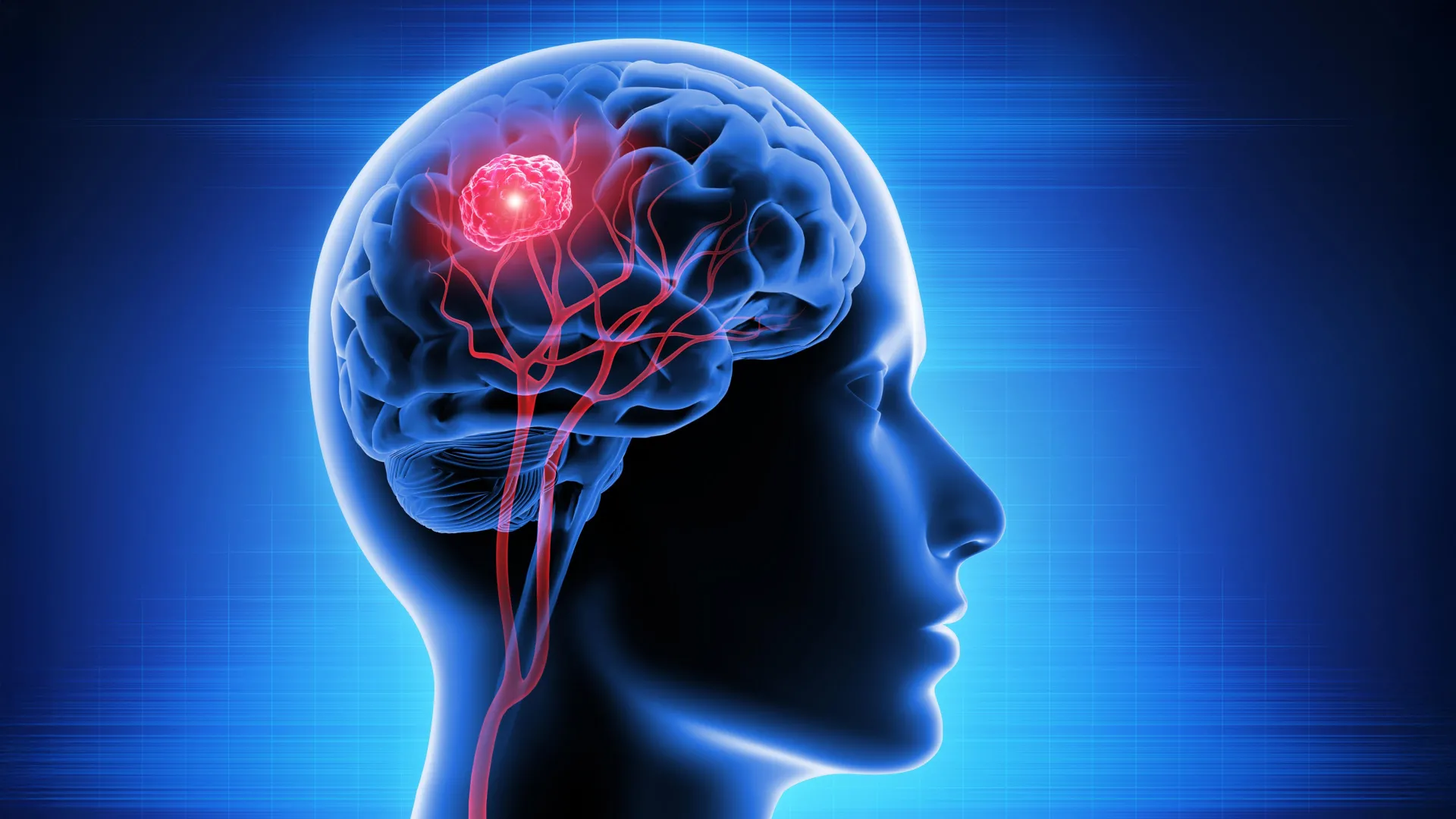
A modified form of vitamin B12 has demonstrated a capacity to penetrate the blood-brain barrier and selectively target glioblastoma tumors in preclinical studies. The research, published 2 April 2026 in the journal Oncoscience, examines the efficacy of nitrosylcobalamin (NO-Cbl), a nitric oxide-releasing analog of cobalamin, as a potential strategy to improve drug delivery in neuro-oncology.
Glioblastoma multiforme (GBM) is among the most lethal forms of brain cancer. Standard clinical protocols—consisting of surgical intervention, radiation therapy, and chemotherapy—frequently fail to prevent recurrence. Patients diagnosed with the disease typically survive less than 15 months. A primary obstacle to effective treatment is the blood-brain barrier (BBB), a biological structure designed to shield the brain from pathogens and toxins that simultaneously prevents many pharmaceutical compounds from reaching therapeutic concentrations within tumor tissue.
Related media
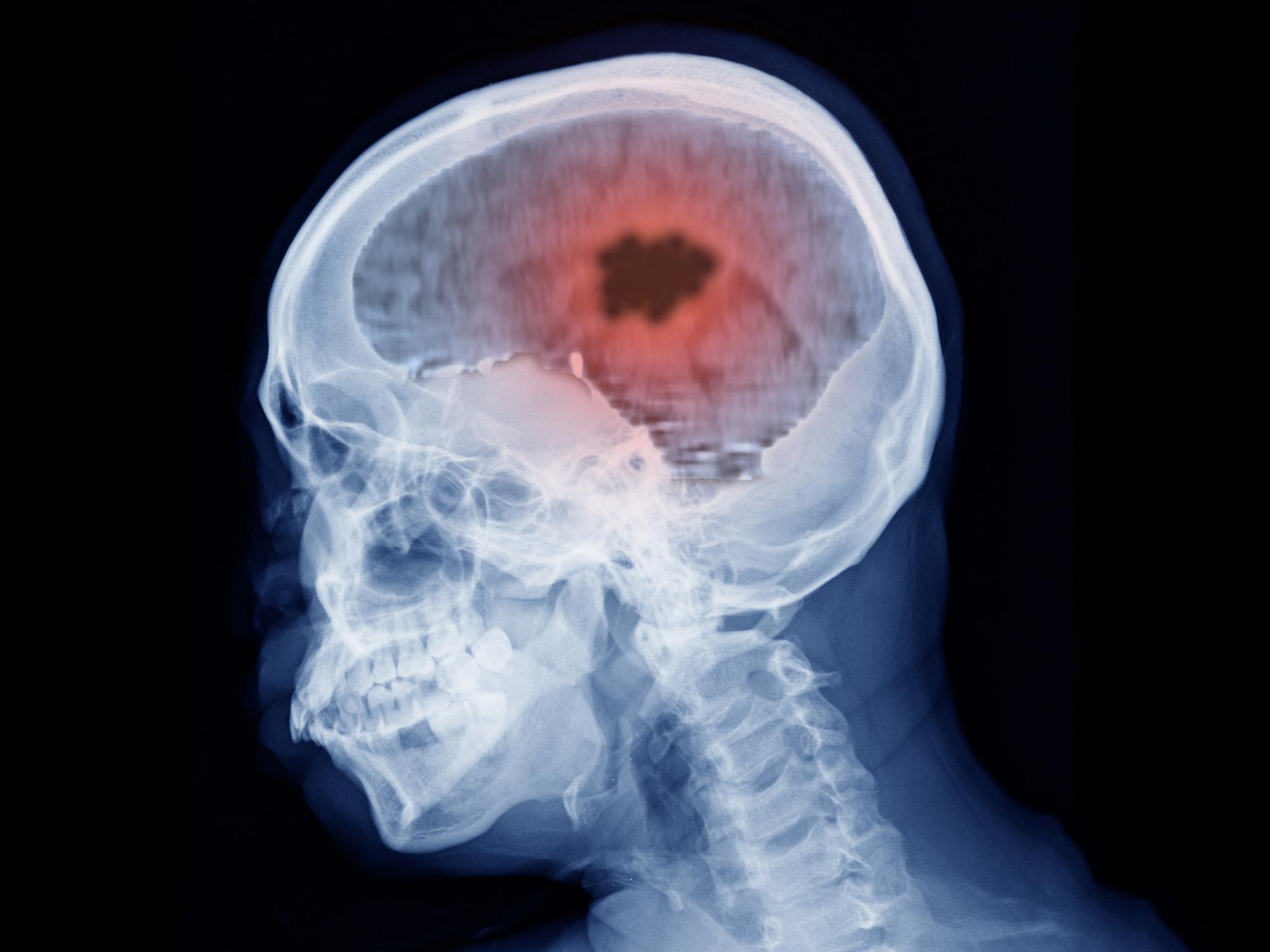
The research team, led by Joseph A. Bauer of Nitric Oxide Services, LLC, and the Cleveland Clinic Foundation Taussig Cancer Center, investigated whether NO-Cbl could exploit the metabolic requirements of cancer cells to bypass these protective barriers.
The study utilized a comprehensive set of experimental methods. Investigators tested NO-Cbl against the NCI-60 human tumor cell line panel, finding that central nervous system tumor cell lines showed moderate sensitivity. Further validation involved pharmacokinetic studies in rats with glioblastoma and combination experiments using human glioblastoma cell lines U87 and D54.
In animal models, NO-Cbl administered systemically successfully crossed the blood-brain barrier. The compound demonstrated preferential accumulation within glioblastoma tissue. Nitrate levels, used as a marker for the compound’s activity, remained elevated in the tumor tissue for at least 24 hours, whereas levels in healthy tissues decreased significantly faster. Figures 2 and 3 of the study further document the sustained presence of nitrate and cobalamin-related metabolites in the tumor compared to other organs.
A significant finding of the study is the compound's synergistic potential with existing therapies. When combined with the chemotherapy drug temozolomide or the signaling molecule TRAIL, NO-Cbl produced greater suppression of tumor cell proliferation than any of the agents achieved individually. According to the study authors, this suggests that the therapy may not only facilitate better drug delivery but also assist in overcoming resistance mechanisms.
"This pilot study demonstrates that NO-Cbl crosses the BBB, accumulates selectively in brain tumor tissue, and synergizes with established and experimental glioblastoma therapies."
Joseph A. Bauer et al., authors, via Oncoscience
The researchers note that NO-Cbl may counter resistance by promoting apoptosis via caspase-8 activation, suppressing NF-κB survival signaling, and enhancing TRAIL receptor signaling through S-nitrosylation. These mechanisms may increase the sensitivity of tumor cells to standard treatments, potentially including those that have already developed resistance to temozolomide.
The study authors emphasize that these results represent a pilot translational study. Clinical application remains a distant goal, requiring significant further validation. Future research is expected to focus on several key areas, including orthotopic validation, identifying optimal dosing strategies, conducting long-term monitoring of nitric oxide release, and investigating the compound’s performance in additional central nervous system tumor models.
Future research trajectories
- Orthotopic validation: Testing the therapy in models that replicate the natural site and biological characteristics of human glioblastomas.
- Dosing optimization: Defining safe and effective administration protocols for the compound.
- Mechanistic analysis: Investigating the broader impacts of the interaction between NO-Cbl, TRAIL, and other therapeutic agents in varying tumor models.
- Extended tracking: Monitoring the safety and duration of nitric oxide activity in the brain over longer intervals.
How significant is this development?
Contribute your assessment to the aggregated reader intelligence ledger.
Archypedia is dedicated to independent, evidence-backed reporting. This briefing was synthesized from primary source reporting, corroborated across independent newsrooms, and verified against our Editorial Standards.
Transparency record
Evidence behind this report
This report synthesizes 10 distinct sources. Open the source ledger below to compare the underlying coverage.
- kalingatv.com
- sciencedaily.com
- news.webindia123.com
- scitechdaily.com
- thesheffieldpress.com
- brightsurf.com
- eurekalert.org
- aninews.in
- rarecancernews.com
- oncoscience.us
Prepared under the Archypedia Editorial Policy by the Lina Park editorial desk profile. AI-assisted tools may support drafting and verification; public accountability remains with Archypedia. Report an error.