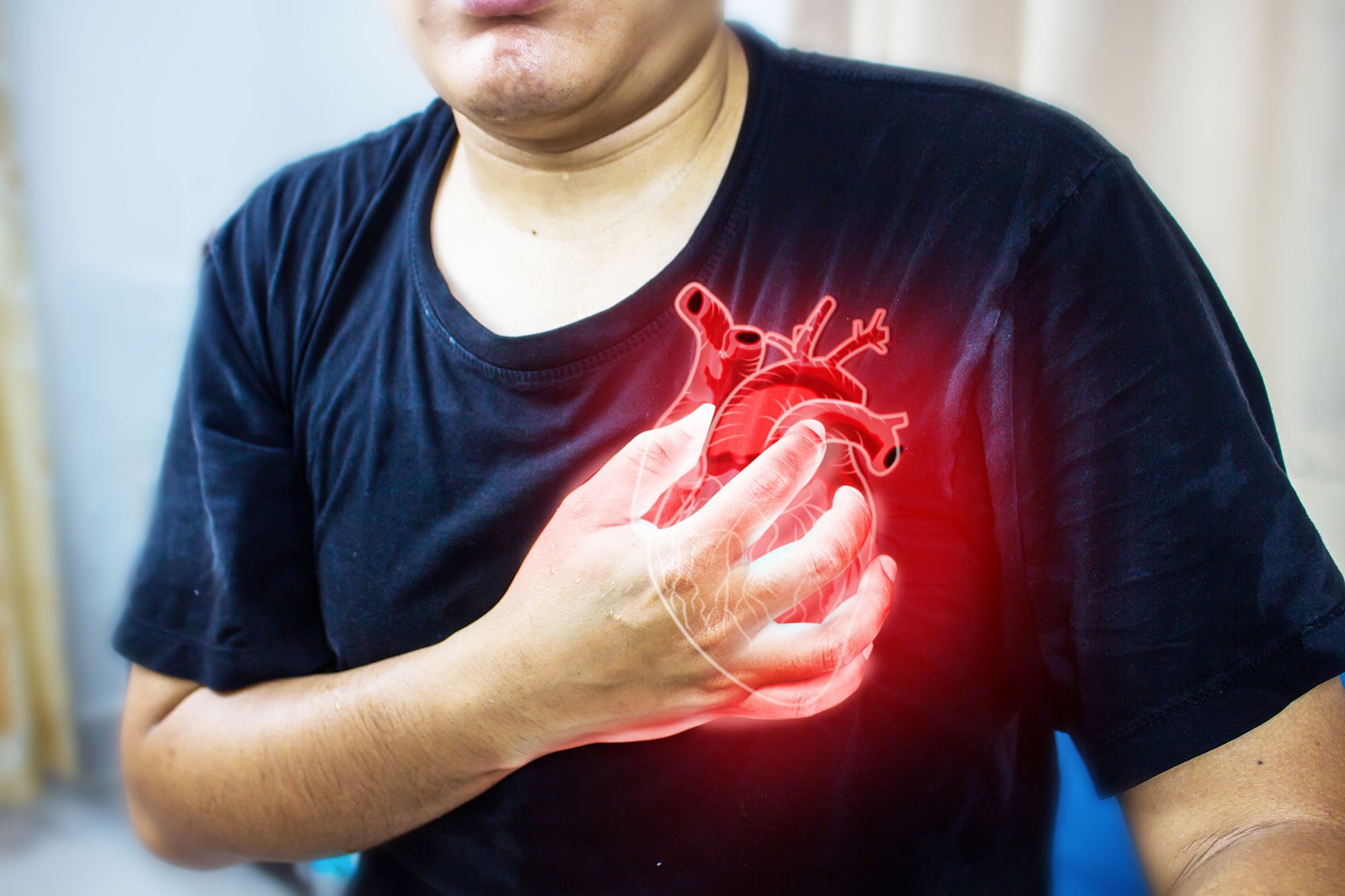
Cardiologists warn that processed protein shakes may harm heart health
New research indicates that protein consumption exceeding 22 percent of daily calories may activate immune cells that contribute to arterial hardening.

The growing popularity of high-protein diets is facing intense scrutiny as cardiologists warn that excessive consumption of processed protein products may pose significant risks to heart health. While protein remains essential for muscle repair and metabolic function, recent findings suggest that modern reliance on shakes, snacks, and supplements often leads to intakes far exceeding biological needs.
The Molecular Mechanism of Risk
Recent research from the University of Pittsburgh School of Medicine has identified a potential biological explanation for why high-protein diets can be harmful. The study indicates that diets where protein accounts for more than 22 percent of daily caloric intake may escalate the risk of atherosclerosis, a condition marked by the hardening of arteries. Researchers found that excess protein intake activates specific immune cells known as macrophages, which contribute to the buildup of arterial plaque.
Related media

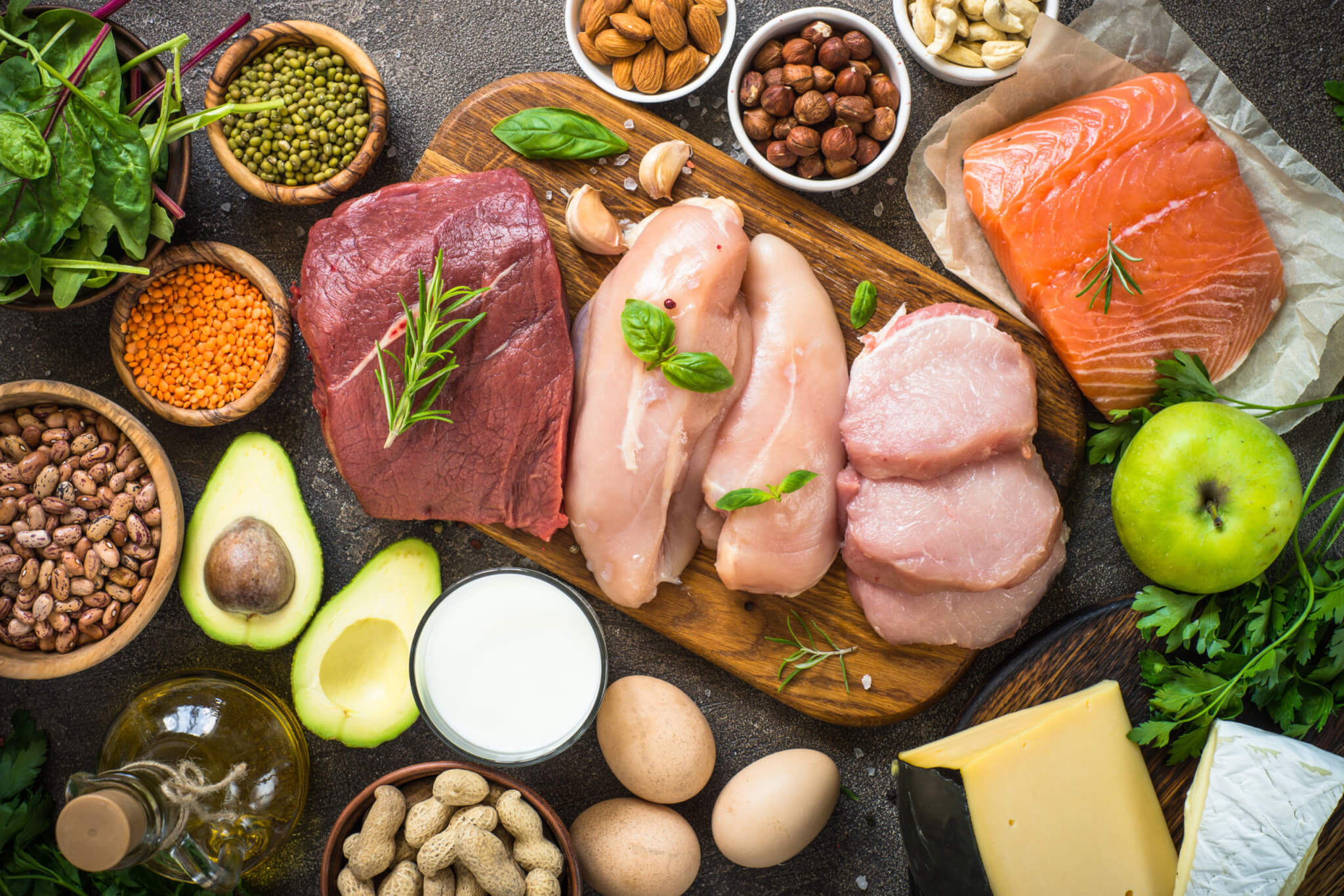
A key driver of this process is leucine, an amino acid abundant in animal-based foods like beef, eggs, and milk. According to Dr. Babak Razani, professor of cardiology at the University of Pittsburgh, the study shows that "dialing up your protein intake in pursuit of better metabolic health is not a panacea." Dr. Bettina Mittendorfer, a metabolism expert at the University of Missouri, notes that these amino acids can alter cell metabolism, leading to an accumulation of cellular debris within vessel walls.
Beyond the "Fit" Exterior
The disconnect between outward appearance and internal cardiovascular health is a frequent point of concern among medical professionals. Dr. Dmitry Yaranov, a cardiologist, has observed that individuals with highly athletic builds may still harbor significant vascular damage. "He looks like a statue. Shredded. Vascular. Peak performance. But I've seen what's inside those vessels, and it's not pretty," Dr. Yaranov stated in a post. He warned that years of excessive protein intake, particularly from animal sources, can create a "ticking time bomb," noting that he has treated patients in their 30s and 40s who suffered sudden heart attacks without prior warning signs.
This internal strain is often compounded by the ingredients found in processed supplements. Many store-bought protein shakes are fortified with high levels of sodium, refined sugar, and artificial sweeteners, which can promote inflammation and elevate blood pressure. According to reporting by Heart2heartwithmadiha, while shakes are marketed as convenient fitness tools, they should not replace whole foods.
Recommended Protein Guidelines
The consensus among experts is that most people in Western populations already consume more protein than necessary. The Montreal Heart Institute’s Observatoire de la prévention highlights that while the recommended dietary allowance (RDA) is approximately 0.8 grams per kilogram of body weight, many individuals ingest double that amount. Because the body cannot store excess protein—unlike fat or sugar—the surplus is oxidized, offering no additional benefit for muscle synthesis once the body's threshold is reached.
What to Watch Next
- Label Awareness: Experts advise checking labels on all protein supplements for hidden sodium and added sugar content.
- Plant-Forward Shifts: A 2024 study noted that increasing the ratio of plant-to-animal protein intake is linked with a 19 percent lower risk of cardiovascular disease.
- Focus on Whole Foods: Medical professionals encourage prioritizing whole foods such as fish, nuts, and leafy greens over processed powders or snacks.
- Clinical Consultation: For those with pre-existing conditions like hypertension, cardiologists recommend discussing specific protein targets with a doctor rather than following generic fitness trends.
As nutritional science continues to evolve, researchers hope to move toward "precision nutrition," where dietary recommendations are tailored to an individual’s specific cardiovascular risk profile. For now, the advice from the clinical community is clear: balance and variety remain the primary indicators of long-term heart health, and there is no substitute for a diet rich in natural, plant-forward ingredients.
How significant is this development?
Contribute your assessment to the aggregated reader intelligence ledger.
Archypedia is dedicated to independent, evidence-backed reporting. This briefing was synthesized from primary source reporting, corroborated across independent newsrooms, and verified against our Editorial Standards.
Transparency record
Evidence behind this report
This report synthesizes 7 distinct sources. Open the source ledger below to compare the underlying coverage.
- moneycontrol.com
- today.com
- heart2heartwithmadiha.com
- hindustantimes.com
- studyfinds.com
- observatoireprevention.org
- aol.com
Prepared under the Archypedia Editorial Policy by the Lina Park editorial desk profile. AI-assisted tools may support drafting and verification; public accountability remains with Archypedia. Report an error.