Ebola outbreak in DR Congo surpasses 1,000 confirmed cases
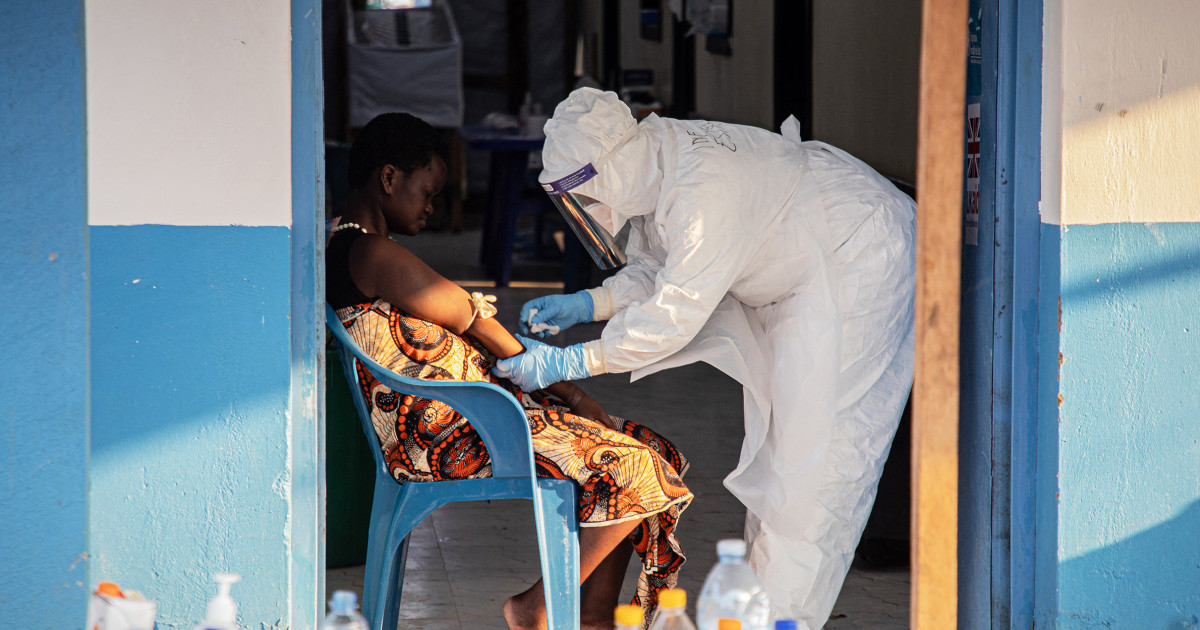
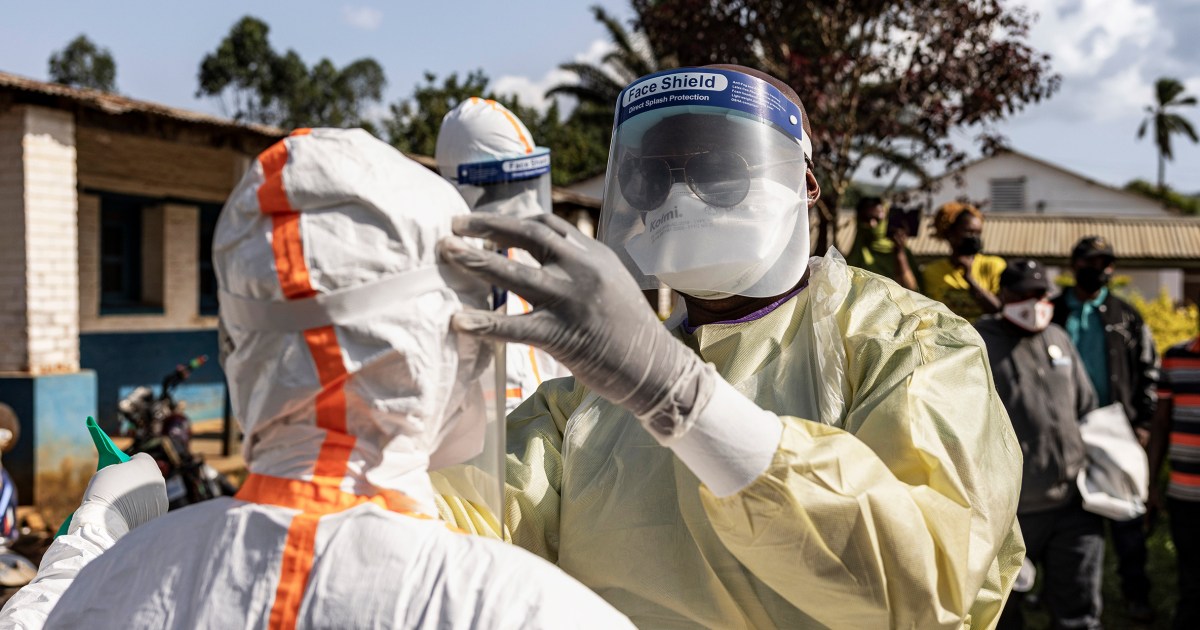
The Ebola epidemic in the Democratic Republic of the Congo has surpassed 1,000 confirmed cases, complicating medical response as health officials struggle with a lack of specific vaccines for the rare Bundibugyo strain.

The Ebola epidemic currently unfolding in the eastern Democratic Republic of the Congo (DRC) reached a grim milestone as confirmed cases surpassed 1,000. As of 20 June 2026, health officials reported 1,003 confirmed cases. This event marks the 17th Ebola outbreak in the country and is driven by the rare Bundibugyo ebolavirus. Because existing Ebola vaccines and treatments were designed for the Zaire ebolavirus species, the World Health Organization (WHO) has cautioned that current medical countermeasures are not applicable, and there are no currently approved vaccines or specific treatments for this strain.
While the outbreak was officially declared on 15 May 2026, health authorities and experts have expressed concern regarding the virus's true origins and timeline. Dr. Jean Kaseya, Director-General of the Africa Centres for Disease Control and Prevention, noted the difficulty in establishing a clear starting point for the epidemic.
Related media

"If you want to control an outbreak, especially Ebola outbreak, you must know the index case. We don’t have confidence on when this outbreak started,"
Dr. Jean Kaseya, Director-General, Africa Centres for Disease Control and Prevention, via AP News
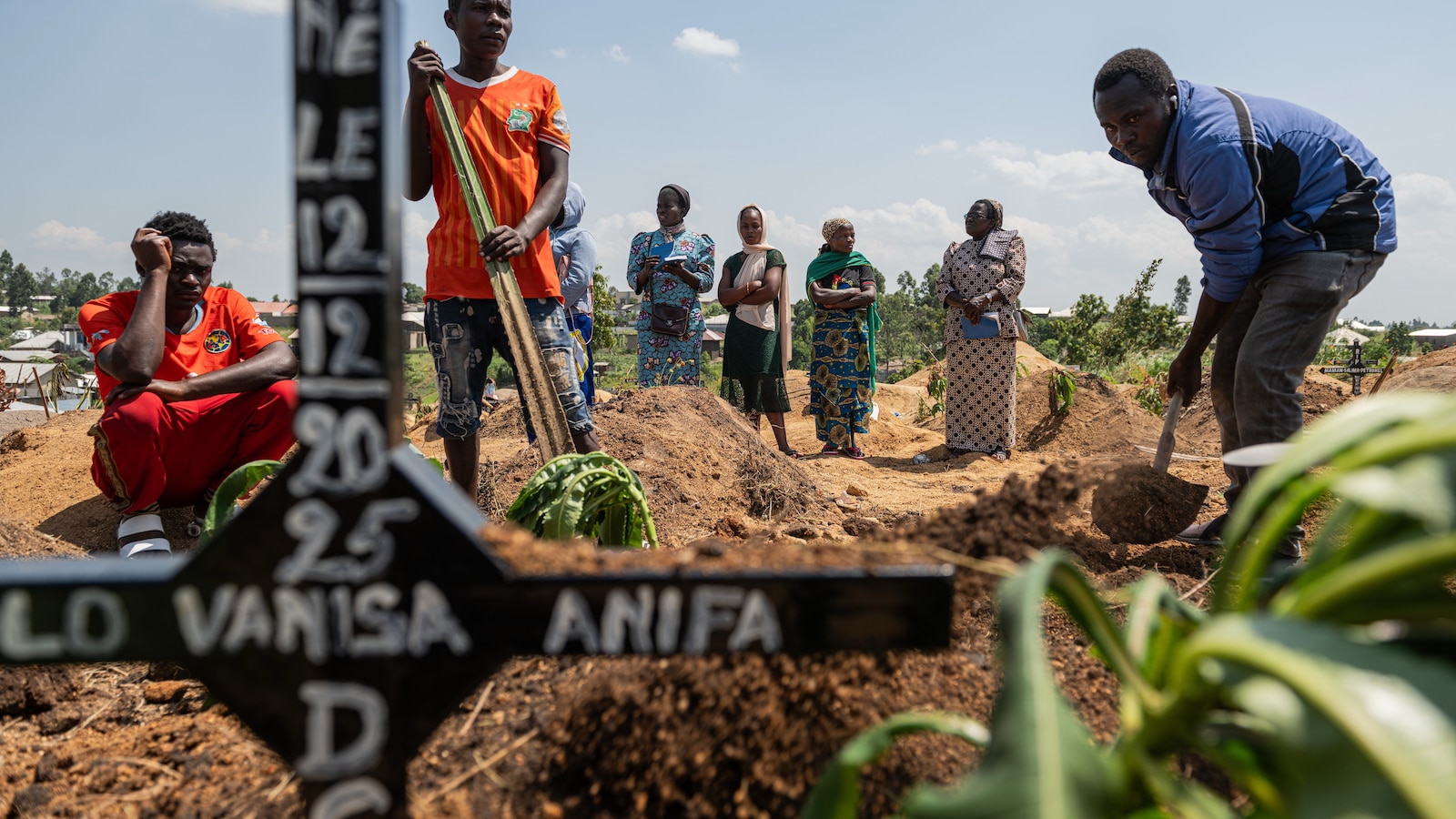
Researchers theorize that the virus may have entered human populations as early as January or February 2026. Evidence suggests a potential spillover event linked to a pastor’s funeral in Mongbwalu on 4 February 2026, where the handling of a body preceded a surge in deaths with Ebola-like symptoms. The earliest identified individual experiencing symptoms was a man in Ituri on 24 April 2026, Who died four days later.
The operational response remains constrained by regional instability. Armed groups, including the Allied Democratic Forces, have restricted humanitarian access in Ituri, forcing thousands of civilians to flee their homes. This conflict has severely hampered public health efforts. Local authorities have only achieved a 55% coverage rate for contact tracing, leaving significant gaps in isolating transmission chains. Officials are struggling to track more than 35,000 people who have potentially come into contact with infected individuals.
The humanitarian risk is especially high for displaced populations. At the Kigonze displacement camp in Bunia, which hosts more than 20,000 people, officials reported an unprecedented rate of deaths in mid-June. While no cases have been confirmed at the site, the mortality rate has prompted urgent calls for investigation.
"If a disease or epidemic were to spread among the thousands of people living at this site, it would be a real catastrophe given our already very precarious living conditions,"
Charité Banza, civil society leader, via CBS News
The virus has expanded beyond the epicenter of Ituri into the North Kivu and South Kivu provinces. Furthermore, the disease has moved across international borders, with imported cases reported in Uganda’s capital, Kampala, and a case identified in France involving a doctor who returned from a humanitarian mission in the DRC. Another American physician who treated patients in Ituri was medically evacuated to Germany and subsequently recovered.
In response to these developments, international partners have mobilized support. The United Kingdom pledged £20 million to assist affected communities, while the United States committed $112 million for diagnostic equipment, personal protective equipment, and contact tracing. The European Union has also provided €15 million in funding. To address the lack of specific countermeasures, the WHO is facilitating the PARTNERS clinical trial protocol, which aims to evaluate candidate vaccines and treatments, including remdesivir and monoclonal antibodies like MBP-134 and maftivimab.
As the outbreak continues, medical charities such as Médecins Sans Frontières have established treatment centers in Bunia, Goma, and Mongbwalu. However, the response is frequently interrupted by local resistance, including attacks on burial teams and the escape of patients from isolation facilities due to fear or the need to seek food.
How significant is this development?
Contribute your assessment to the aggregated reader intelligence ledger.
Archypedia is dedicated to independent, evidence-backed reporting. This briefing was synthesized from primary source reporting, corroborated across independent newsrooms, and verified against our Editorial Standards.
Transparency record
Evidence behind this report
This report synthesizes 6 distinct sources. Open the source ledger below to compare the underlying coverage.
Prepared under the Archypedia Editorial Policy by the Lina Park editorial desk profile. AI-assisted tools may support drafting and verification; public accountability remains with Archypedia. Report an error.