DR Congo: Ebola continues to spread, death toll passes 500
As the Bundibugyo Ebola outbreak spreads in the DRC, health authorities and humanitarian agencies are working to provide care amid regional conflict.
The Ebola outbreak currently gripping the eastern Democratic Republic of the Congo (DRC) continues to expand, with health authorities reporting a significant surge in cases and fatalities.
Since the outbreak was officially declared on 15 May 2026, the disease has proven difficult to contain. The epidemic is caused by the Bundibugyo strain of the virus, a rare and particularly deadly species for which there is currently no approved vaccine or specific cure. The situation remains most severe in Ituri Province, which serves as the epicenter and accounts for the vast majority of confirmed cases. However, the virus has also spread into North Kivu and South Kivu provinces.
Related media
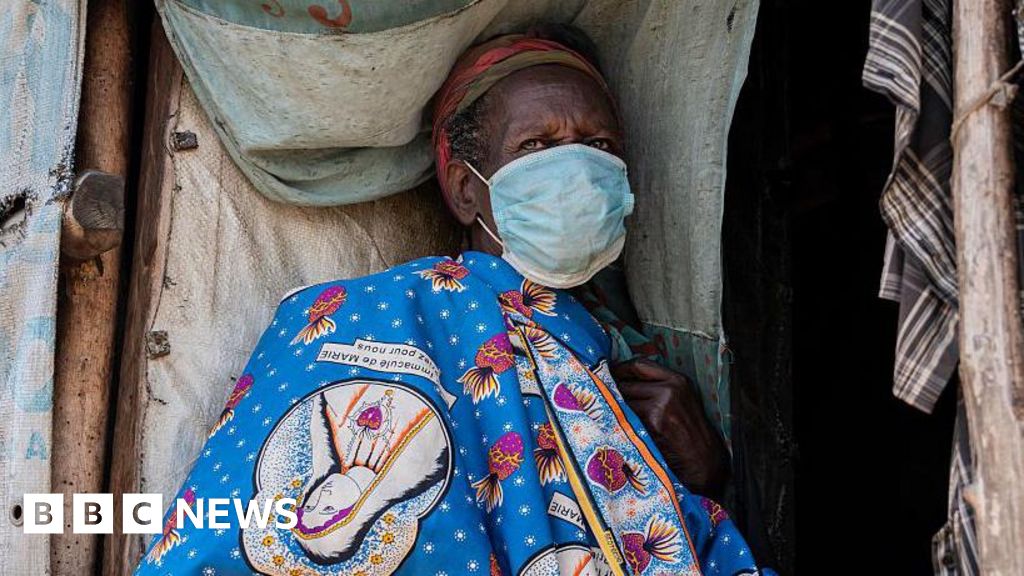

The medical charity Médecins Sans Frontières (MSF) has described the situation as deeply alarming
. MSF leadership noted that no previous Ebola outbreak has recorded such a high number of cases so soon after its initial declaration. The true scale of the epidemic remains difficult to define, as surveillance teams race to track thousands of contacts while grappling with significant security constraints and logistical hurdles.
Operational Challenges and Security
The response is unfolding against a backdrop of long-standing regional instability. In eastern DRC, armed conflict involving the Alliance Fleuve Congo/23 March Movement (AFC/M23) and the Congolese Army (FARDC) has intensified, particularly in South Kivu and Ituri. According to reports from the United Nations Office for the Coordination of Humanitarian Affairs (OCHA), recent violence, including drone attacks, has triggered large-scale displacements. At least 6,000 people have fled recent fighting in the Fizi, Mwenga, and Uvira territories, complicating efforts to provide medical care and contain the virus.
Humanitarian aid is further restricted by critical funding gaps. Less than 54 percent of the $1.4 billion required for the DRC’s annual humanitarian appeal has been received. This shortfall leaves millions, including over 3.4 million displaced people residing in outbreak-affected areas, in a precarious position. Poor water, sanitation, and hygiene conditions in displacement sites, such as the Kigonze site in Bunia, remain a primary concern for health officials.
Response and Clinical Progress
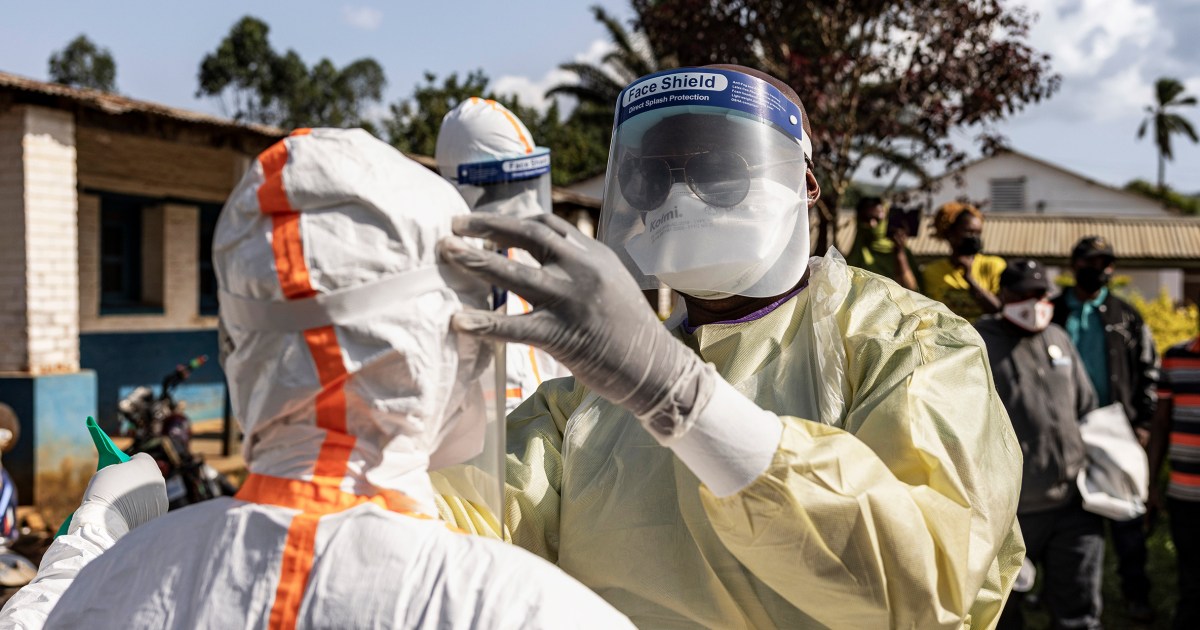
Despite these barriers, health officials have reported progress in diagnostic capacity. Daily laboratory capacity has increased from 30 tests in Kinshasa to over 2,000, supported by 10 decentralized laboratories across affected provinces, including a newly opened facility in Bunia. This has drastically reduced the time required to return results, which previously necessitated transporting samples over 1,500 kilometers to the capital.
As of 2 July 2026, a clinical trial began to evaluate two potential therapies: the monoclonal antibody MBP134 and the antiviral remdesivir. These drugs are being administered alone or in combination to assess their potential to improve survival rates. While health workers continue to work at saturation point, the Who has successfully scaled up treatment bed capacity from zero to approximately 700 across 22 facilities, with plans to add 300 more.
Regional Impact
The virus has crossed into neighboring Uganda, which has documented 19 cases and two deaths. Most of these infections are linked to individuals traveling from the DRC for medical care. WHO has stated that the risk of transmission in the broader African region remains low, though it is assessed as high for countries sharing land borders with the affected areas due to population mobility and cross-border trade.
What to Watch Next
- Clinical Trial Results: The ongoing evaluation of MBP134 and remdesivir to determine efficacy against the Bundibugyo virus.
- Surveillance in Conflict Zones: Efforts by local and international teams to maintain contact tracing in areas controlled by non-state armed groups.
- Vaccine Development: Ongoing assessments by the Strategic Advisory Group of Experts (SAGE) regarding potential candidate vaccines for this specific strain.
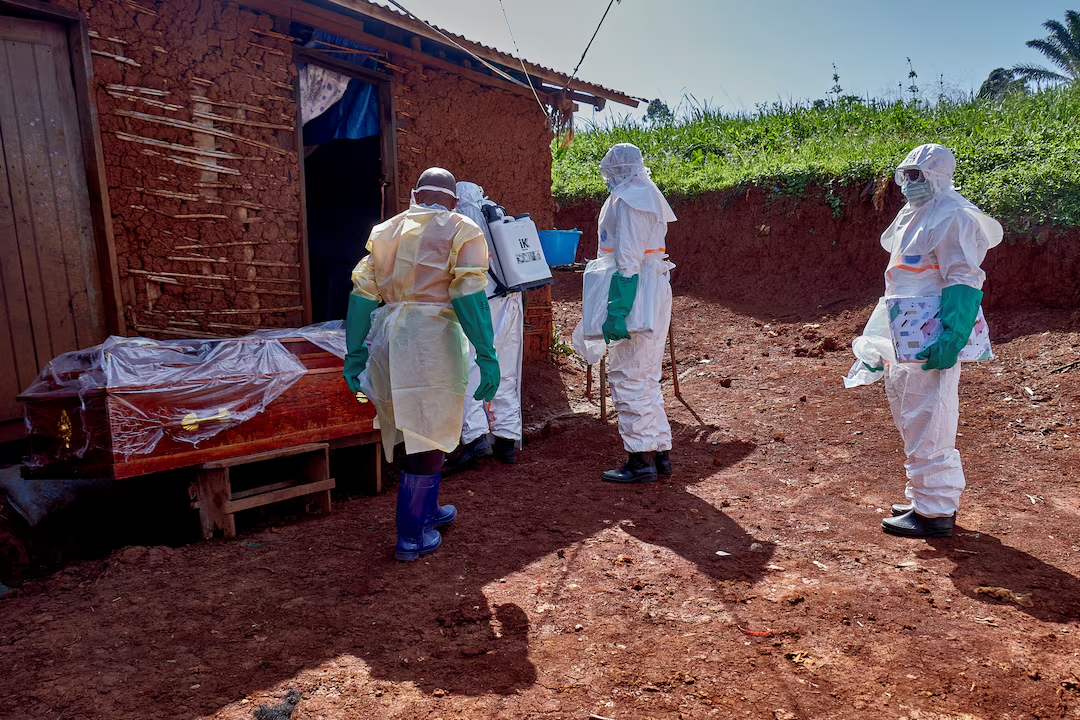
As the outbreak continues, experts reiterate the importance of safe burial practices, as the bodies of victims remain highly infectious. Public health officials emphasize that early diagnosis and timely access to quality care remain the most effective tools to prevent further loss of life during this rapidly evolving health emergency.
How significant is this development?
Contribute your assessment to the aggregated reader intelligence ledger.
Archypedia is dedicated to independent, evidence-backed reporting. This briefing was synthesized from primary source reporting, corroborated across independent newsrooms, and verified against our Editorial Standards.
Transparency record
Evidence behind this report
This report synthesizes 5 distinct sources. Open the source ledger below to compare the underlying coverage.
Prepared under the Archypedia Editorial Policy by the Lina Park editorial desk profile. AI-assisted tools may support drafting and verification; public accountability remains with Archypedia. Report an error.