Ebola outbreak spreads in DR Congo as confirmed cases surpass 800
Health officials report that the Ebola outbreak in the Democratic Republic of Congo is expanding due to population movement and a lack of approved vaccines.
The Ebola outbreak currently affecting the Democratic Republic of Congo remains in an active phase of expansion, according to statements made Tuesday, 7 July 2026. As of this date, the World Health Organization has confirmed 1,561 cases and 506 deaths, marking it as the most significant occurrence of the rare Bundibugyo species of the virus on record. While official counts are rising, health authorities warn that the epidemic is likely larger than current figures reflect, as many deaths go unreported within the community.
Anne Ancia, the Who representative in Congo, addressed reporters from the epicenter in Bunia, stating that health officials cannot yet characterize the situation as stabilized. The continued spread is largely driven by persistent population movement within the region. Ancia noted that treatment centers in some areas are operating at 90% capacity, and health workers have observed individuals falling ill in the mining town of Mongbwalu who choose to travel to other regions rather than seek local care, effectively accelerating the geographic reach of the virus.
Related media


Outbreak Context and Clinical Challenges
This health crisis is complicated by the nature of the Bundibugyo strain, for which there are no currently approved vaccines or dedicated treatments. The virus is known to have circulated undetected for weeks before the official declaration on 15 May 2026, following the death of a nurse in Bunia. Early diagnostic efforts were hampered because available tests were calibrated to detect more common species of Ebola, such as Zaire or Sudan. The Congolese government has since established four laboratories in Ituri — in Bunia, Mongbwalu, Beni, and Aru — capable of identifying the Bundibugyo species with results delivered within 24 hours.
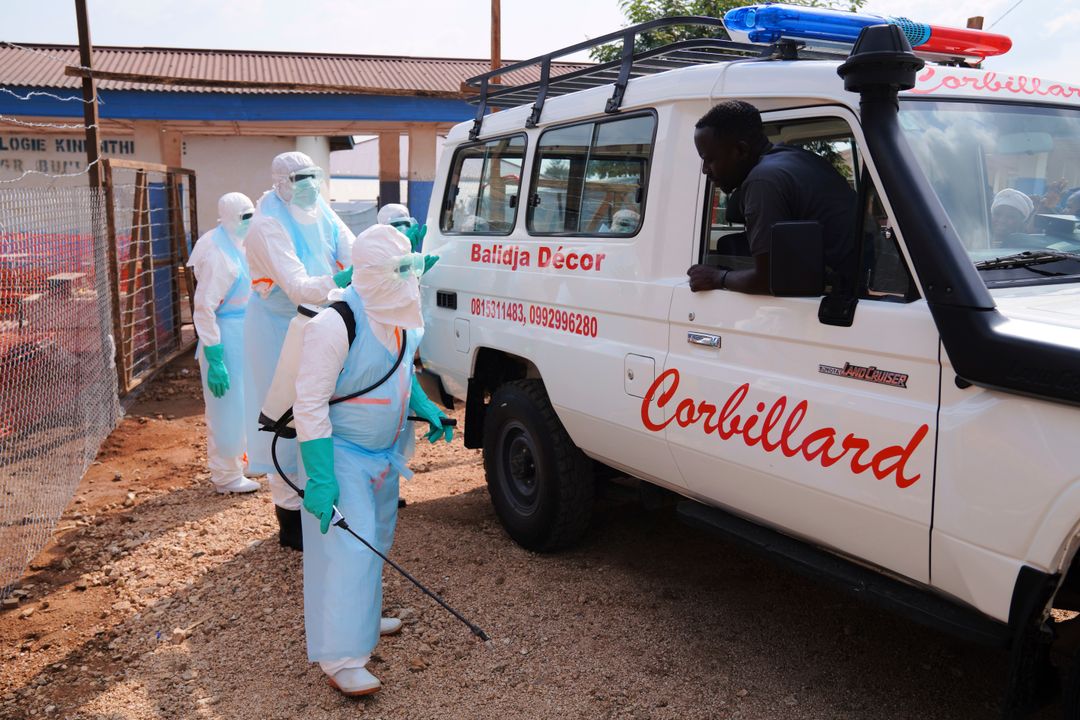
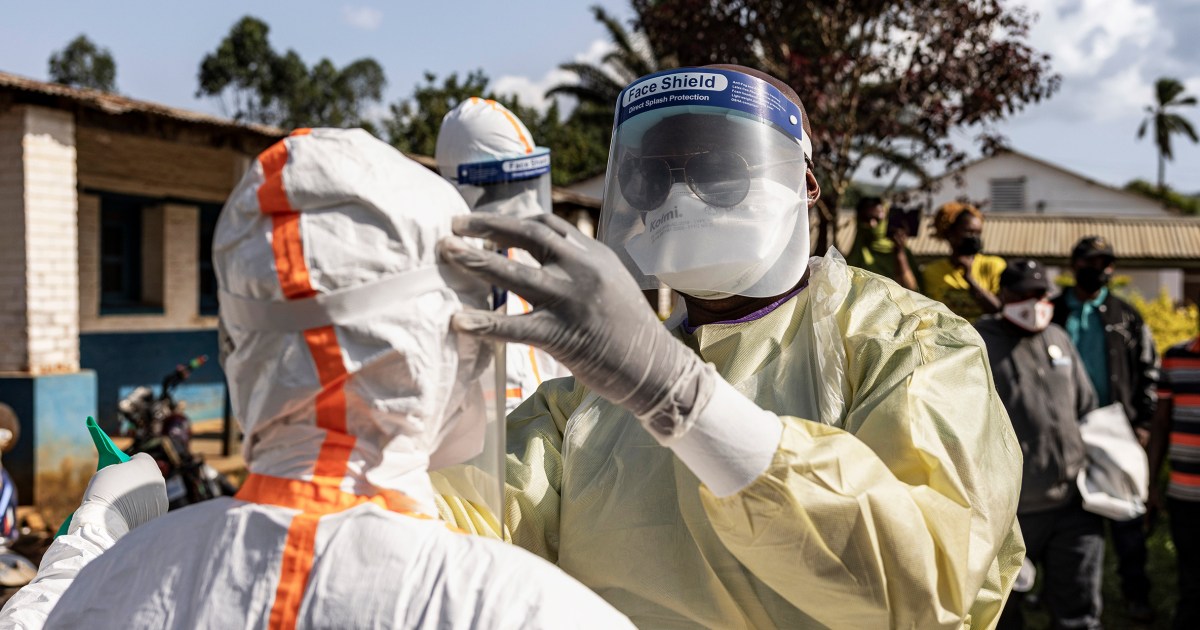
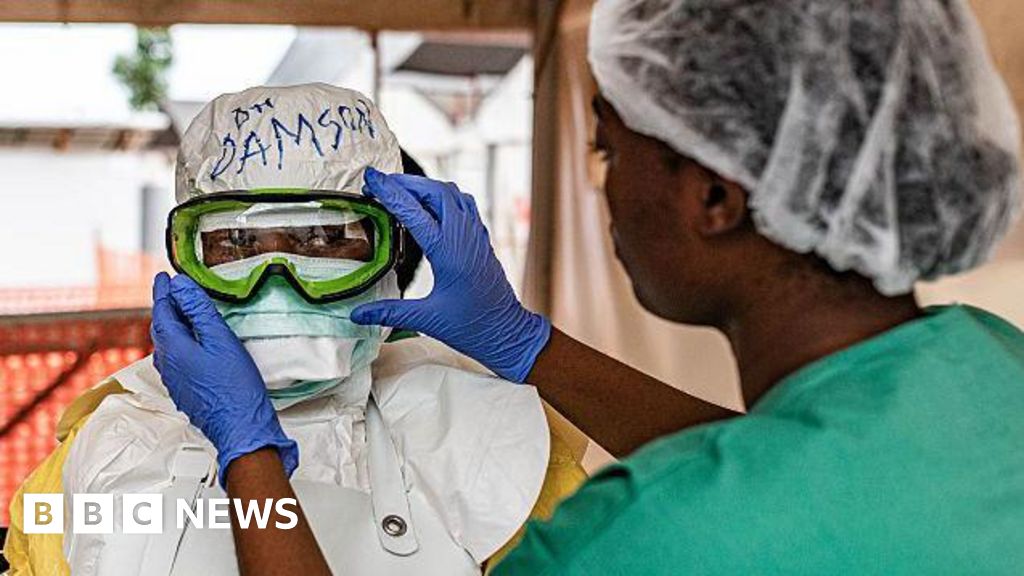
The operational environment is further strained by ongoing conflict, which complicates the logistics of emergency response. Health facilities, particularly in Ituri, North Kivu, and South Kivu provinces, face significant shortages of protective equipment, including gloves, boots, and waterproof overalls. These shortages have exacerbated the risks for frontline medical staff, many of whom have been working with little rest. In early July, healthcare workers in Ituri staged a strike to demand overdue salary payments and improved working conditions. While most staff returned to their posts by 6 July 2026, some groups remain dissatisfied, including those working within displacement camps.
Scientific and Response Measures
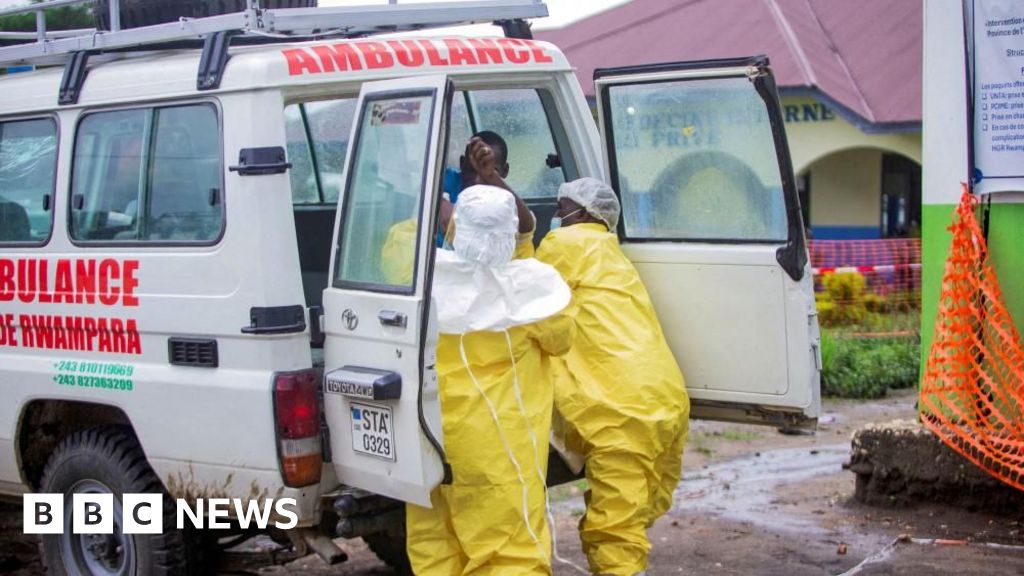
Public health authorities are simultaneously battling deep-seated community mistrust. Misinformation regarding the origin of the disease, with some groups labeling it a mystical illness or witchcraft, has resulted in residents avoiding hospitals or attempting to reclaim the bodies of deceased relatives, which remain highly contagious. The Associated Press reported that an Ebola treatment center in Rwampara was recently burned by a crowd after they were prevented from taking a body home. In response, local governments have implemented bans on mass gatherings and funeral wakes in affected provinces.
Regional Impact and Monitoring
The risk profile remains categorized by the WHO as "very high" within Congo, while regional spread is considered high and global risk remains low. Neighboring Uganda, which has officially closed its border, continues to monitor the situation closely. Ugandan health authorities confirmed that all cases identified within their borders were imported from Congo. Despite official closures, the long, porous border continues to facilitate movement between families who share language and cultural ties, making absolute containment physically difficult.
The government and international partners are continuing to coordinate the distribution of resources and public information campaigns to manage the outbreak's expansion. With the virus appearing in provinces with limited infrastructure and shifting rebel control, responders continue to manage the balance between life-saving medical intervention and the urgent need to build community trust.
How significant is this development?
Contribute your assessment to the aggregated reader intelligence ledger.
Archypedia is dedicated to independent, evidence-backed reporting. This briefing was synthesized from primary source reporting, corroborated across independent newsrooms, and verified against our Editorial Standards.
Transparency record
Evidence behind this report
This report synthesizes 9 distinct sources. Open the source ledger below to compare the underlying coverage.
Prepared under the Archypedia Editorial Policy by the Lina Park editorial desk profile. AI-assisted tools may support drafting and verification; public accountability remains with Archypedia. Report an error.