New NASA Images Reveal Crater Left Behind by SpaceX Rocket Impact on the Moon
Captured by the Lunar Reconnaissance Orbiter, new images reveal a 60-foot-wide depression left by a stranded SpaceX upper stage that struck the Moon at 5,400 mph.

NASA has released the clearest images yet of a 60-foot-wide impact crater near Einstein Crater on the Moon, created when a stranded SpaceX Falcon 9 upper stage slammed into the lunar surface at 5,400 miles per hour (8,690 kilometers per hour) on August 5, according to Gizmodo.
The new photographs, captured between August 11 and August 12 by the Lunar Reconnaissance Orbiter, reveal a depression measuring less than 10 feet (3 meters) deep. The impact was entirely accidental; the roughly 8,800-pound upper stage had been stranded in a highly elliptical orbit since January 15, 2025, when it launched from Kennedy Space Center on a mission carrying a pair of commercial lunar landers, as reported by Yahoo News and LADbible. While that same launch successfully dispatched Firefly Aerospace's Blue Ghost 1 lander—which achieved a historic private lunar landing in March 2025—the rocket's upper stage failed to reenter Earth’s atmosphere and spent more than a year in space before intersecting the Moon's path.
Related YouTube video
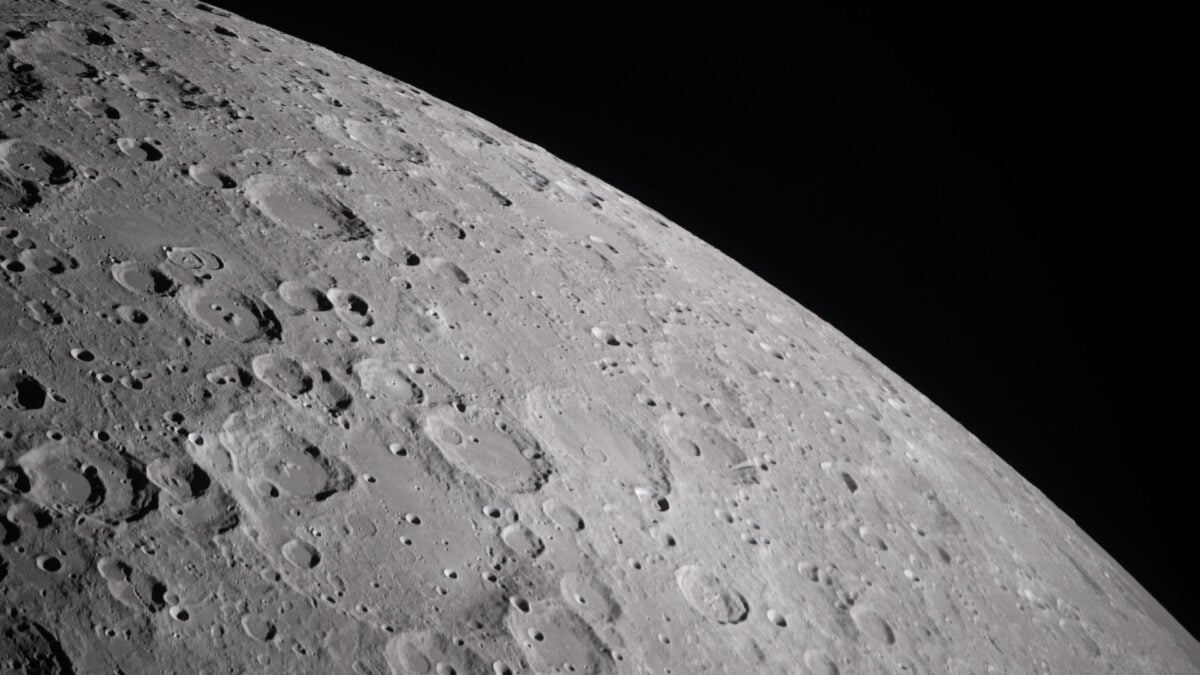

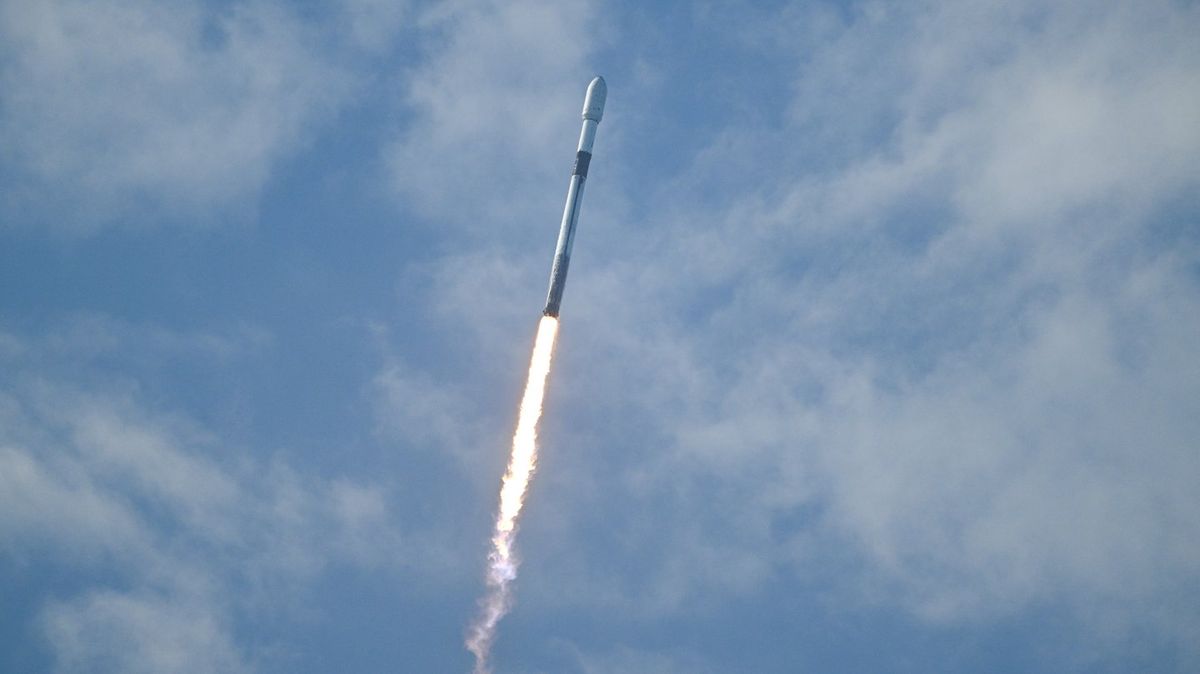
To secure the detailed views, engineers at NASA tilted the spacecraft so its Narrow-Angle Camera could point toward the crater during every pole-to-pole pass from an altitude of about 60 miles (96 kilometers). Because the spacecraft races around the Moon at roughly one mile per second while the lunar body rotates beneath it, timing was extraordinarily tight. Agency officials noted that an error of just 10 seconds in either direction would have caused the targeted area to drift 10 miles off-center.
Global coordination among hobbyists, independent astronomers, and space agencies underpinned the discovery, according to Sciencedaily. Independent observers first tracked the rocket's trajectory using publicly available data, after which NASA's Center for Near Earth Object Studies refined the calculations to test impact-prediction models. Those models successfully pinpointed the eventual impact site within about 0.6 miles.
NASA shared its predicted coordinates with South Korea's Danuri lunar orbiter mission team, whose spacecraft imaged the site mere hours after the collision. The Danuri team subsequently supplied those coordinates back to NASA's LRO team to refine their follow-up imaging sequence. Meanwhile, ground-based astronomers using the European Southern Observatory's Very Large Telescope detected sodium and lithium in the transient debris plume for 5 to 10 minutes, with researchers concluding the sodium originated from lunar soil and part of the lithium likely from the rocket itself.
Pre-impact estimates by scientists had anticipated a slightly larger crater measuring 65 to 100 feet wide and approximately 16 feet deep, making the actual depression both narrower and shallower than expected. Analysis of the LRO Narrow-Angle Camera frames showed dark and bright rays stretching outward from the site. The darker streaks consist of surface dust and rocks weathered over time by solar wind, cosmic rays, and micrometeorite impacts, which were excavated from about 1.5 feet beneath the surface. In contrast, brighter material closer to the rim represents fresh soil pulled from deeper underground, where it had remained shielded from the harsh space environment.
As international space programs ramp up lunar exploration with upcoming crewed and robotic missions from the United States, China, and private enterprises, researchers warn that improving space debris traffic control has become an urgent priority.
Global Collaboration and Future Challenges in Lunar Debris Tracking
The successful localization of the crater relied heavily on international cooperation, as detailed by ScienceDaily and Yahoo News. Following independent tracking by amateur astronomers, NASA's Center for Near Earth Object Studies shared its trajectory predictions with South Korea's Danuri lunar orbiter mission team. The Danuri spacecraft captured early images of the site just hours after the collision, subsequently returning those coordinates to NASA to sharpen the follow-up imaging sequence executed by the Lunar Reconnaissance Orbiter. Furthermore, ground-based observations from the European Southern Observatory's Very Large Telescope captured transient signatures of sodium and lithium in the debris plume.
As international space programs ramp up lunar exploration with upcoming crewed and robotic missions from the United States, China, and private enterprises, researchers have emphasized that improving space debris traffic control is an urgent priority. Scientists noted that the unplanned collision offered a rare, precisely timed test bed for impact prediction models, providing critical empirical data on how debris disperses across the lunar surface. With the Moon emerging as a frequent destination for new landers and future human habitats, the next step involves refining these predictive frameworks and monitoring protocols to safeguard upcoming missions.
How significant is this development?
Contribute your assessment to the aggregated reader intelligence ledger.
Archypedia is dedicated to independent, evidence-backed reporting. This briefing was synthesized from primary source reporting, corroborated across independent newsrooms, and verified against our Editorial Standards.
Transparency record
Evidence behind this report
This report synthesizes 5 distinct sources. Open the source ledger below to compare the underlying coverage.
Prepared under the Archypedia Editorial Policy by the Niko Vale editorial desk profile. AI-assisted tools may support drafting and verification; public accountability remains with Archypedia. Report an error.