French deaths soar as extreme heat breaks European records
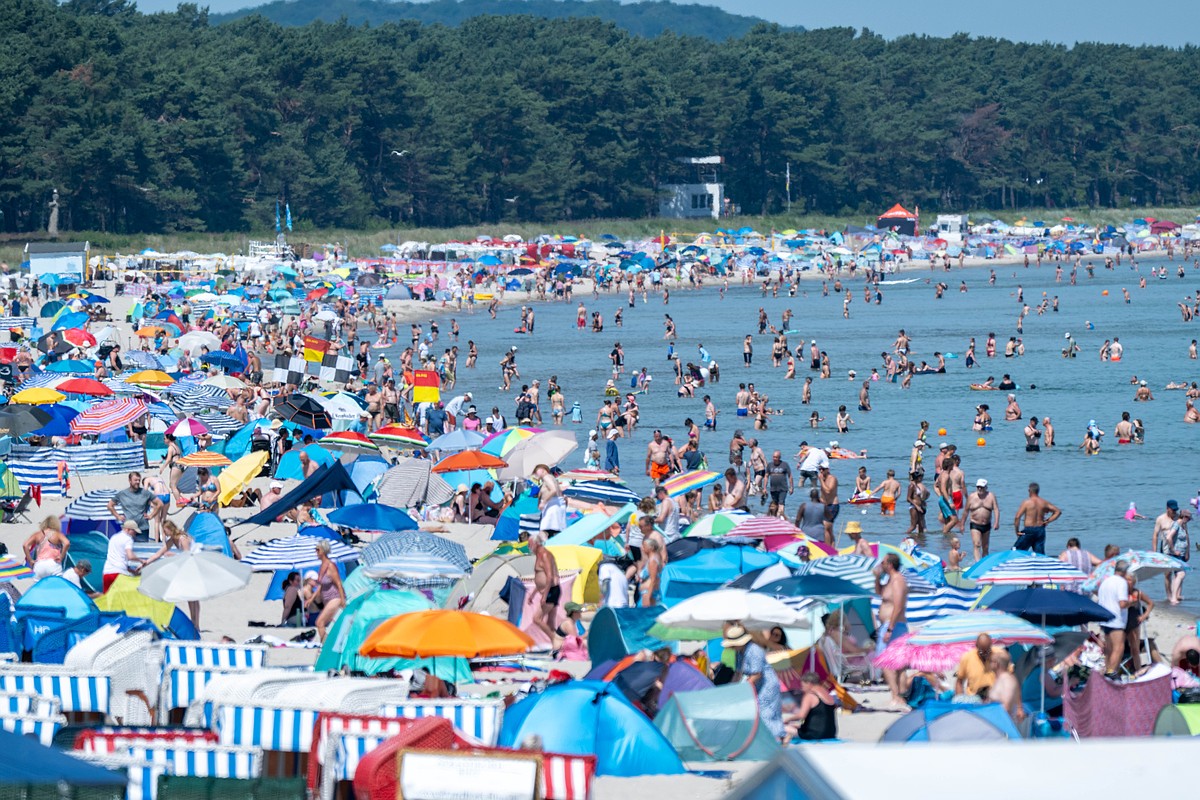
A record-breaking heat wave has caused a surge in mortality in France and triggered infrastructure collapses and wildfires across Europe.

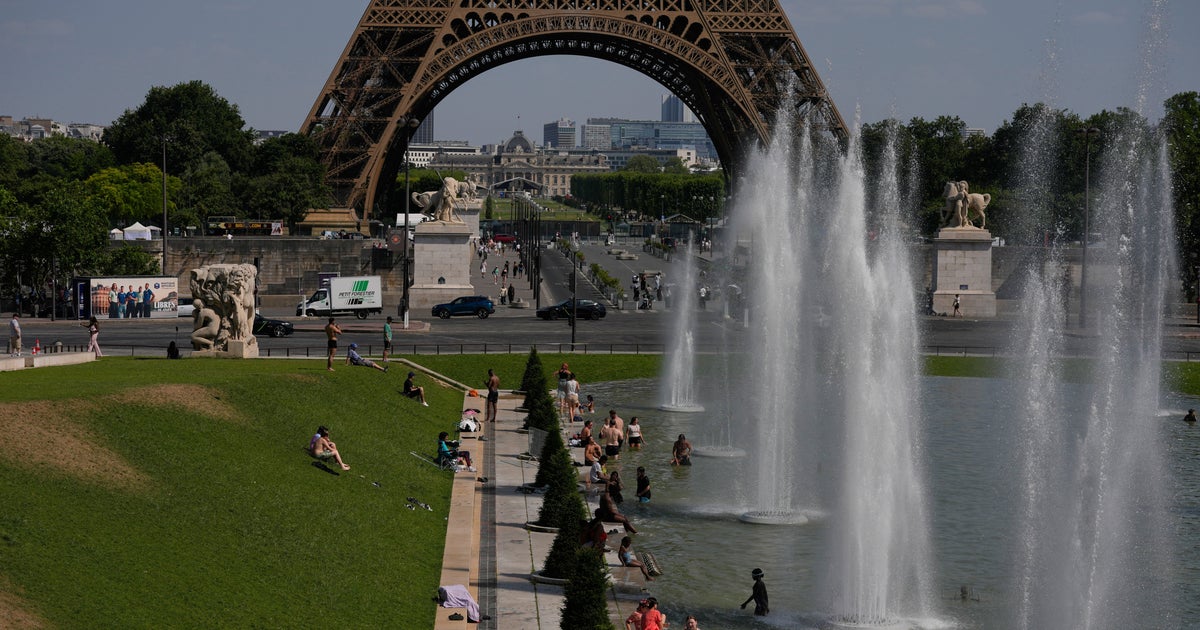
France recorded approximately 1,000 additional deaths during a three-day window last week as a record-smashing heat wave swept across Europe, according to the country's national public health agency. The surge in mortality occurred during the peak of the heat event, specifically on a Wednesday when more than 1,200 people died, followed by more than 1,400 deaths on each of the next two days. For comparison, ABC News reports that France's daily death rate in April and May was between 900 and 1,000.
Public Health France noted that the increase was most pronounced in regions under red warnings for extreme heat, which covered roughly three-quarters of the country. The agency highlighted a sharp rise in deaths occurring at private homes, particularly in the Paris region. Approximately 85% of these fatalities involved individuals aged 65 and above. Health officials cautioned that the estimate of at least 1,000 excess deaths is likely to rise as more data on home deaths is compiled.
Related media
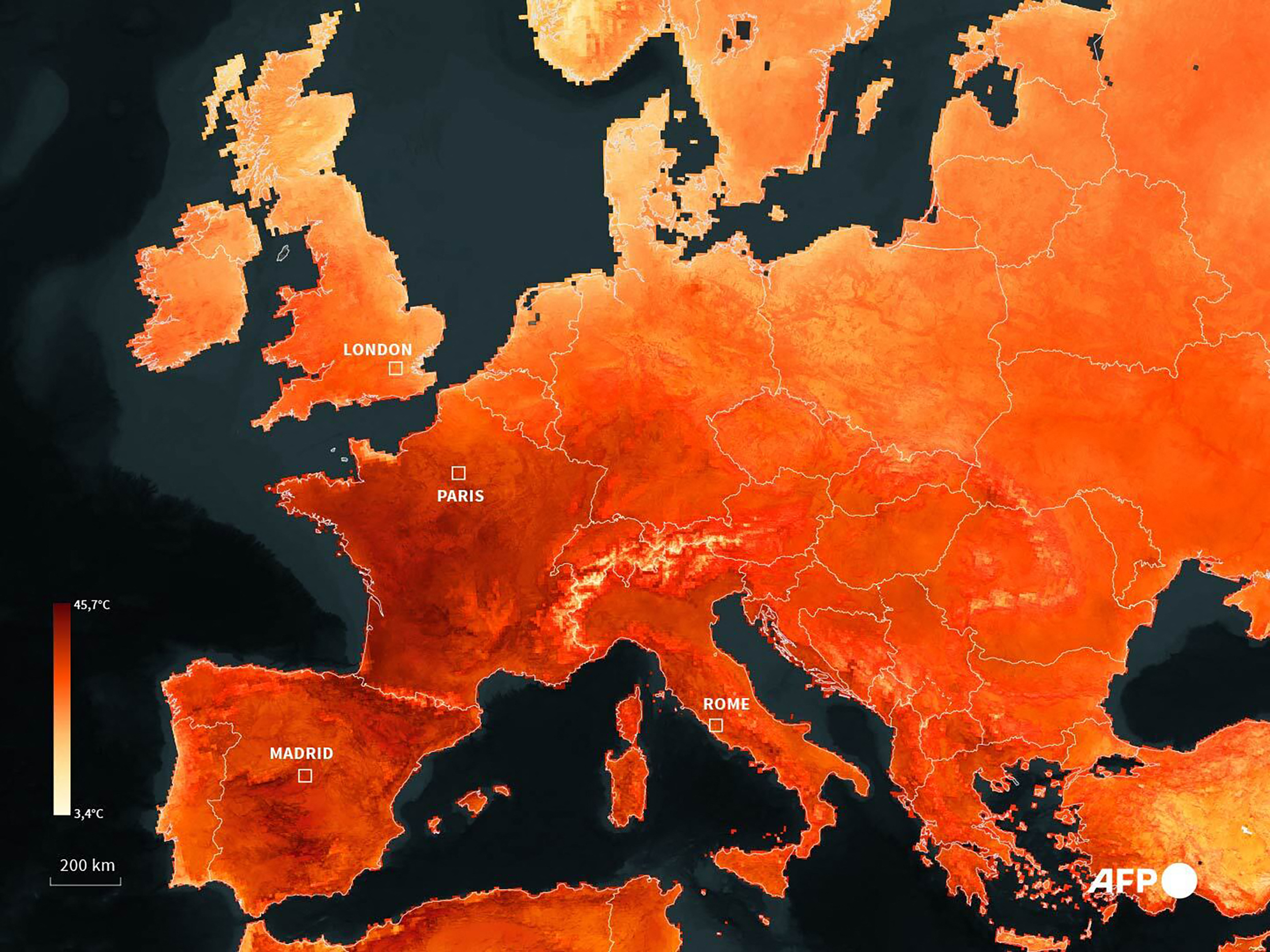

The crisis has drawn a stark warning from the World Health Organization. WHO Director-General Tedros Adhanom Ghebreyesus stated on X that Europe is the fastest-warming continent on Earth, heating at twice the global average
. He reported that 150 million people are currently living under extreme heat and that more than 1,300 excess deaths across Europe have been linked to high temperatures since June 21.
Climate Drivers and Record Temperatures
A study released Friday by World Weather Attribution, a Europe-based scientific collaboration, concluded that the current levels of heat and humidity would have been virtually impossible five decades ago. The analysis suggests the event is 200 times more likely today than it was 20 years ago due to climate change. Tedros Adhanom Ghebreyesus described the situation as a once-in-a-generation
heat wave that is now occurring nearly every year, referring to heat stress as the silent killer
because European infrastructure, including schools and workplaces, was not built for such temperatures.
As the heat wave moved toward the eastern part of the continent, several countries toppled temperature records over the weekend of June 28, 2026:
| Location | Recorded Temperature | Context |
|---|---|---|
| Czech Republic | 41.9 C (107.4 F) | Hottest day ever recorded in the country |
| Neißemünde, Germany | 41.7 C (107 F) | New record set on the third consecutive day |
| Möckern-Drewitz, Germany | 41.5 C (106.7 F) | Daytime record according to the German Weather Service |
| Kubschütz, Germany | 29.4 C (84.9 F) | Warmest nighttime minimum ever measured in Germany |
Infrastructure Collapse and Public Chaos
The extreme temperatures caused cascading failures across German infrastructure. Concrete surfaces on numerous highways broke up, and the national rail operator, Deutsche Bahn, issued a warning for passengers to avoid all unnecessary train travel. In Leipzig, the Public Transportation Authority suspended all tram services until early Monday morning after high temperatures caused asphalt and concrete joint sealants to run and clump together on tracks and switches.
One severe incident occurred in Brandenburg, where a tree fell onto a power line during a storm on Saturday evening. More than 600 passengers were trapped on an overheated train traveling from Hamburg to Prague. With air conditioners failed and doors locked, emergency responders had to force the doors open; two people were hospitalized for heat-related issues, according to dpa reporting via the Los Angeles Times.
In Berlin, the pressure on emergency services manifested in 500 additional ambulance dispatches on Saturday, mostly for heat-related illnesses. To provide relief, Berlin police deployed two large water cannons — typically used for dispersing protesters — in front of the Brandenburg Gate to spray tourists and residents.
Wildfires and Unexploded Ordnance
The heat triggered dangerous wildfires in Germany, complicated by remnants of World War II. In Gohrischheide, eastern Germany, firefighters faced challenges battling a forest fire in an area contaminated with wartime ammunition. A similar operation in southwest Germany near Traisen was temporarily suspended after buried ordnance began exploding, requiring the deployment of a bomb disposal unit. Some 650 residents of Traisen were forced to evacuate their homes on Sunday afternoon as the fire spread.
Other regions are facing similar threats. The Civil Protection agency in Greece issued very high fire risk
warnings for five regions on Sunday. Greek authorities have begun using innovative space technology to combat fires across the mountainous mainland and its more than 100 inhabited islands, according to Huffpost.
Severe Weather Shifts
In northern Europe, record heat was followed by violent storms. Denmark reported 1,156 lightning strikes by Sunday morning. In Sweden, the TT news agency reported that three adults were hospitalized, including one woman with serious injuries, after lightning struck the Tosselilla Sommarland amusement park in Tomelilla.
How significant is this development?
Contribute your assessment to the aggregated reader intelligence ledger.
Archypedia is dedicated to independent, evidence-backed reporting. This briefing was synthesized from primary source reporting, corroborated across independent newsrooms, and verified against our Editorial Standards.
Transparency record
Evidence behind this report
This report synthesizes 10 distinct sources. Open the source ledger below to compare the underlying coverage.
- apnews.com
- abcnews.com
- huffpost.com
- latimes.com
- ibtimes.com
- ksat.com
- srnnews.com
- wndu.com
- bostonglobe.com
- irishtimes.com
Prepared under the Archypedia Editorial Policy by the Samir Haddad editorial desk profile. AI-assisted tools may support drafting and verification; public accountability remains with Archypedia. Report an error.