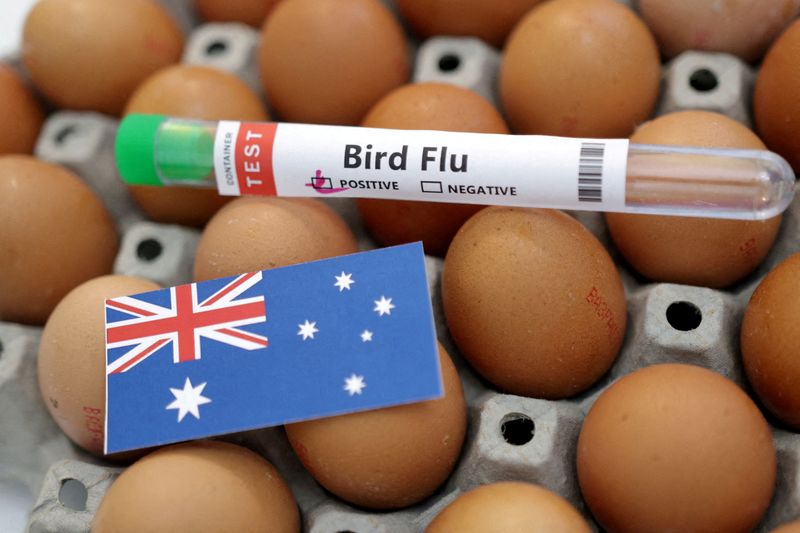
Australia detects more H5 avian flu cases in wild migratory seabirds
Federal authorities confirmed the first H5 avian influenza cases on the Australian mainland after testing migratory seabirds. While no poultry cases exist, authorities have increased surveillance to protect native wildlife.
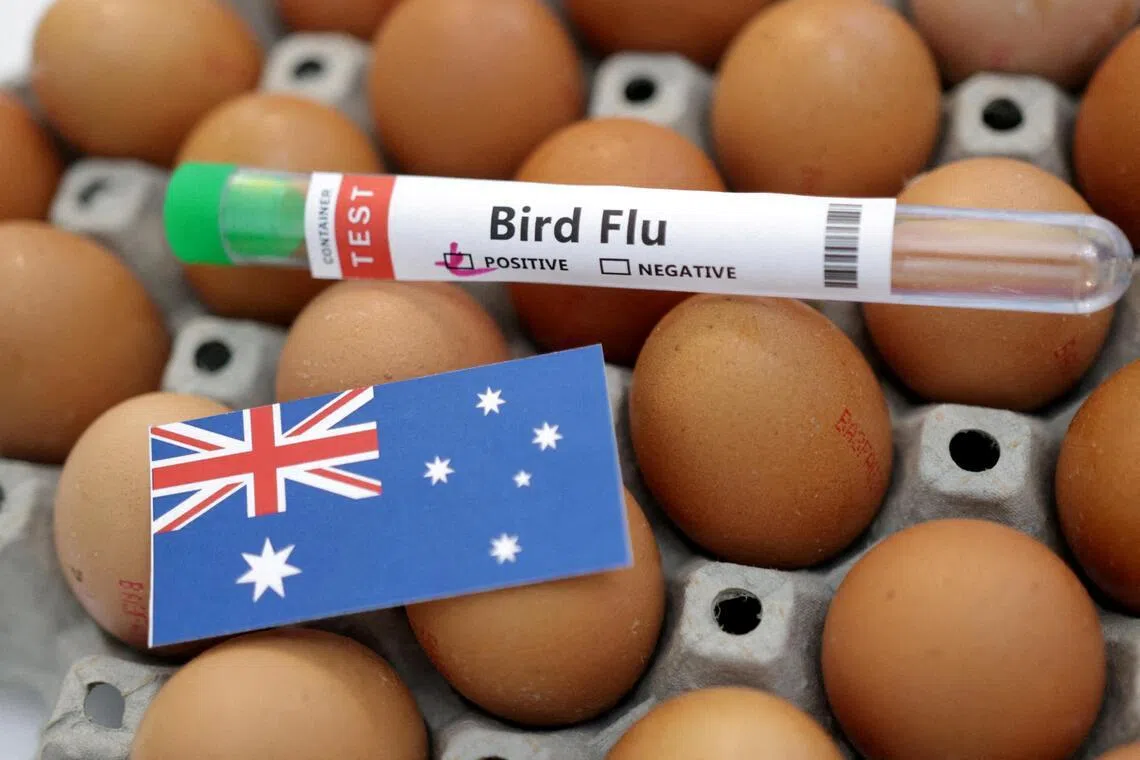
Australia has confirmed the presence of the H5 avian influenza virus on its mainland, marking the end of the country’s status as the only continent free of the strain. Federal Agriculture Minister Julie Collins confirmed that a migratory brown skua, discovered in poor health at Cape Le Grand National Park in Western Australia on June 14, died from the H5N1 virus. This confirmation followed testing conducted by the Australian Centre for Disease Preparedness, an arm of the Commonwealth Scientific and Industrial Research Organisation.
A second giant petrel, also discovered near Esperance in Western Australia, has tested positive at a state laboratory, pending further confirmation from federal authorities. Chief veterinary officer Beth Cookson stated that current detections are limited to vagrant migratory seabirds that visit the southern coast of the country. Officials noted that it is not considered typical for these species to frequent the southern coastline, though birds may drift off course when suffering from illness.
While the virus has caused significant mortality among wildlife elsewhere—including more than 13,000 southern elephant seal pups on Heard and McDonald Islands—authorities report there is no evidence of mass mortality events on the Australian mainland at this time. Furthermore, no cases have been detected within the nation’s commercial poultry or agricultural production systems. In response to the detections in Western Australia, the chicken producer Inghams Group implemented a complete lockdown at its Western Australian operations, despite the absence of the virus in their facilities.
The federal government has allocated $113 million toward preparedness measures. Ongoing efforts involve increased surveillance and the coordination of state and territory responses. While the risk to human health is classified as low, experts emphasize that the virus can be dangerous. According to the Australian Centre for Disease Control, human infections remain rare, typically occurring through direct contact with infected poultry or contaminated environments. Symptoms in humans can include fever, cough, sore throat, conjunctivitis and muscle aches and pains.
The potential arrival of the virus has raised alarms among environmental groups regarding the safety of native species. Wildlife experts and the Invasive Species Council have warned that the virus could impact endemic populations, including the Australian sea lion, the orange-bellied parrot, and various coastal raptors. Previous outbreaks of other avian influenza strains in Australia, such as H7N8 and H7N3, were historically contained to poultry sectors and successfully eliminated. However, the high pathogenicity of the current H5 strain remains a primary concern for biodiversity.
State and territory leaders are scheduled to meet to determine further surveillance strategies. Public health officials continue to advise the community to avoid physical contact with sick or deceased wildlife. Sightings of such animals should be reported via the national emergency animal disease hotline or the government’s dedicated avian influenza website.
How significant is this development?
Contribute your assessment to the aggregated reader intelligence ledger.
Archypedia is dedicated to independent, evidence-backed reporting. This briefing was synthesized from primary source reporting, corroborated across independent newsrooms, and verified against our Editorial Standards.
Transparency record
Evidence behind this report
This report synthesizes 4 distinct sources. Open the source ledger below to compare the underlying coverage.
Prepared under the Archypedia Editorial Policy by the Lina Park editorial desk profile. AI-assisted tools may support drafting and verification; public accountability remains with Archypedia. Report an error.