Paleo diet results improve by prioritizing nutrient timing over food lists
New research suggests that Paleo success depends on metabolic flexibility and nutrient timing rather than strict food lists. Scientists have identified the MTCH2 protein as a key regulator in how cells manage energy and store fat.

Adhering strictly to ancestral food lists may be insufficient for modern health goals, as new evidence suggests that nutrient timing and metabolic flexibility play a more decisive role in physical outcomes than food selection alone. While the Paleo diet remains a popular framework for minimizing processed intake, practitioners often report persistent fatigue, inflammation, or lackluster results despite strict adherence to traditional guidelines.
The Case for Nutrient Timing
Chronic cortisol elevation can reduce mineral absorption by up to 60%, making traditional paleo food lists insufficient without strategic supplementation. This stress-induced nutrient blocking affects magnesium, zinc, and iron absorption most severely, explaining why many paleo dieters experience fatigue and mood issues despite eating nutrient-dense foods.
Related media

Strategic timing offers a solution to these metabolic roadblocks. The paleo protocol is specific: 20-25g of marine collagen within 30 minutes of waking, followed by grass-fed bone broth 45 minutes later. Omega-3s and omega-6s require about 4 hours between them to avoid competing for absorption.
Metabolic Flexibility and the "Mitch" Discovery
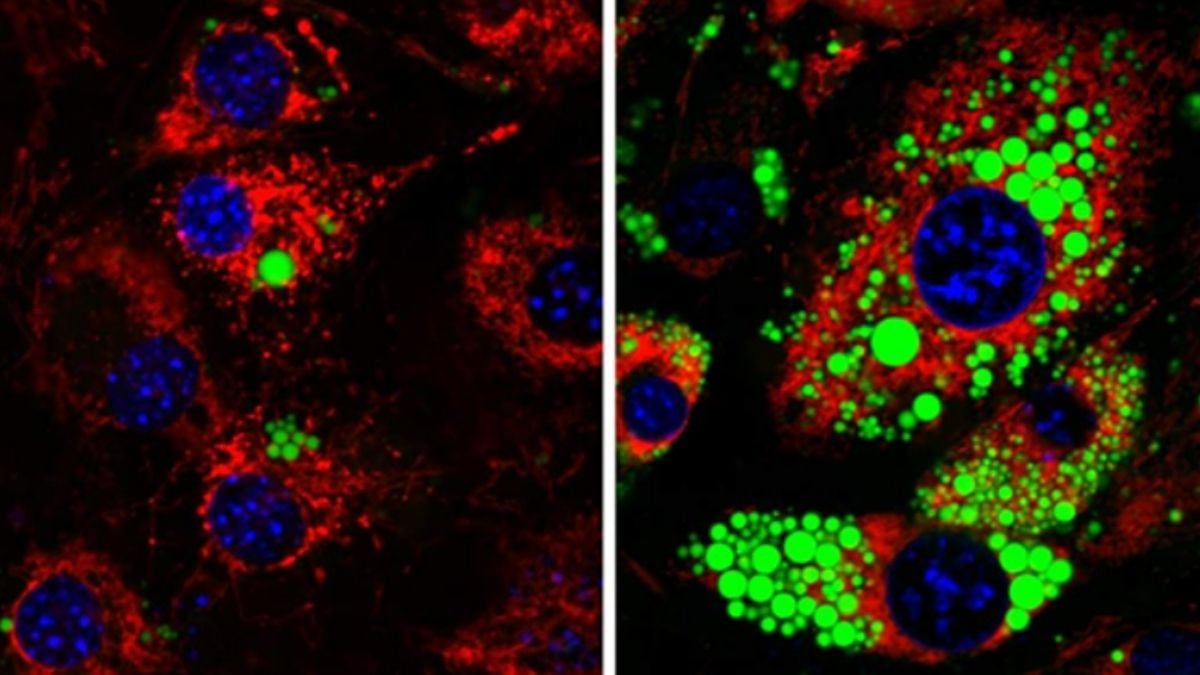
Beyond daily timing, successful long-term outcomes depend on restoring metabolic flexibility—the ability of cells to switch efficiently between burning carbohydrates and fats. Scientists at the Weizmann Institute of Science, in a study published on 24 June 2026, have identified a protein called MTCH2, nicknamed "Mitch," that appears to play a major role in how cells manage energy and store fat.
Research led by the Weizmann Institute of Science demonstrates that this protein inhibits mitochondrial fusion, keeping energy engines in a less efficient state. When Mitch is absent, cells compensate by accelerating the burning of fuels, including carbohydrates and fats. As noted by biologists Sabita Chourasia and Atan Gross, this mechanism forces cells to rely more heavily on fatty building blocks for energy. While this discovery is currently limited to laboratory cell analysis, it provides a potential pathway for future obesity treatments that could burn fat while preserving muscle mass—a frequent side effect of current GLP-1 medications like Ozempic.
"After deleting Mitch, we examined, every few hours, the effect that had on more than 100 substances taking part in metabolism in human cells. We saw an increase in cellular respiration, the process in which the cell produces energy from nutrients, such as carbohydrates and fats, using oxygen. This explains the increase in muscular endurance in previous experiments using mice."
Sabita Chourasia, Biologist, via ScienceAlert
"We discovered that deleting Mitch led to a major drop in fats in membranes. At the same time, we saw an increase in fatty substances used to produce energy, and we realized that the fat was being broken down from the membrane to be used as fuel. In other words, we showed that Mitch determines the fate of fat in human cells."
Atan Gross, Biologist, via ScienceAlert
Personalization Over Standardization
The "one-size-fits-all" approach to Paleo is increasingly viewed as a limitation. Individual genetic markers significantly alter how a person responds to ancestral diets:
- APOE4 Variants: Individuals with APOE4 genetic variants process saturated fats differently, requiring modified paleo protocols that emphasize marine fats over terrestrial animal fats to avoid inflammation.
- MTHFR Mutations: MTHFR mutations prevent proper conversion of folate to its active form, requiring either methylated supplements or specific food preparation techniques, such as fermentation, to avoid deficiency.
- Cross-Reactivity: The immune system can mistake paleo-approved foods, such as coffee, chocolate, or certain nuts, for eliminated grains and dairy due to molecular mimicry, causing continued inflammation despite strict adherence.
What to Watch Next
To improve results within a Paleo framework, practitioners are advised to move beyond simple food lists and consider the following shifts in strategy:
| Focus Area | Recommended Action |
|---|---|
| Nutrient Timing | Consume protein early in the day; space omega-3/6 sources 4 hours apart. |
| Stress Management | Practice 10 minutes of deep breathing before meals to improve mineral absorption. |
| Carb Cycling | Align carbohydrate intake with seasons or post-workout windows to mimic natural energy shifts. |
| Elimination | Systematically remove nightshades or high-FODMAP foods if digestive issues persist after 30 days. |
As researchers continue to examine the MTCH2 protein, the findings highlight a potential future for obesity treatment that prioritizes metabolic efficiency. In the meantime, success on the Paleo diet appears to be less about strictly adhering to a prehistoric menu and more about adapting ancestral principles to the realities of modern genetics, environmental stressors, and circadian biology.
How significant is this development?
Contribute your assessment to the aggregated reader intelligence ledger.
Archypedia is dedicated to independent, evidence-backed reporting. This briefing was synthesized from primary source reporting, corroborated across independent newsrooms, and verified against our Editorial Standards.
Transparency record
Evidence behind this report
This report synthesizes 5 distinct sources. Open the source ledger below to compare the underlying coverage.
Prepared under the Archypedia Editorial Policy by the Niko Vale editorial desk profile. AI-assisted tools may support drafting and verification; public accountability remains with Archypedia. Report an error.