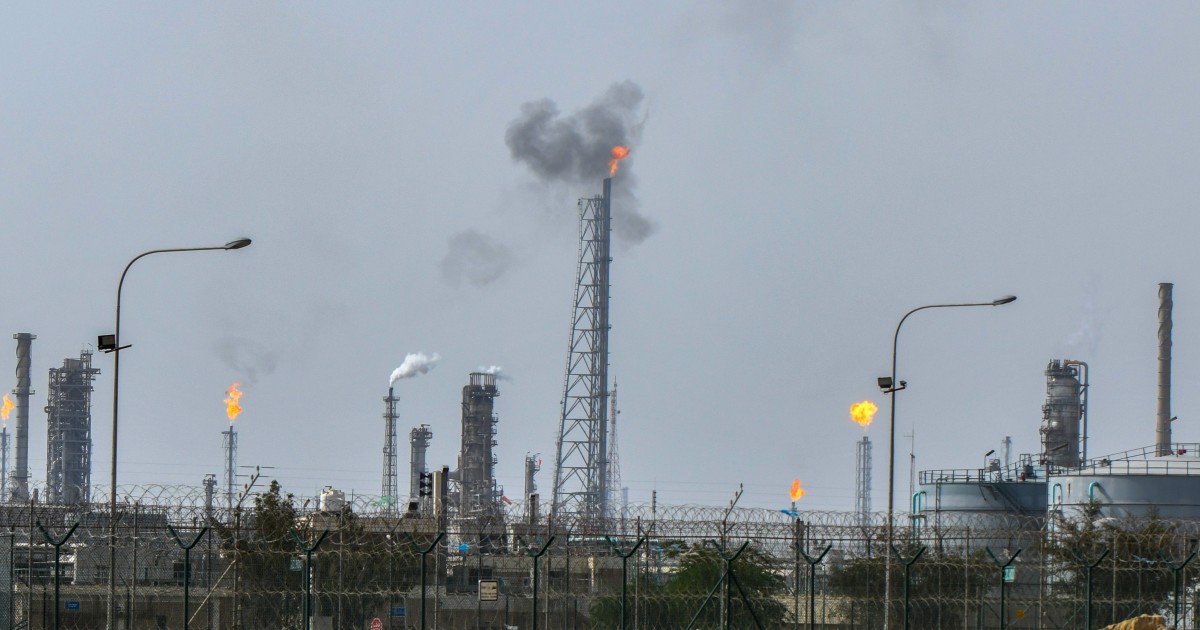
Stocks rise and oil prices ease as US-Iran conflict uncertainty continues
Financial markets saw equities climb and oil prices retreat as investors assessed the impact of the US-Iran conflict and Strait of Hormuz transit constraints.
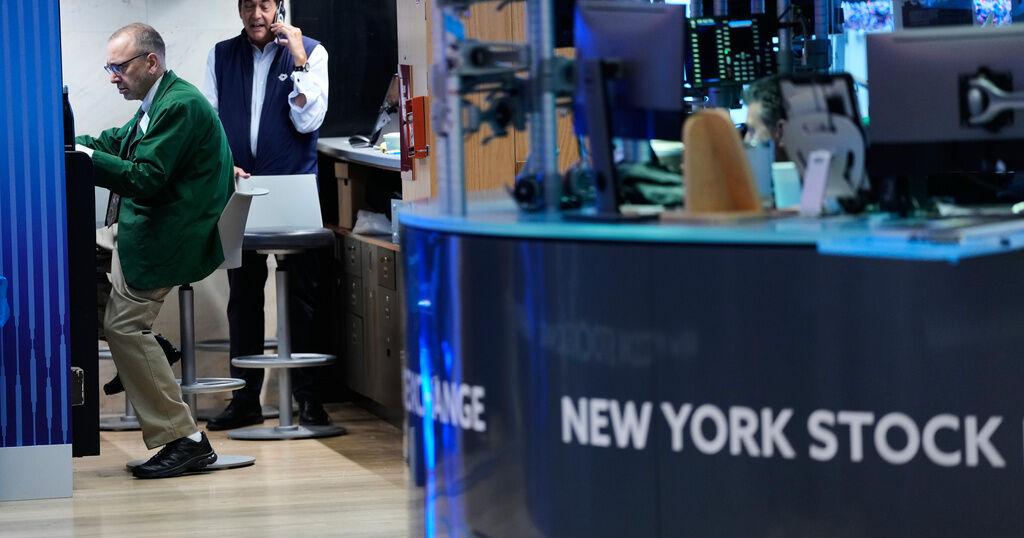
Financial markets showed signs of stabilization on Thursday, July 9, 2026, as investors navigated shifting conditions in the ongoing conflict between the United States and Iran. Equities moved higher and oil prices retreated, reversing losses recorded in the previous session as participants awaited further developments following President Donald Trump’s recent remarks regarding the state of the ceasefire.
The S&P 500 climbed 0.8%, recovering the ground lost during Wednesday’s trading. The Dow Jones Industrial Average gained 139 points, or 0.3%, while the Nasdaq composite rose 1.3%. Market sentiment remained tethered to the movement of energy prices, which eased after a period of volatility. Brent crude, the international benchmark, fell 2.2% to $76.30 per barrel on Thursday, declining from $78.02 the previous day. Despite the retreat, prices remained above the $71.80 level recorded at the end of the prior week.
Related media

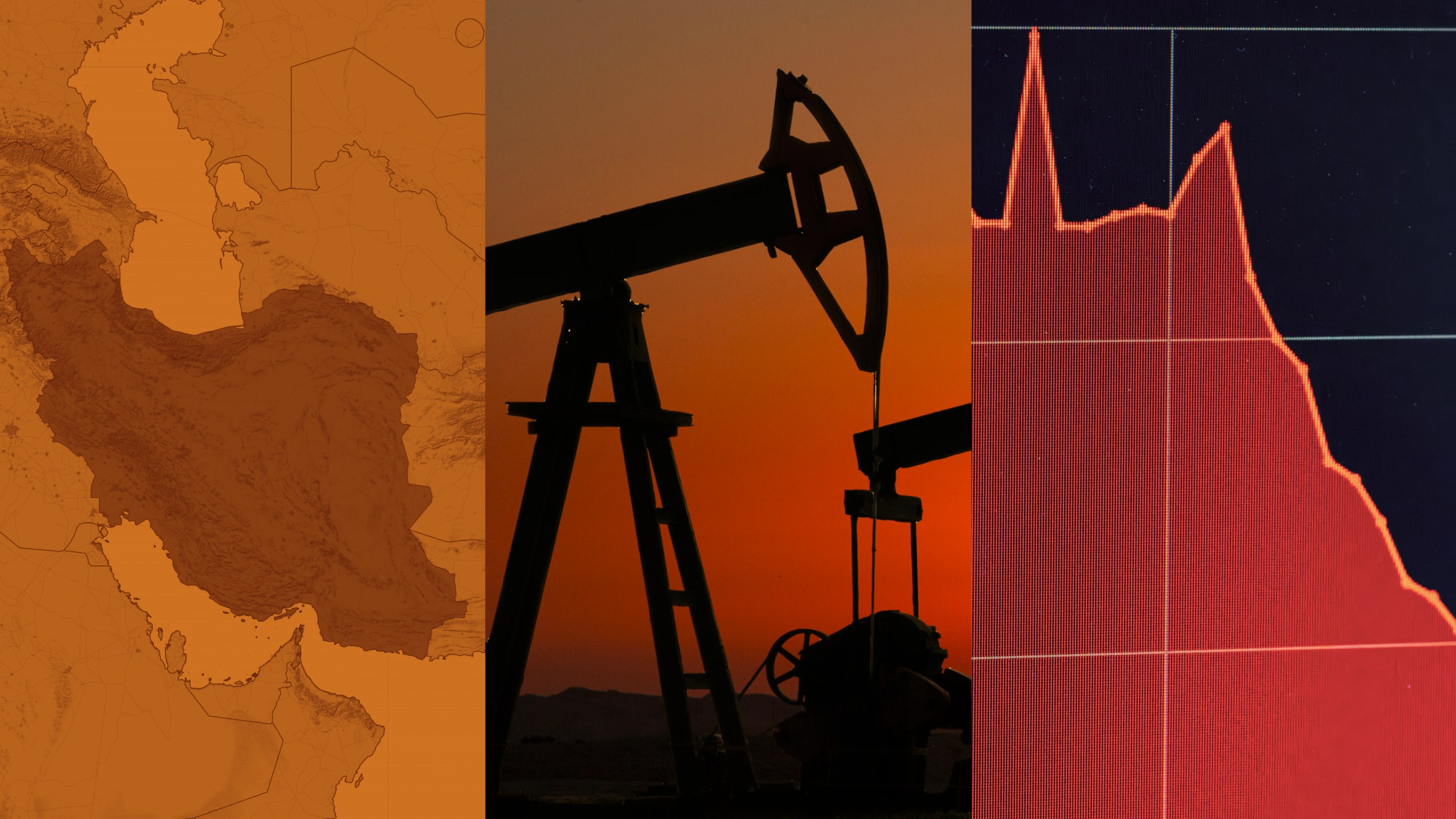
The conflict continues to focus attention on the Strait of Hormuz, a critical artery for global energy supplies. Data provided by Kpler trade intelligence showed that transit activity through the waterway remained constrained, with only six tankers passing through on Thursday, down from 21 on Wednesday. Reports indicate that U.S. And Iranian forces have engaged in a series of direct strikes, including Iranian attacks on commercial tankers that the United States has characterized as acts of terrorism. A U.S. Official confirmed that while "technical talks" continue, the existing 60-day ceasefire is considered performance-based, and current Iranian actions have "failed performance at an unacceptable level."
The economic implications of a potential return to full-scale warfare weigh heavily on market forecasts. Analysts warn that persistent disruptions to crude delivery could exacerbate global inflation, potentially forcing the Federal Reserve and other central banks to raise interest rates. Reflecting these pressures, gasoline prices rose a nickel overnight to an average of $3.85 per gallon, an increase of 68 cents compared to the previous year. Additionally, Qatari authorities have reportedly suspended plans to expand production at the Ras Laffan liquefied natural gas facility following recent attacks.
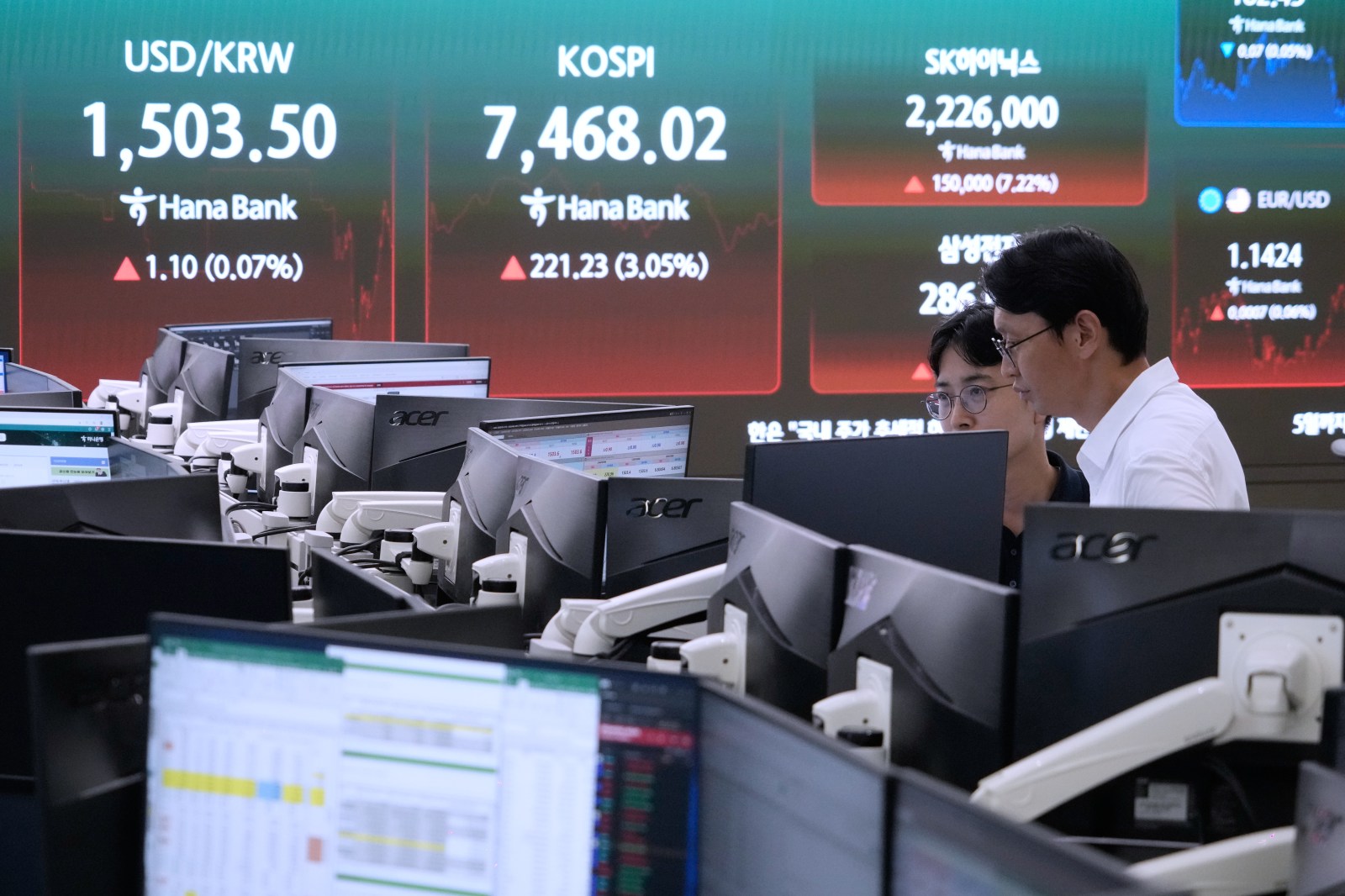
Technology and semiconductor stocks provided support for the broader market, as investors sought opportunities in artificial intelligence infrastructure. Micron Technology gained 4.5% after providing updates on domestic manufacturing expansion, and Seoul-based SK Hynix saw its shares jump 5.3%.
The geopolitical backdrop remains complex. Following the death of former Supreme Leader Ayatollah Ali Khamenei on the first day of the war, his burial took place in Mashhad on Thursday. Meanwhile, Israel’s Defense Minister, Israel Katz, stated that his nation is prepared to resume its military campaign with "even greater force" if necessary to eliminate threats. The U.S. Embassy in Amman, Jordan, also issued a shelter-in-place warning on Thursday following the interception of missiles launched from Iran.
Looking ahead, market participants are turning their attention toward the start of the corporate earnings season. Major financial institutions are scheduled to report their results for the April–June period starting next week, a milestone that will serve as a primary indicator of corporate health. As the conflict enters what Lt. Gen. H.R. McMaster (retired) describes as a "new phase," market volatility is expected to persist.
"Ebbs and flows, that's what I'm expecting, not just over the summer, but almost until the end of the year, until we get something concrete between Tehran and Washington,"
Andrew Wilson, head of research at BRS shipbrokers, via Lloyd's List
How significant is this development?
Contribute your assessment to the aggregated reader intelligence ledger.
Archypedia is dedicated to independent, evidence-backed reporting. This briefing was synthesized from primary source reporting, corroborated across independent newsrooms, and verified against our Editorial Standards.
Transparency record
Evidence behind this report
This report synthesizes 9 distinct sources. Open the source ledger below to compare the underlying coverage.
- latimes.com
- djournal.com
- cbsnews.com
- wptf.com
- winnipegfreepress.com
- morningstar.com
- finance.yahoo.com
- apnews.com
- bnnbloomberg.ca
Prepared under the Archypedia Editorial Policy by the Elena Voss editorial desk profile. AI-assisted tools may support drafting and verification; public accountability remains with Archypedia. Report an error.