MIT researcher proposes sensor system to detect nuclear weapons in space
A new research proposal outlines a method for using inspector satellites to detect nuclear weapons in orbit by measuring neutron emissions. This study aims to address the current lack of verification mechanisms for the Outer Space Treaty.
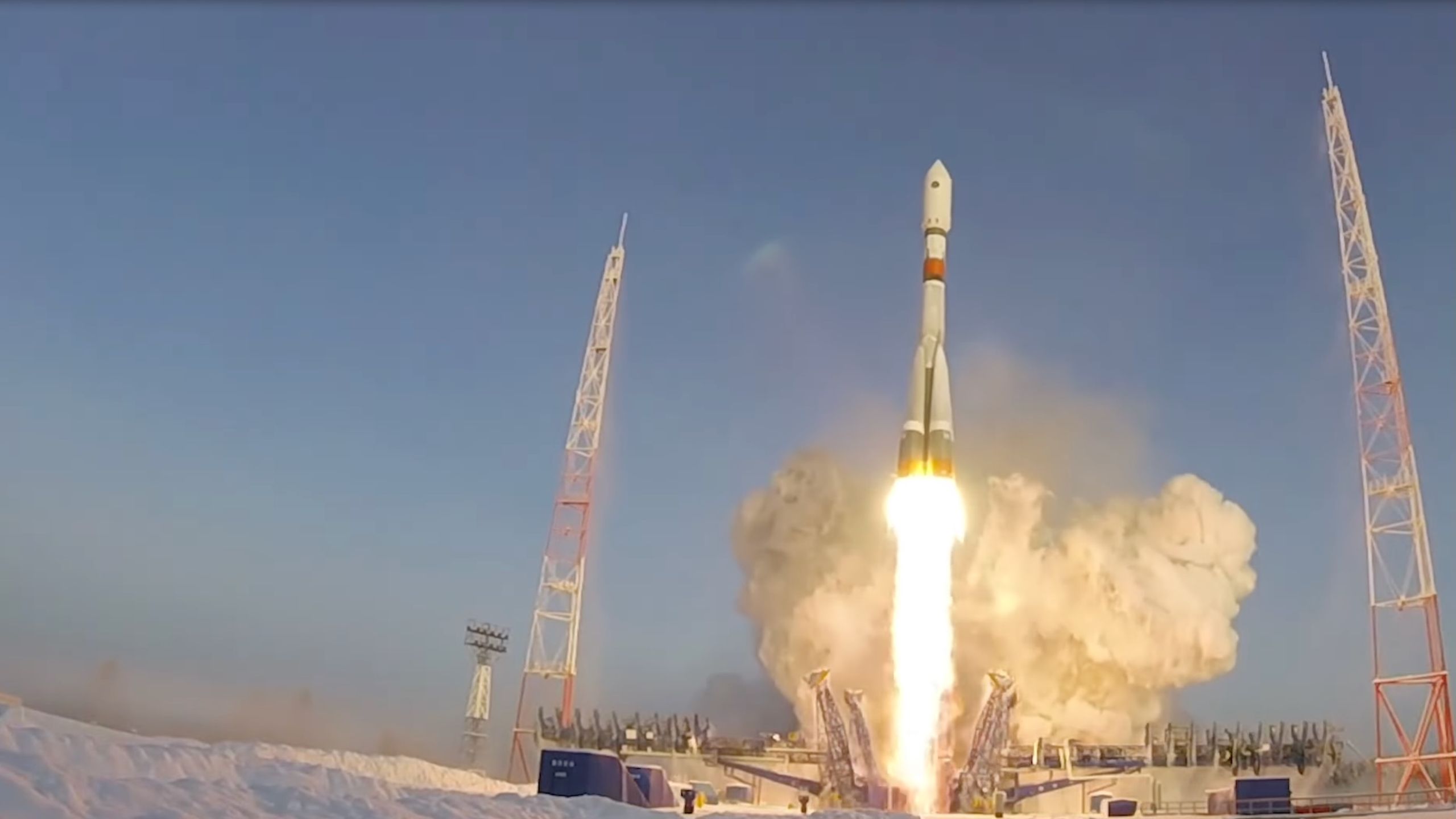
A new proposal for an orbital sensor system could provide the first public, scientifically verified method to detect nuclear weapons hidden on spacecraft, potentially addressing a long-standing oversight in international arms control. The research, authored by Massachusetts Institute of Technology associate professor Areg Danagoulian and published in the journal Nature on 8 July 2026, outlines a way to monitor compliance with the 1967 Outer Space Treaty. While the treaty prohibits the placement of nuclear weapons in orbit, it currently lacks any mechanism for verification. The urgency to address this gap has intensified following the 2022 launch of the Russian satellite Cosmos 2553. U.S. Officials have expressed concerns that the satellite, which operates in an orbit characterized by high radiation, may be testing components for a future nuclear-armed anti-satellite device. Russia has maintained that the satellite is intended for sensing and surveillance.
Physics-based verification
The proposed detection system exploits the natural radiation environment of low-Earth orbit, specifically the inner Van Allen radiation belt. This region contains a high density of energetic protons. When these protons collide with heavy elements such as uranium or plutonium—key components of a thermonuclear warhead—the interaction triggers a process known as neutron spallation. This results in the emission of large quantities of neutrons.
Related media
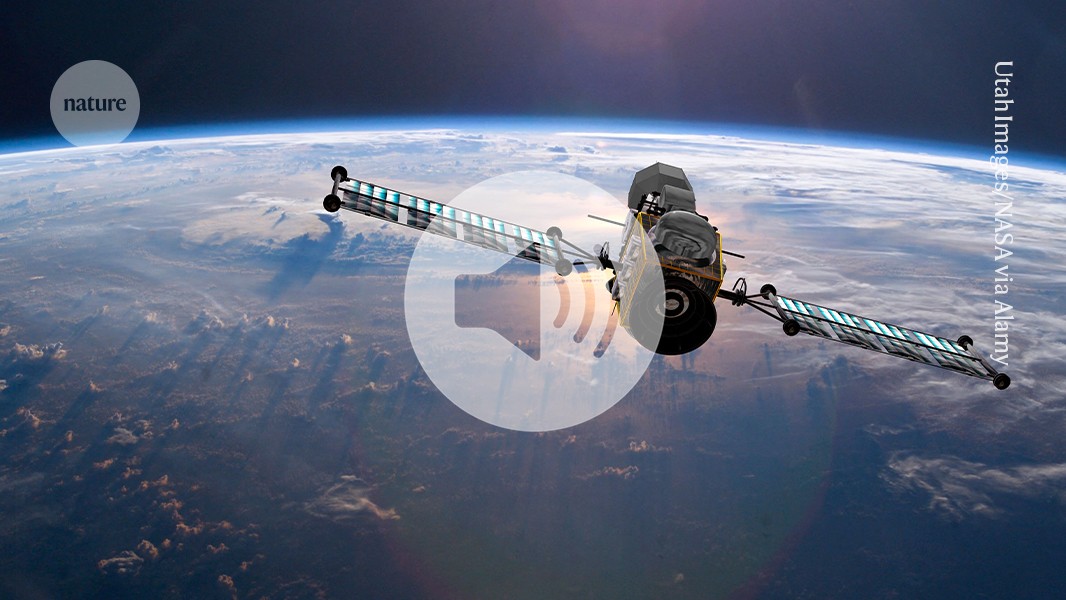
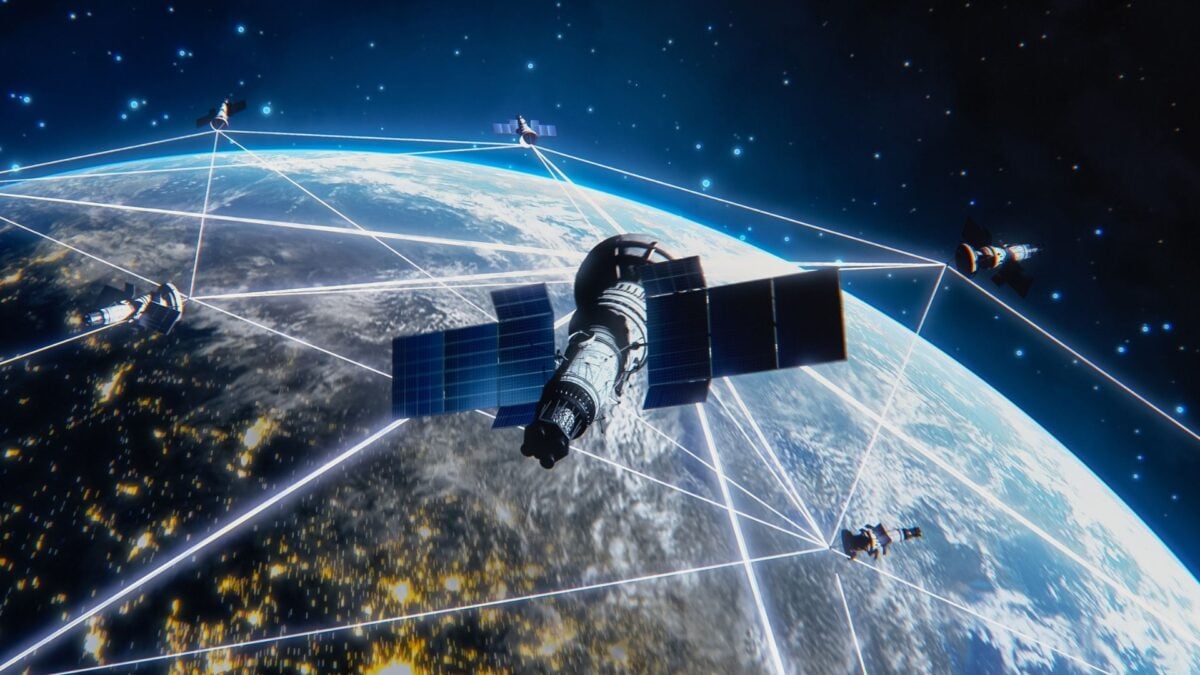
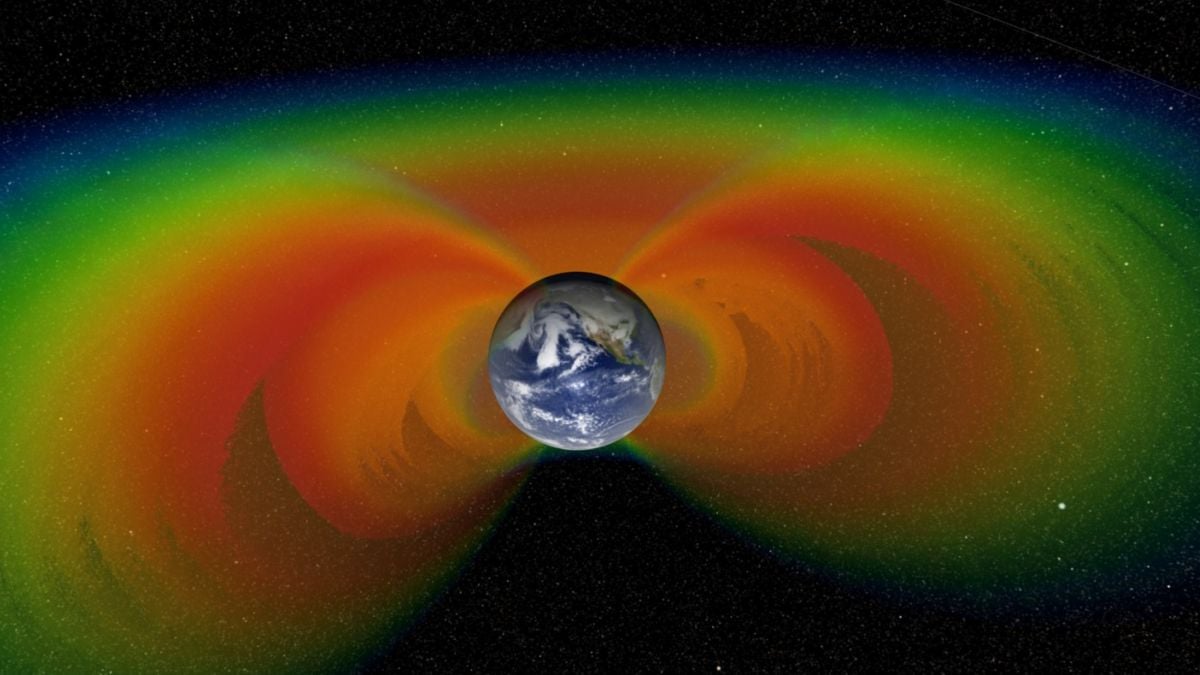
Danagoulian’s concept involves deploying "inspector" satellites equipped with a specialized sensor array. These inspectors would fly in close proximity to a suspect spacecraft. The sensor architecture uses:
- Neutron Scintillators: Pixelated panels that interact with radiation to emit light, allowing for the detection of neutrons and protons.
- Synthetic Diamond Detectors: A "cage" of detectors layered between the scintillators that filter out incoming protons, isolating the signal from neutrons.
- Directional Sensitivity: By using two planes of sensors, the system can determine the origin of the detected particles, helping to distinguish between those emanating from a target satellite and "albedo neutrons" reflecting off Earth’s atmosphere.
Performance and limitations
According to the study, a single sensor satellite orbiting within 4,000 meters of a target could confirm the presence of a nuclear weapon with 99 percent accuracy over the course of about one week. If the inspector can maneuver to within 1,000 meters, or if a constellation of multiple sensors is utilized, the detection time could be reduced to a matter of hours. Danagoulian emphasizes that the research is a feasibility study rather than a finished system. Practical challenges remain, including the need for advanced radiation hardening to ensure the sensor survives the harsh conditions of the inner Van Allen belt.
Context and future steps
The vulnerability of modern infrastructure to a Space-based nuclear detonation is significant. A blast would release electrons into the Earth's magnetic field, creating an artificial radiation environment capable of disabling critical systems, including GPS, global communications, and the Starlink satellite constellation. This mirrors the effects of the 1962 Starfish Prime test, which damaged or destroyed roughly one-third of the satellites in orbit at that time.
Current nuclear detection research is largely classified, limiting the public discourse on verification. Danagoulian’s work intends to establish an open-source foundation for future policy discussions. He has called for national laboratories to build upon these findings and for policymakers to consider integrating such technologies into national technical means of verification. For now, the focus remains on proving the scientific viability of the method. As Danagoulian stated regarding the necessity of the technology,
"You can fake intelligence, but you can’t fake physics."
Areg Danagoulian, associate professor at MIT, via Nature and other outlets
How significant is this development?
Contribute your assessment to the aggregated reader intelligence ledger.
Archypedia is dedicated to independent, evidence-backed reporting. This briefing was synthesized from primary source reporting, corroborated across independent newsrooms, and verified against our Editorial Standards.
Transparency record
Evidence behind this report
This report synthesizes 12 distinct sources. Open the source ledger below to compare the underlying coverage.
- scientificamerican.com
- aol.com
- news.mit.edu
- space.com
- nature.com
- gizmodo.com
- discovermagazine.com
- sciencealert.com
- popsci.com
- independent.co.uk
- sciencenews.org
- tech.yahoo.com
Prepared under the Archypedia Editorial Policy by the Niko Vale editorial desk profile. AI-assisted tools may support drafting and verification; public accountability remains with Archypedia. Report an error.