Rice and NASA launch world's first open-source space robotics simulator
This high-fidelity digital twin allows developers to test robotic software for use in future lunar habitats and space vehicles. The platform aims to offload routine maintenance tasks from human crews to autonomous or remotely operated robots.

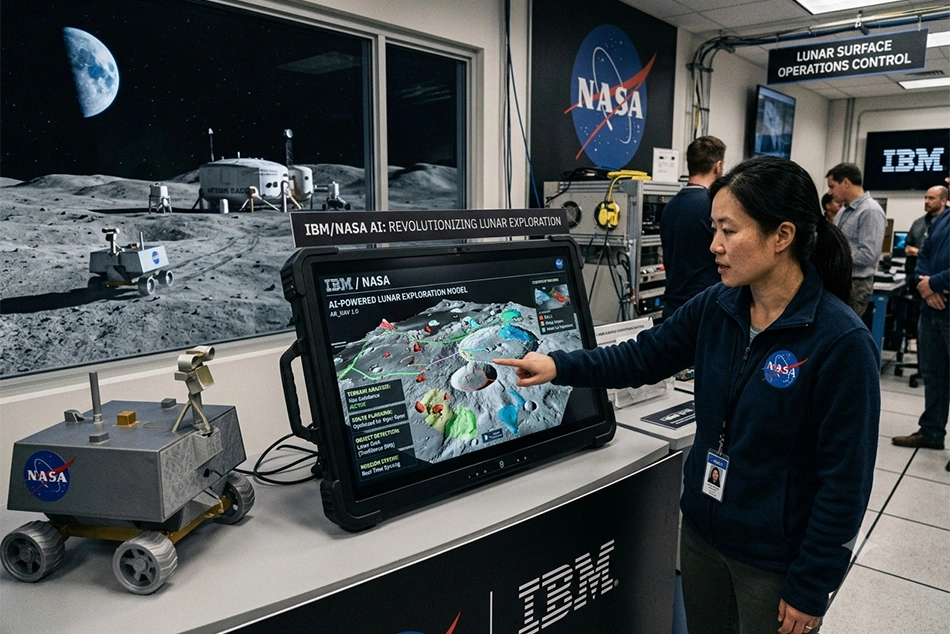
Researchers at the NASA Johnson Space Center in Houston and Rice University have introduced the iMETRO Dynamic Simulation, a new open-source platform engineered to advance the development of robots designed for space vehicles and indoor habitats. The software serves as a high-fidelity digital twin of the physical iMETRO developmental test bed, which features full-scale interior mockups of future lunar habitats and space vehicles, alongside various robotic platforms.
The platform, which debuted at the 2026 IEEE International Conference on Robotics and Automation in Vienna, aims to resolve a persistent logistical challenge in deep space missions. Astronauts currently dedicate about one-third of their time to routine maintenance tasks, including managing cargo from resupply capsules. By offloading these responsibilities to autonomous or remotely operated robots, mission planners intend to prioritize human crew capacity for scientific research and exploration.
Related media

Closing the Simulation Gap
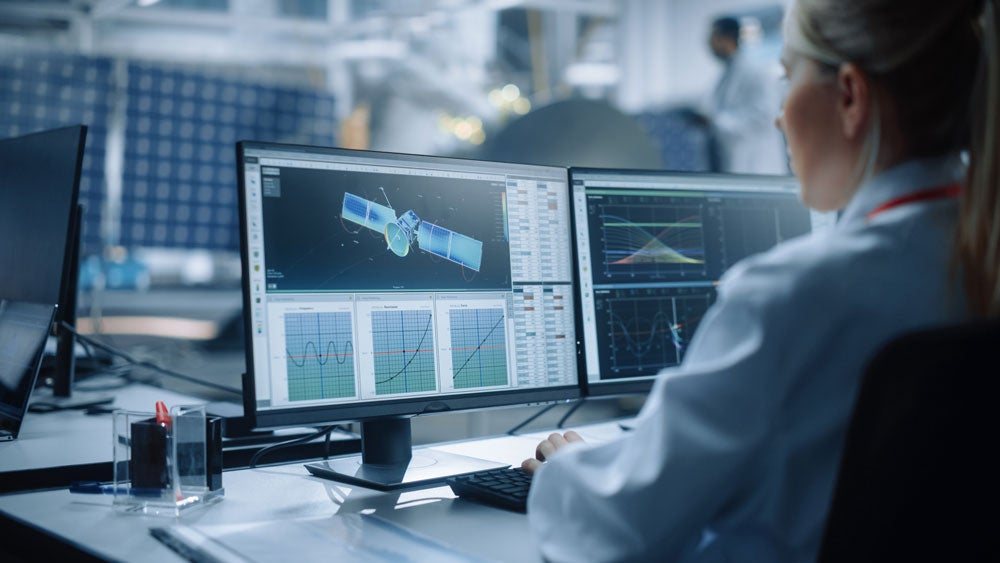
Historically, the global robotics community lacked accessible, open-source tools capable of simulating complex manipulation in low- and zero-gravity environments. The iMETRO Dynamic Simulation functions as a virtual testbed, allowing developers to create and validate software against the operational constraints of NASA hardware. In a demonstration presented at the Vienna conference, researchers successfully developed a new application within the virtual simulation and transferred it to the physical iMETRO facility, where it became fully operational in less than one day.
"By developing a full-featured, high-fidelity dynamic simulation of a NASA space operations test facility, this new modeling tool makes research in space robotics accessible to the global robotics community."
Lydia Kavraki, University Professor at Rice University
The project involves a collaborative team from NASA, including Nathan Dunkelberger, Erik Holum, Emma Zemler, and Shaun Azimi, the lead for NASA Johnson’s Dexterous Robotics team. The Rice University contingent features Nikki Hart, a doctoral student and NASA Pathways intern, working under the mentorship of Lydia Kavraki, who holds multiple professorships at the George R. Brown School of Engineering and Computing.
Advancing Autonomous Operations
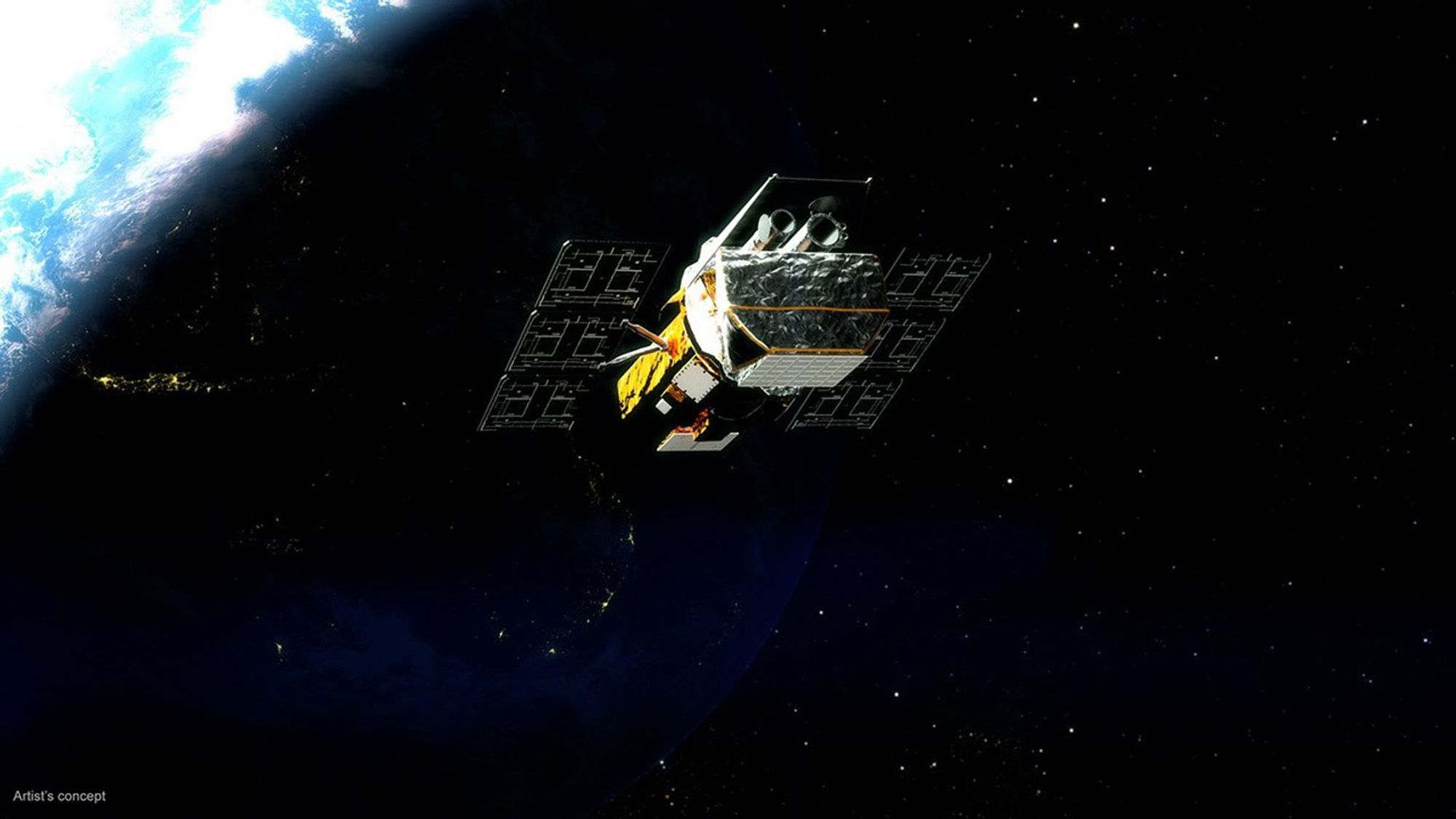
The push for robotic efficiency aligns with a broader industry effort to move away from "throwaway" hardware models toward a paradigm of dynamic space operations. This shift is evident in the recent deployment of the Link satellite by Katalyst Space Technologies. Launched on the Independence Day weekend of 2026 via a Northrop Grumman Pegasus XL rocket, the Link mission serves as a first-of-its-kind attempt to capture, inspect, and boost the orbit of the aging Swift observatory. Unlike satellites designed for docking, Swift was not built for robotic interaction, and the rescue attempt relies on cameras, sensors, and three robotic arms on the Link spacecraft to extend the life of the observatory.
Simultaneously, student teams from Rice University’s Data to Knowledge (D2K) Lab have partnered with NASA to integrate machine learning into aerospace engineering. These efforts include developing AI-based navigation systems for autonomous lunar landings, replacing traditional physics calculations for orbital transfers to save fuel, and creating hybrid workflows for hypersonic re-entry predictions. These data-driven projects are designed to increase mission safety while reducing the heavy computational costs traditionally associated with space navigation.
Risks and Future Outlook
The endeavor to innovate comes during a period of volatility in launch operations. On May 29, 2026, a Blue Origin New Glenn rocket suffered a malfunction and exploded on the pad during a static fire test at Cape Canaveral Space Force Station. While no fatalities or injuries were reported, the event highlighted the inherent difficulties of developing heavy-lift launch capabilities. Range officials have continued to monitor the site for hazardous debris as an investigation into the cause of the anomaly proceeds.
As NASA and its partners continue to test the limits of autonomous intervention, the democratization of simulation tools is expected to remain a critical factor in long-term human presence in deep space. Following the successful checkout of the Link satellite's systems, Katalyst is preparing to approach the Swift observatory to begin its inspection and capture sequence. Meanwhile, the open-source release of the iMETRO platform invites the global robotics community to contribute to the next generation of intravehicular space labor.
How significant is this development?
Contribute your assessment to the aggregated reader intelligence ledger.
Archypedia is dedicated to independent, evidence-backed reporting. This briefing was synthesized from primary source reporting, corroborated across independent newsrooms, and verified against our Editorial Standards.
Transparency record
Evidence behind this report
This report synthesizes 6 distinct sources. Open the source ledger below to compare the underlying coverage.
Prepared under the Archypedia Editorial Policy by the Niko Vale editorial desk profile. AI-assisted tools may support drafting and verification; public accountability remains with Archypedia. Report an error.