NASA Perseverance rover identifies complex organic carbon in Martian rocks
The Perseverance rover detected macromolecular carbon within rock formations at Jezero Crater, offering evidence of ancient chemical processes on Mars.
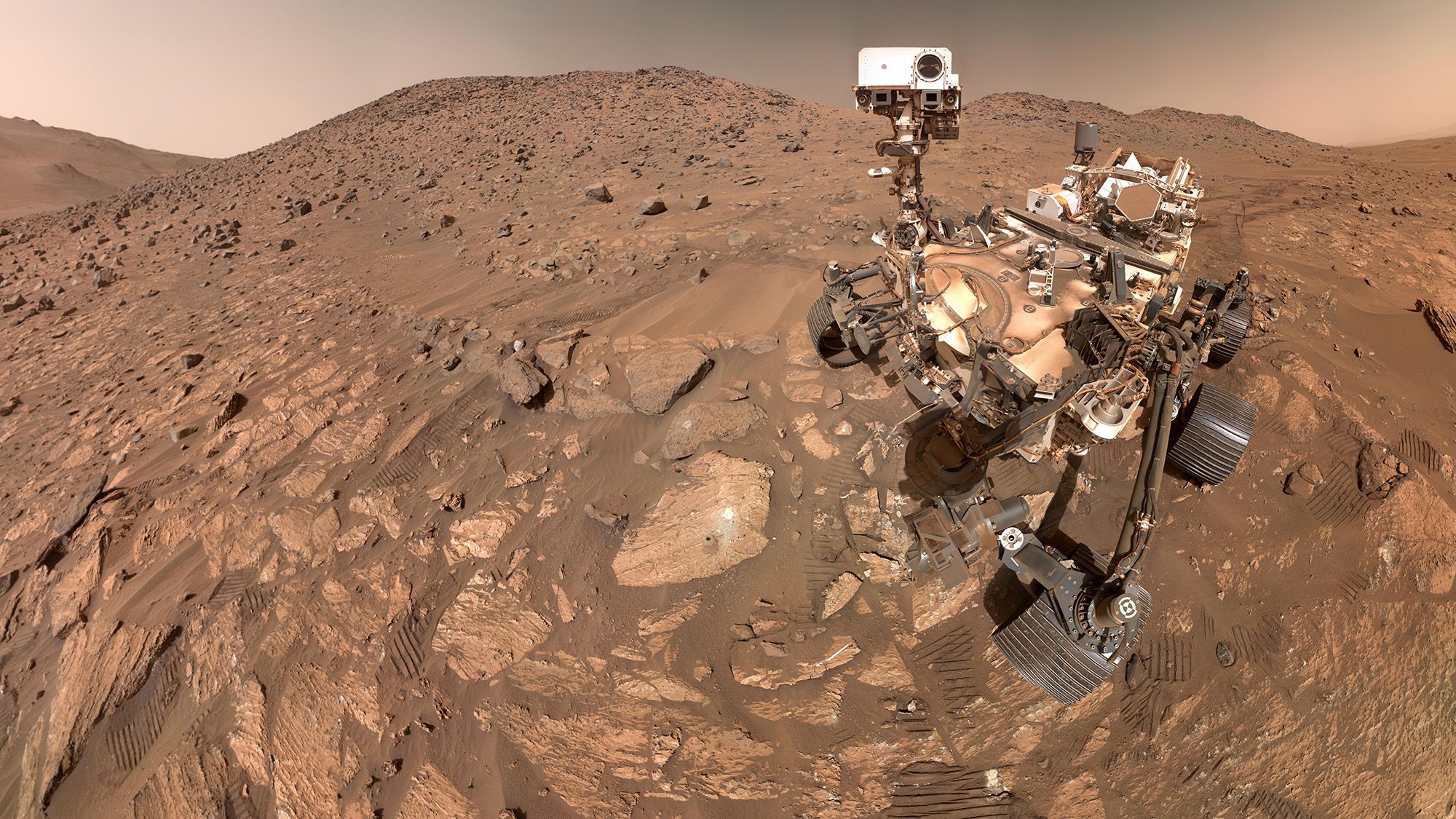
NASA’s Perseverance rover has identified complex organic carbon molecules within rock formations at Jezero Crater, providing new insight into the chemical history of the Martian surface. The findings, published June 24, 2026, in the journal Science Advances, detail the detection of macromolecular carbon (MMC) on the surface of rocks within the Bright Angel outcrop, a region situated along the path of Neretva Vallis, an ancient river channel that once fed a lake in Jezero Crater.
Geological context and discovery
The organic carbon was identified using the rover's Scanning Habitable Environments with Raman and Luminescence for Organics and Chemicals (SHERLOC) instrument. By directing an ultraviolet laser at rock targets and measuring the scattered light, researchers detected spectral signatures of amorphous, complex carbon networks. According to the research, this represents the shallowest detection of organic matter recorded to date on the Martian surface.
Related media
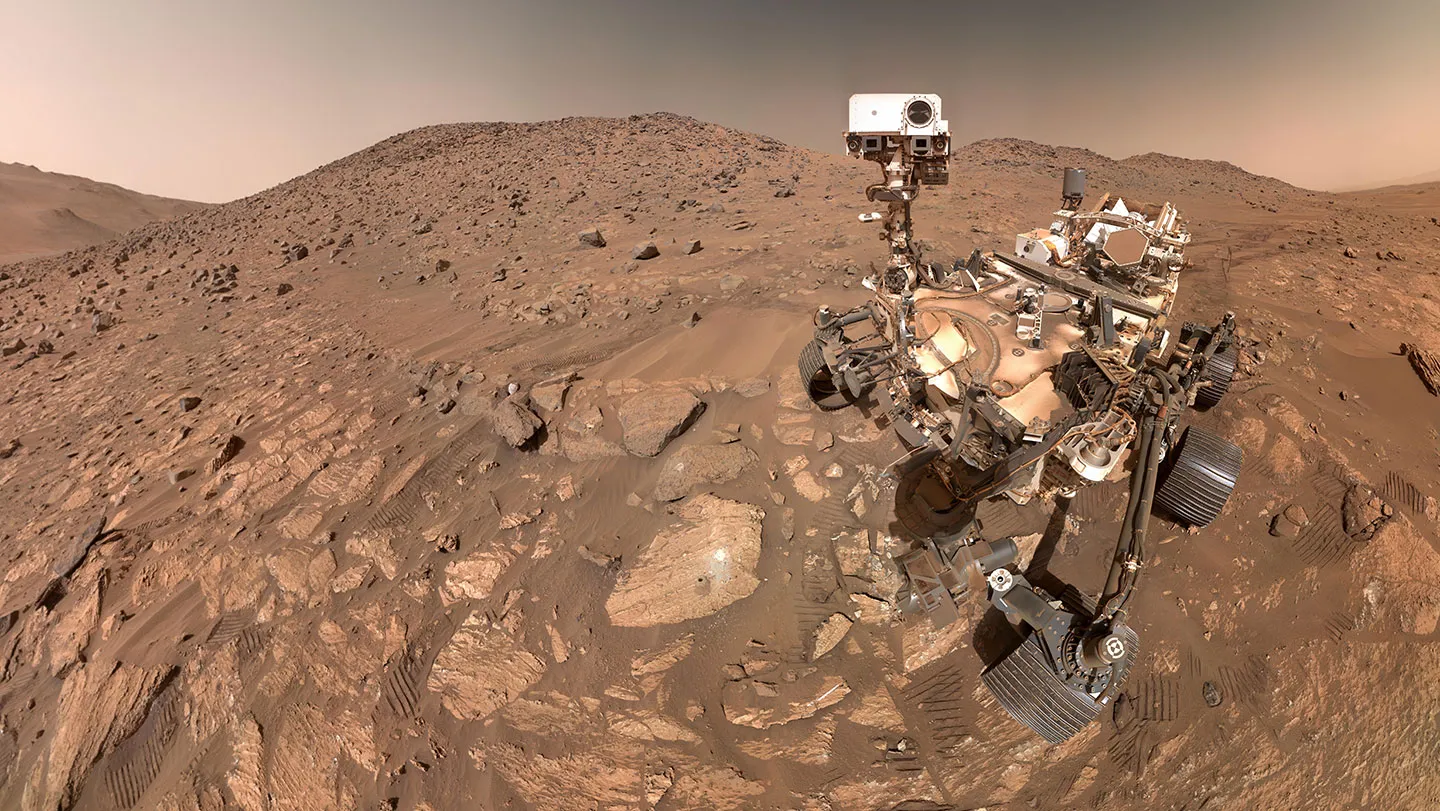
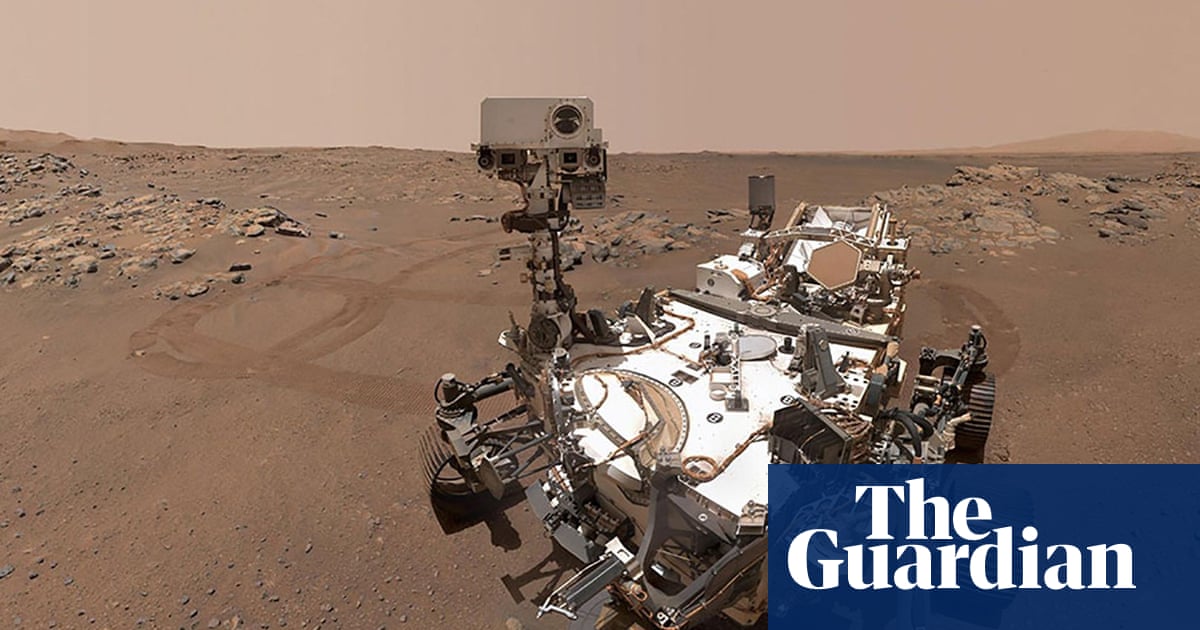
The rocks examined, including samples nicknamed Cheyava Falls and Walhalla Glades, were previously highlighted for their potential biosignatures. Researchers, led by Ashley Murphy of the Planetary Science Institute, suggest that the carbon may have been emplaced during at least two distinct events: first, as organic matter settled into mud at the bottom of an ancient lake, and later, as groundwater circulated through the rock, depositing carbonate and sulfate minerals.
The study highlights a significant geographical distribution in these findings. Perseverance has documented organic-bearing mudstones in Jezero Crater, while the Curiosity rover previously identified macromolecular carbon at Gale Crater, located approximately 2,300 miles (3,700 km) away.
"These findings indicate that the habitability of Mars and the availability of organic materials may have been widespread across the planet billions of years ago."
Kyle Uckert, planetary scientist at NASA’s Jet Propulsion Laboratory and co-author of the study, via Science Advances
The challenge of biological origins
Despite the complexity of these carbon molecules, researchers emphasize that their presence does not constitute proof of past life. Macromolecular carbon is found in both biological settings, such as fossilized microbial mats on Earth, and non-biological environments, including meteorites and hydrothermal deposits. The rover's current instrument suite cannot differentiate between these origins.
"The presence of organic matter on Mars does not necessarily imply biologic processes. The Perseverance Rover payload is not able to evaluate whether organic compounds are derived from biologic or abiologic processes. We cannot state that biology played any role in the organic carbon described in this study."
Kyle Uckert, research scientist at NASA’s Jet Propulsion Laboratory, via ScienceAlert
Planetary scientist Paul Byrne of Washington University in St. Louis noted the ambiguity of the source, stating that the carbon could originate from meteorites, cosmic dust, hydrothermal reactions, or biological processes.
The status of sample return
Because the current instrumentation aboard the rover cannot distinguish between biological and abiotic origins, scientists maintain that the definitive identification of ancient life requires the physical return of these samples to Earth. While Perseverance has cached 30 samples, including the Cheyava Falls material, for potential return, the status of such a mission remains uncertain. Future opportunities for sample return may now rely on international efforts, with China aiming to launch the Tianwen-3 mission no sooner than 2028.
Summary of findings
| Observation | Implication |
|---|---|
| Presence of MMC | Confirms chemical building blocks were present in ancient Martian history. |
| Surface-level detection | Indicates potential recent exposure or protection by minerals. |
| Broad geographical distribution | Supports the theory that Mars possessed multiple habitable environments. |
How significant is this development?
Contribute your assessment to the aggregated reader intelligence ledger.
Archypedia is dedicated to independent, evidence-backed reporting. This briefing was synthesized from primary source reporting, corroborated across independent newsrooms, and verified against our Editorial Standards.
Transparency record
Evidence behind this report
This report synthesizes 12 distinct sources. Open the source ledger below to compare the underlying coverage.
- srnnews.com
- yahoo.com
- sciencenews.org
- theguardian.com
- livescience.com
- sciencealert.com
- devdiscourse.com
- futurism.com
- arstechnica.com
- cbc.ca
- wifc.com
- ca.news.yahoo.com
Prepared under the Archypedia Editorial Policy by the Niko Vale editorial desk profile. AI-assisted tools may support drafting and verification; public accountability remains with Archypedia. Report an error.