US military strikes Iran for second day as ceasefire collapses
Hostilities between the U.S. and Iran have surged following a collapsed ceasefire, resulting in widespread military exchanges and retaliatory strikes.
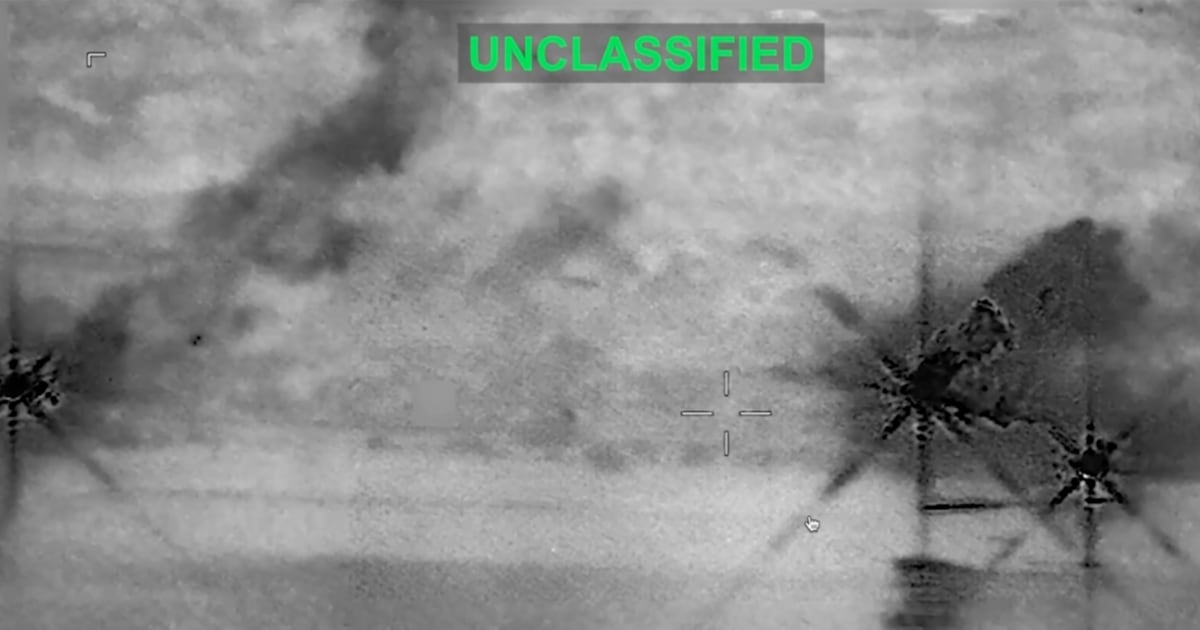
Hostilities between the United States and Iran have surged as a fragile ceasefire collapsed, leading to two consecutive days of intense military exchanges. The latest round of U.S. Strikes against Iran has been completed, with about 90 Iranian military targets hit, U.S. Central Command said.
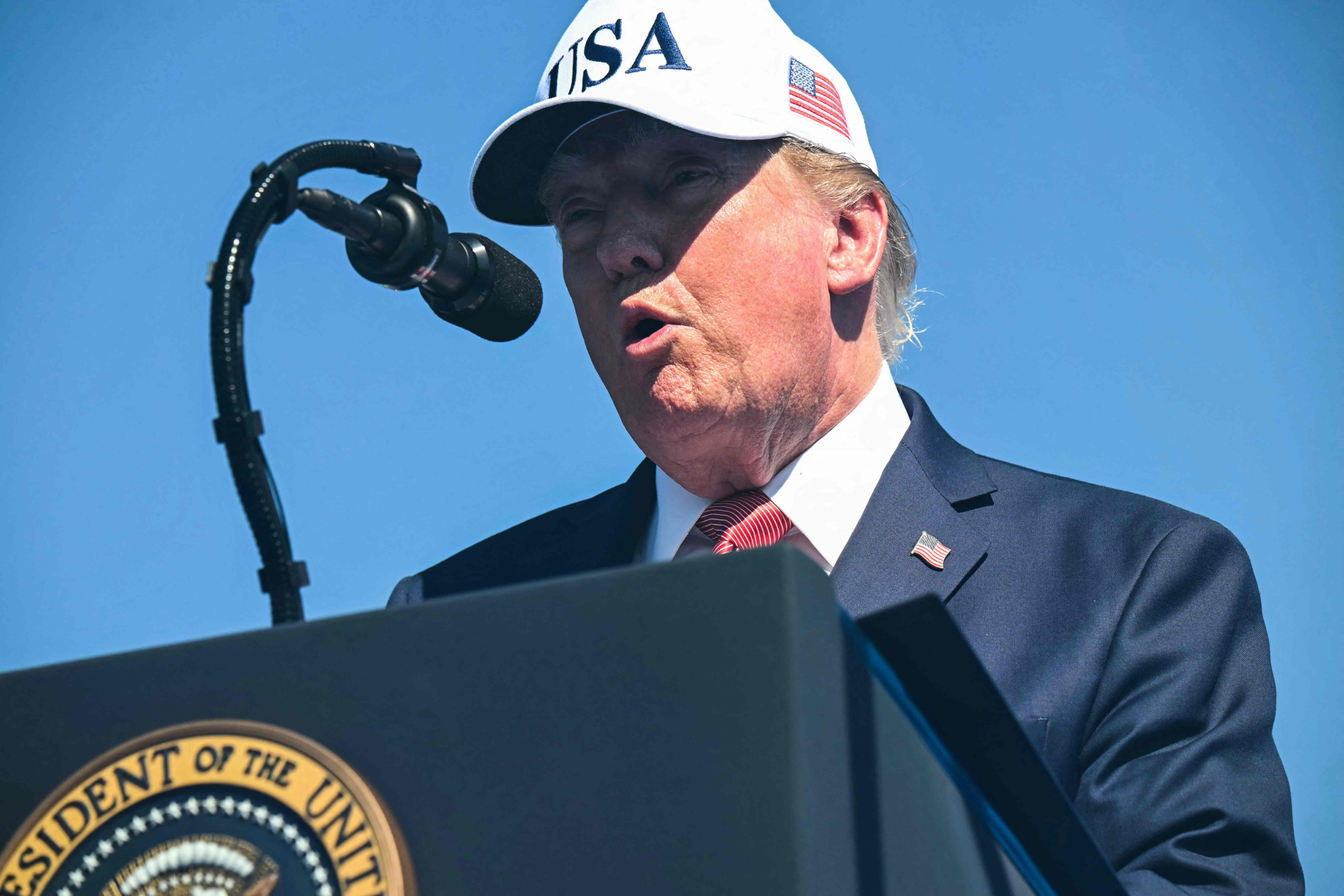
The attacks this week further imperil a fragile U.S.-Iran ceasefire as the two countries try to finalize a lasting agreement for ending the war that began Feb. 28. Trump said at the NATO summit in Turkey today that he considered the ceasefire to be “over” and that further negotiations would be a “waste of time.” Characterizing recent Iranian strikes on commercial shipping in the Strait of Hormuz as a violation of prior commitments, Trump stated, They’re scum. You know what scum is? They’re scum.
Related media


Military Operations and Targets
They include “air defense systems, coastal surveillance assets, missile and drone storage sites, naval capabilities and military logistics infrastructure along Iran’s coastline,” the command said in a statement. Explosions were heard in the cities of Bandar Abbas and Sirik in the Strait of Hormuz, according to the semiofficial Fars news agency. About 10 explosions were heard in the cities of Chabahar and Konarak, according to the official Islamic Republic News Agency.
Iran’s Revolutionary Guard said it attacked two U.S. Bases in Kuwait and two in Bahrain in response to the latest U.S. Military strikes. It identified the Kuwait bases as Arifjan and Ali Al Salem and the Bahrain bases as Juffair and Sheikh Isa, all of which have previously been targeted in Iranian attacks. Sirens warning of a possible attack sounded in Bahrain in the early hours of Thursday local time, the Interior Ministry said on X.
Diplomatic and Strategic Disagreement
Trump told reporters on Air Force One this evening that the conflict in Iran "is not really a war" but instead is "a de-nuking of Iran." Iranian Parliament Speaker Mohammad Bagher Ghalibaf, who is also the lead negotiator in talks with the U.S., said on X that the Strait of Hormuz will remain open only through "Iranian arrangements." "The Strait of Hormuz will remain open only through Iranian arrangements, not through American threats." Iranian Deputy Foreign Minister Kazem Gharibabadi branded Donald Trump "criminal" and "murderous" after the US president threatened to launch further strikes on Iran tonight.
NATO allies reaffirmed their commitment to the “transatlantic bond,” saying that an “attack on one is an attack on all.”
Economic and Strategic Implications
The U.S. May reimpose a blockade on ships going to Iranian ports in the Strait of Hormuz, Trump said. "We may put down the blockade," he said. "We may put it back, the blockade, and it'll only be a blockade for Iran; anybody else can have whatever they want." U.S. Central Command said additional strikes were carried out on Iran today. U.S. Central Command forces have started conducting additional strikes against Iran to further degrade their ability to threaten freedom of navigation in the Strait of Hormuz, CENTCOM wrote on X.
How significant is this development?
Contribute your assessment to the aggregated reader intelligence ledger.
Archypedia is dedicated to independent, evidence-backed reporting. This briefing was synthesized from primary source reporting, corroborated across independent newsrooms, and verified against our Editorial Standards.
Transparency record
Evidence behind this report
This report synthesizes 7 distinct sources. Open the source ledger below to compare the underlying coverage.
Prepared under the Archypedia Editorial Policy by the Samir Haddad editorial desk profile. AI-assisted tools may support drafting and verification; public accountability remains with Archypedia. Report an error.