DRC Ebola response hit by arson attacks
Arson attacks and mistrust of health protocols are hindering Ebola containment in the Democratic Republic of the Congo. The WHO has raised the risk level to very high.

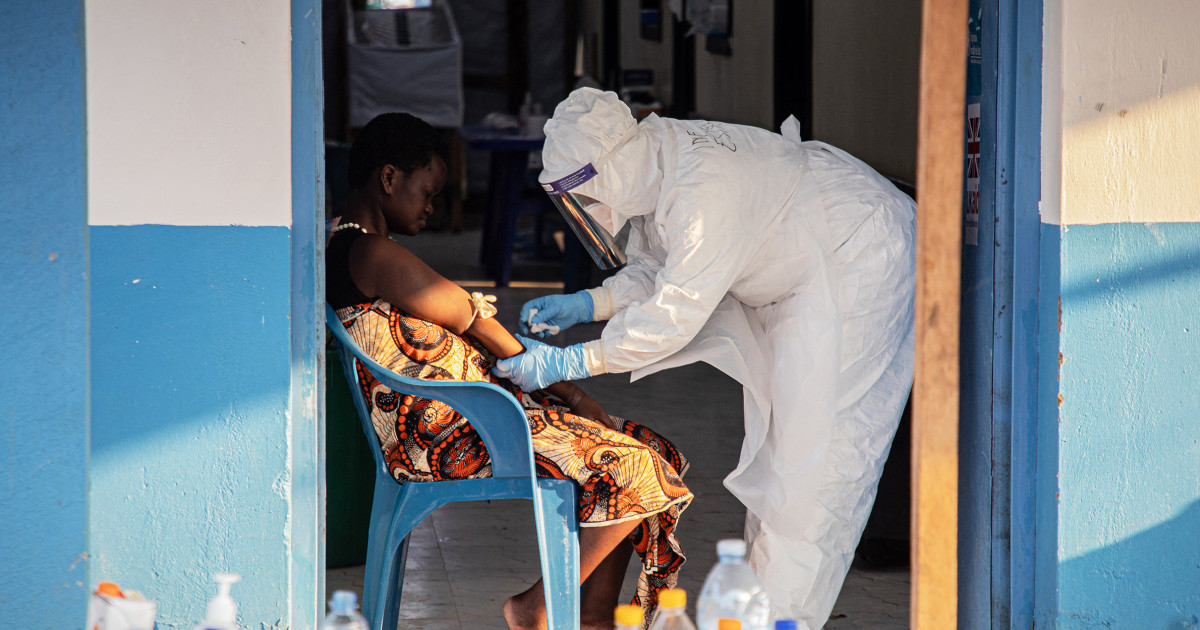
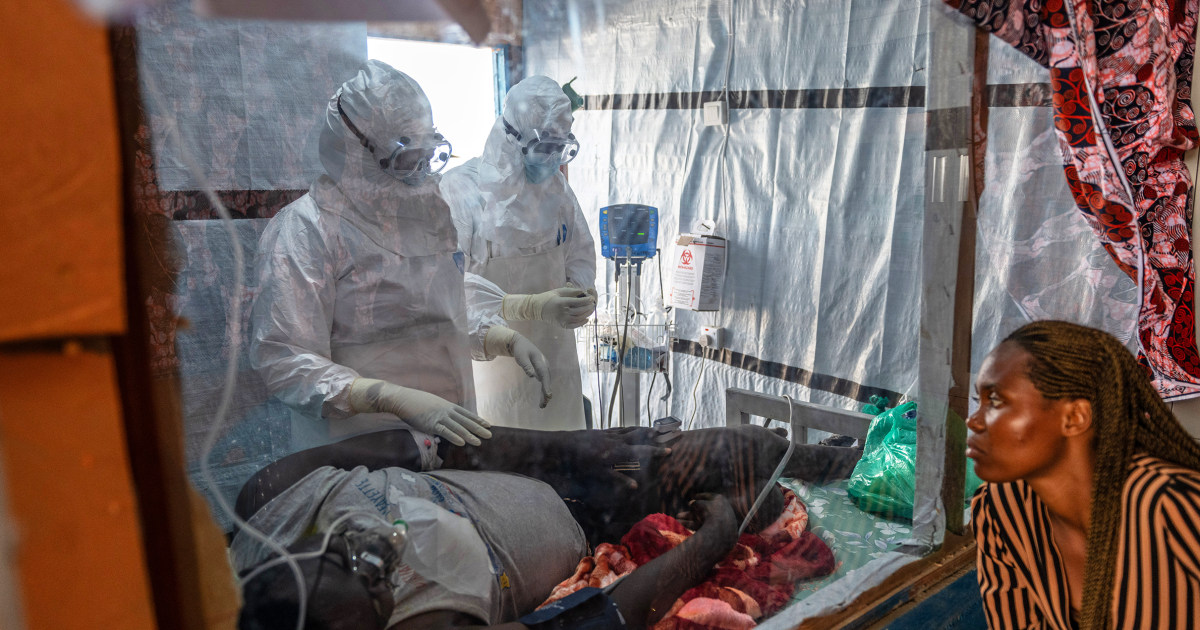
The Democratic Republic of the Congo (DRC) is facing a critical challenge in its efforts to combat the 17th Ebola outbreak since 1976, as arson attacks on health facilities have become a major concern. According to Insecurity Insight, two arson attacks on response facilities in Rwampara on 21 May 2026 and in Mongbwalu between 22 and 23 May 2026 resulted in the flight of confirmed and suspected Ebola patients into the community.
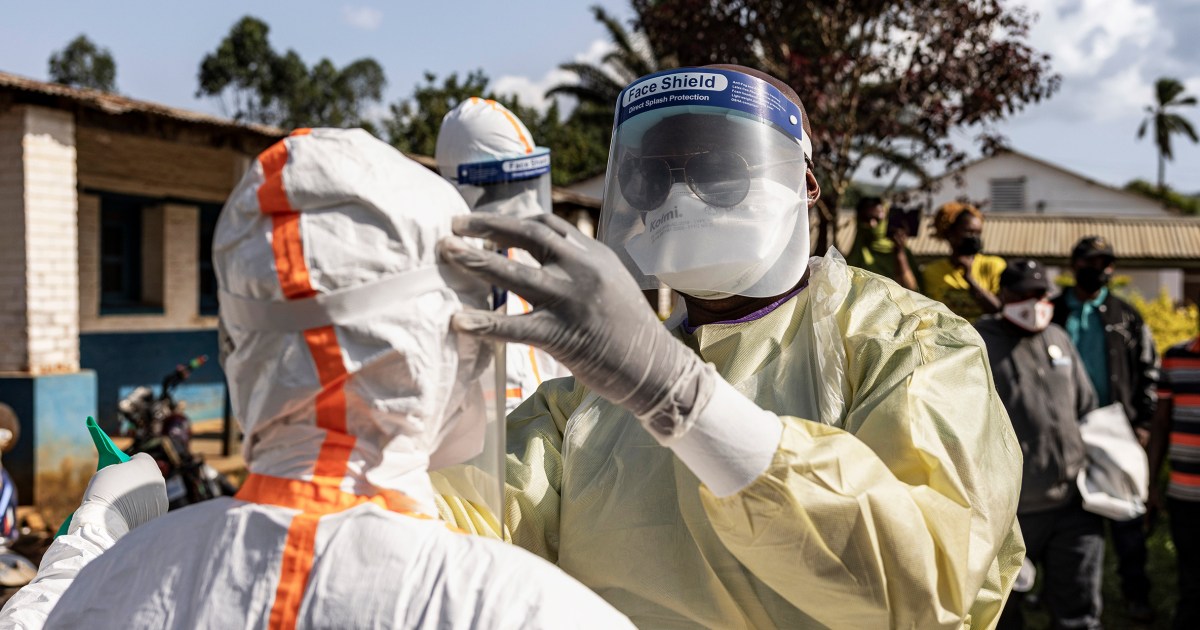
The attacks are fueled by rumors and misinformation. Some community members deny the existence of the disease, while others believe it is a hoax created by humanitarians to seize land or resources. According to International Medical Corps, healthcare workers face resistance over strict burial protocols, which require specialized handling of bodies to prevent virus transmission.
Related media


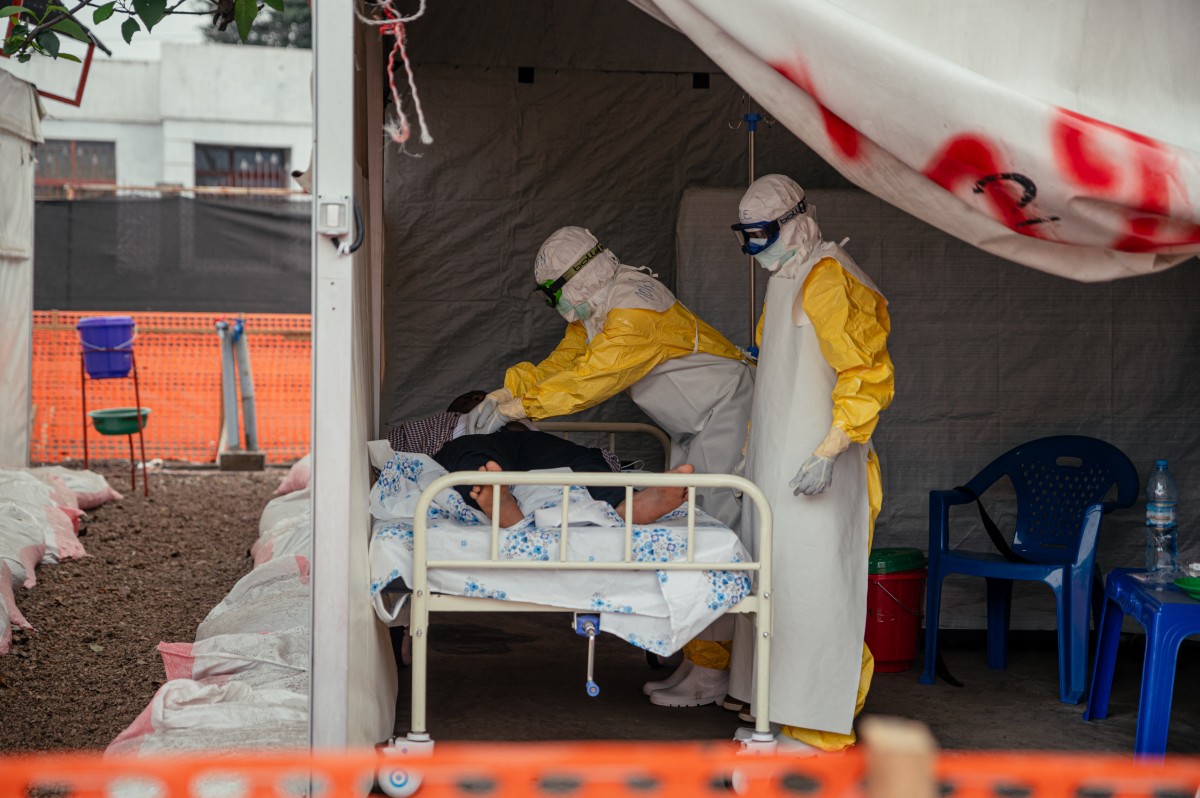
These protocols often clash with local customs. In eastern DRC, relatives typically gather at the home of the deceased to touch and wash the body as a final act of farewell. Aljazeera reports that the Congolese health minister, Roger Kamba, stated that bodies remain highly contagious and must be handled only by trained teams in protective gear.
Suspicion has led to extreme theories. A resident of Rwampara told Aljazeera that some people here believe that Ebola is a business
and suspect healthcare providers are trafficking the organs of the deceased because they refuse to hand over the bodies.
Containment Challenges and Violence
The World Health Organization (WHO) raised its risk assessment of the outbreak from high
to very high
for the DRC. WHO Director-General Dr Tedros Adhanom Ghebreyesus reported that the outbreak is spreading rapidly
, with 82 cases and seven deaths confirmed in the DRC as of a Thursday briefing. However, the Congolese Ministry of Public Health provided higher figures as of Saturday, reporting nearly 180 deaths and close to 800 cases.
The attack on Rwampara General Hospital, where two isolation tents were set alight, was triggered after a family was refused permission to take the body of a young footballer for burial. His mother told Reuters she believed her son died of typhoid fever. While Health Policy Watch notes that WHO's Dr Anne Ancia warned the incident would significantly jeopardize
containment in Bunia, the medical charity ALIMA stated that all six patients in the tents were eventually cared for at the hospital.
Containment is further hampered by uneven contact tracing. Dr Ancia reported that while tracing in South Kivu is sufficient
at around 80%, it stood at just 11% in violence-affected Bunia as of a Wednesday evening.
A High-Risk Environment
The outbreak involves the Bundibugyo strain, a rare variant with no licensed vaccine or therapeutic that can kill up to half of those infected. WHO officials stated that candidate vaccines could take up to nine months to reach patients.
Logistical and security hurdles are severe:
- The Goma airport, a primary humanitarian hub, has been under the control of the M23 rebel group and is no longer functioning.
- Shortages of resources are becoming visible as Congolese authorities cover a large share of the response amid declining international aid.
The violence echoes past trauma. Insecurity Insight analysis shows that during the 10th Ebola response (2018–2020), more than 400 attacks or threats against health workers were recorded, including 25 deaths and 27 abductions. One WHO epidemiologist, Dr Richard Mouzoko, was shot dead in April 2019.
Next Steps and Regional Alert
To counter the trust deficit
, International Medical Corps is using community health workers and Ebola survivors to provide witness testimony and counter-messaging. They are also bringing community leaders to construction sites to explain how isolation works before treatment centers open.
The crisis has crossed borders. Uganda has confirmed two cases, including one death, and has suspended all public transport across the border for at least four weeks. The Africa Centres for Disease Control and Prevention has placed 10 African countries on high alert, including South Sudan, Rwanda, Kenya, and Ethiopia. The DRC, Uganda, and South Sudan have agreed to strengthen cross-border surveillance and laboratory capacity to manage the spread.
How significant is this development?
Contribute your assessment to the aggregated reader intelligence ledger.
Archypedia is dedicated to independent, evidence-backed reporting. This briefing was synthesized from primary source reporting, corroborated across independent newsrooms, and verified against our Editorial Standards.
Transparency record
Evidence behind this report
This report synthesizes 7 distinct sources. Open the source ledger below to compare the underlying coverage.
- pmc.ncbi.nlm.nih.gov
- insecurityinsight.org
- internationalmedicalcorps.org
- healthpolicy-watch.news
- aljazeera.com
- apnews.com
- nature.com
Prepared under the Archypedia Editorial Policy by the Lina Park editorial desk profile. AI-assisted tools may support drafting and verification; public accountability remains with Archypedia. Report an error.