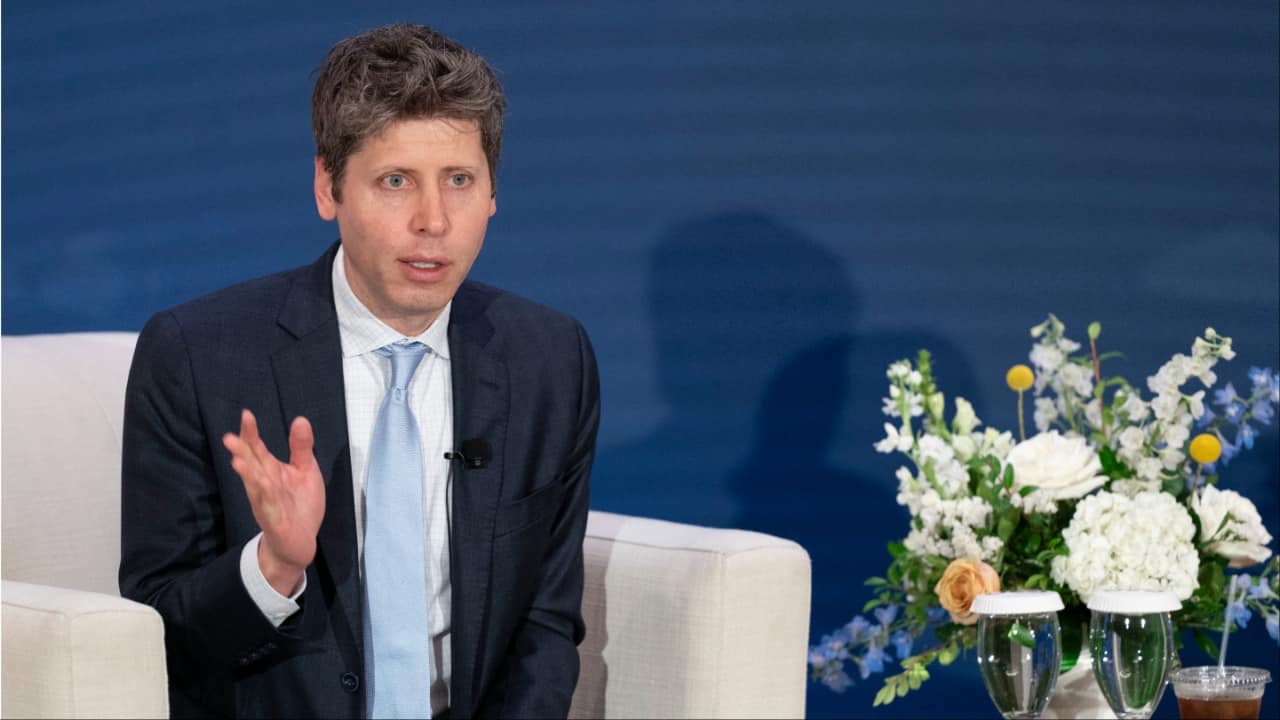
Meta to build C$13 billion data center in Alberta for AI operations
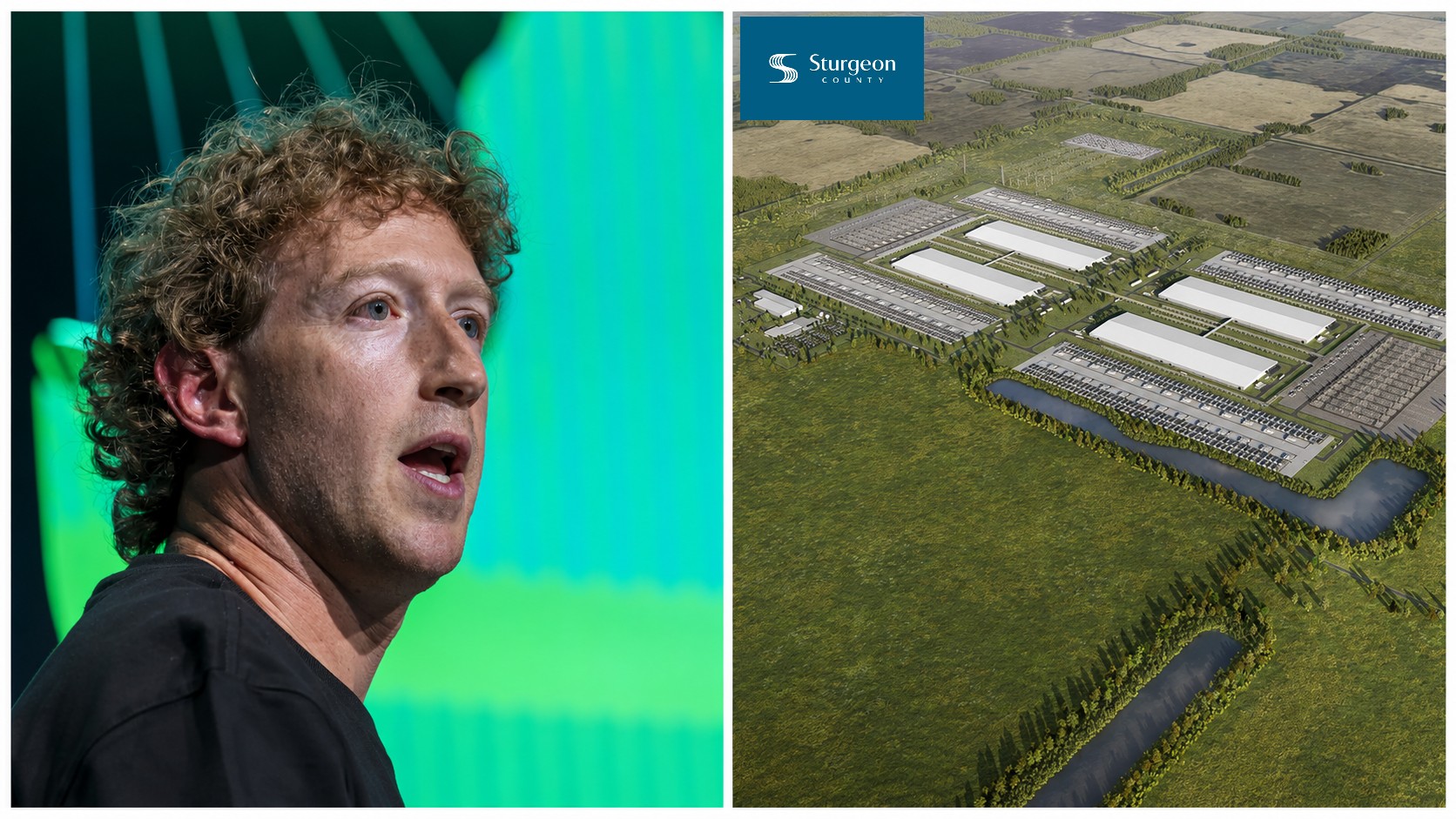
Meta has announced plans for a 2.9 million square foot data center in Sturgeon County, marking the company’s first such investment in Canada. The project aims to support global artificial intelligence operations and will include significant infrastructure funding.
Meta has announced the construction of a massive, gigawatt-scale data center campus in Sturgeon County, Alberta, marking the company’s first such investment in Canada. The project, officially unveiled on Wednesday, 8 July 2026, represents a capital investment of C$13 billion and stands as the company's 33rd data center worldwide.
Situated approximately 35 kilometers north of Edmonton, the facility is located within Alberta’s Industrial Heartland, a region zoned for heavy industry for four decades. The site will span roughly 2.9 million square feet and is designed to support Meta's global artificial intelligence operations, including the infrastructure required for platforms such as Facebook, Instagram, WhatsApp, Messenger, and Threads.
Related media


Energy Strategy and Infrastructure
The project arrives as tech firms navigate the increasing power requirements of AI workloads. Meta has secured a long-term tolling agreement with the Greenlight Electricity Centre, a C$4.6 billion, 970-megawatt natural gas-fired facility currently under development in Sturgeon County. The power plant is a joint venture by Pembina Pipeline, Morgan Stanley Infrastructure Partners, and Kineticor. It was announced on 2 July 2026 and is scheduled to become operational in the second half of 2030.
To support its energy needs before the Greenlight facility is completed, Meta has arranged for Capital Power to provide 250 megawatts of electricity from its existing natural gas-fired fleet. The project will eventually require approximately 150 million cubic feet of natural gas per day. Meta stated it will fully fund new generation and grid infrastructure to ensure the project does not negatively impact existing power consumers. The company also intends to offset its electricity consumption by investing in clean and renewable energy projects in the region.
Economic and Operational Projections
Meta estimates that the project will create approximately 3,000 jobs at the peak of construction and support 300 permanent positions once fully operational. The provincial government anticipates the data center will generate roughly C$250 million annually through royalties, taxes, levies, and fees. Additionally, Meta has committed C$60 million toward local infrastructure upgrades, focusing on roads and water systems.
Regarding water usage, Meta has confirmed the facility will utilize a closed-loop, liquid cooling system. The company stated that this design limits water consumption to domestic needs, fire protection, and equipment maintenance.
Differing Perspectives
The provincial government views the project as a catalyst for future investment. According to Technology Minister Nate Glubish, the Alberta Electric System Operator is currently tracking 41 potential data center projects in the province. The province argues that Meta’s contribution to transmission fees—estimated at approximately C$100 million annually—will distribute fixed grid maintenance costs across a larger user base, potentially reducing transmission charges for other Albertan electricity users by up to six percent.
However, the project has faced opposition from environmental organizations. Keith Stewart of Greenpeace Canada has called for a moratorium on such mega-data centers, citing concerns over the environmental footprint of AI and the emissions intensity of the Alberta electricity grid, which remains heavily reliant on natural gas compared to the national average. the Pembina Institute has expressed concerns that the high demand for natural gas could lead to rising electricity costs for households in the future.
Site work is expected to begin shortly, with no firm completion date set by Meta. The facility joins a broader trend of data center development in the region as the province seeks to establish itself as a hub for artificial intelligence infrastructure.
How significant is this development?
Contribute your assessment to the aggregated reader intelligence ledger.
Archypedia is dedicated to independent, evidence-backed reporting. This briefing was synthesized from primary source reporting, corroborated across independent newsrooms, and verified against our Editorial Standards.
Transparency record
Evidence behind this report
This report synthesizes 12 distinct sources. Open the source ledger below to compare the underlying coverage.
- apnews.com
- finance.yahoo.com
- newsbytesapp.com
- energynow.com
- culturealberta.com
- globalnews.ca
- primexbt.com
- about.fb.com
- cbc.ca
- worldenergynews.com
- digitaljournal.com
- cryptopolitan.com
Prepared under the Archypedia Editorial Policy by the Elena Voss editorial desk profile. AI-assisted tools may support drafting and verification; public accountability remains with Archypedia. Report an error.