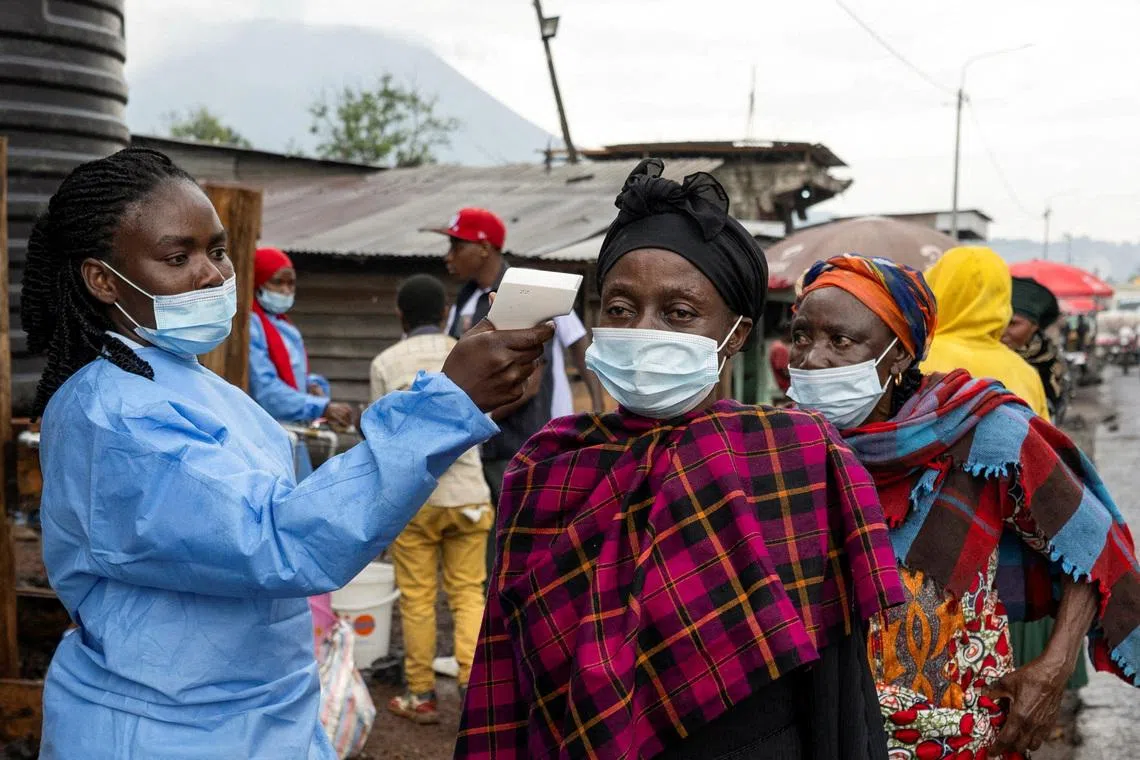
Cancer cases expected to soar worldwide, WHO report finds
A new report from the World Health Organization and the IARC warns that annual cancer cases are expected to reach nearly 35 million by 2050. The findings highlight significant global disparities in access to care and survival rates, alongside urgent calls for improved prevention strategies.
The global health community faces a looming crisis as new cancer diagnoses are projected to surge significantly over the next quarter-century. According to the Global Status Report on Cancer 2026, released by the World Health Organization and the International Agency for Research on Cancer (Iarc), annual cancer cases are expected to climb from approximately 20.6 million to nearly 35 million by 2050.
This projected increase, outlined in the report released 8 July 2026, reflects a growing burden that threatens to overwhelm healthcare systems worldwide. Experts warn that the rise is driven by a combination of aging populations, demographic growth, and the persistence of preventable risk factors, including tobacco use, alcohol consumption, high body mass index, and environmental exposures. While some regions report declining rates of certain cancers due to robust public health policies, these gains remain inconsistent.
Related media
Inequities in Survival and Access
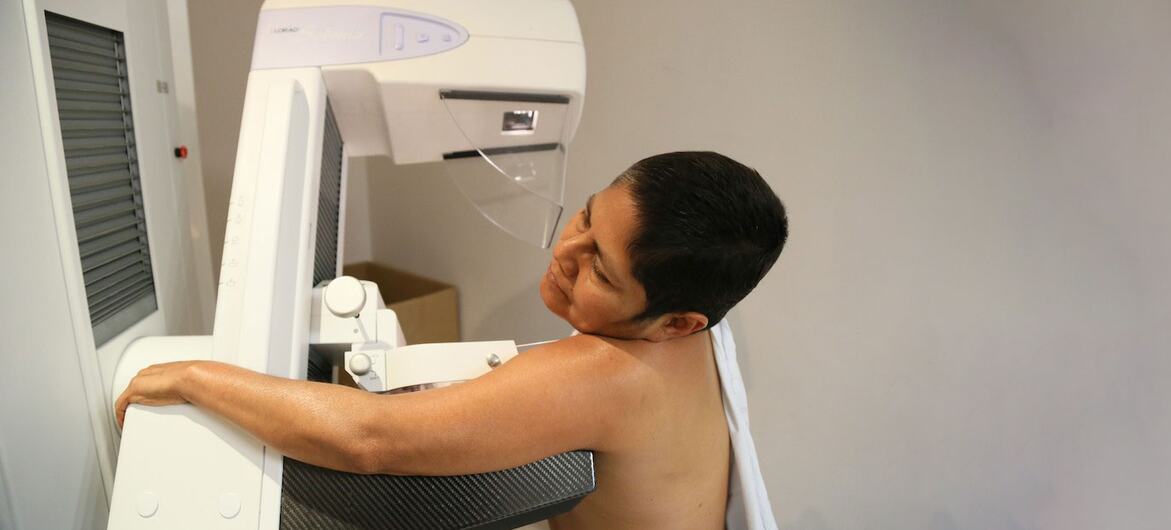
The report underscores that the impact of cancer is far from uniform, highlighting persistent and widening disparities in access to care. In high-income countries, the five-year survival rate for breast cancer exceeds 85%, whereas in low-income nations, the figure often drops below 45%. This divide extends to essential services; in many lower-resource settings, radiation facilities are absent, and access to the top 20 priority cancer medicines is severely limited, ranging between 9% and 54% compared to 68% to 94% in wealthier nations.
"Cancer is a deeply personal disease that touches nearly all of us. But whether a person survives cancer should never depend on where they were born or what they earn. The inequities documented in this report are not inevitable; they are the consequence of choices, and they can be reversed through stronger and unified action."
Dr Tedros Adhanom Ghebreyesus, WHO Director-General, via PAHO
The Human and Economic Toll
Beyond the clinical diagnosis, cancer serves as a major driver of social and economic instability. WHO estimates that 92% of the world's population is personally affected by the disease, either through their own diagnosis or that of a close family member. The organization's first global survey of patients and families reveals that at least 45% experience catastrophic financial hardship, which often leads to debt, food insecurity, and the interruption of children's education. In many settings, these high out-of-pocket costs force patients to abandon treatment entirely.
Despite this, fewer than one in three countries currently include comprehensive cancer care in their universal health coverage packages.
Pathways to Improvement
While the projections are sobering, health experts emphasize that the future is not preordained. Approximately four in 10 cancer cases are linked to preventable risk factors. Dr. Isabelle Soerjomataram, deputy head of the IARC’s surveillance unit, noted that the world already possesses the knowledge to address these drivers, including tobacco control and vaccination programs.
- Prevention: Continued efforts to reduce tobacco use, which has already declined by 27% globally since 2010.
- Policy: Strengthening national cancer control plans, which are now in place in 82% of countries, up from 50% in 2010.
- Strategy: Shifting to a people-centered approach that incorporates the lived experiences of survivors and caregivers into policy design.
Researchers stress that success will depend on moving beyond scientific discovery toward implementation—focusing on financing, workforce development, and ensuring that life-saving diagnostics and treatments reach those in underserved regions. As populations continue to age, the need for integrated, equitable care remains the most urgent priority for governments and international organizations alike.
How significant is this development?
Contribute your assessment to the aggregated reader intelligence ledger.
Archypedia is dedicated to independent, evidence-backed reporting. This briefing was synthesized from primary source reporting, corroborated across independent newsrooms, and verified against our Editorial Standards.
Transparency record
Evidence behind this report
This report synthesizes 11 distinct sources. Open the source ledger below to compare the underlying coverage.
- rejoyhealth.com
- theguardian.com
- iarc.who.int
- paho.org
- globalnews.ca
- yahoo.com
- globalissues.org
- oncodaily.com
- detroitnews.com
- aol.com
- sciencedaily.com
Prepared under the Archypedia Editorial Policy by the Lina Park editorial desk profile. AI-assisted tools may support drafting and verification; public accountability remains with Archypedia. Report an error.