Hummingbirds accelerated bromeliad evolution over 20 million years
A study reveals that hummingbirds have significantly accelerated the diversification of the bromeliad plant family, driving new species creation at twice the rate of other pollinators.
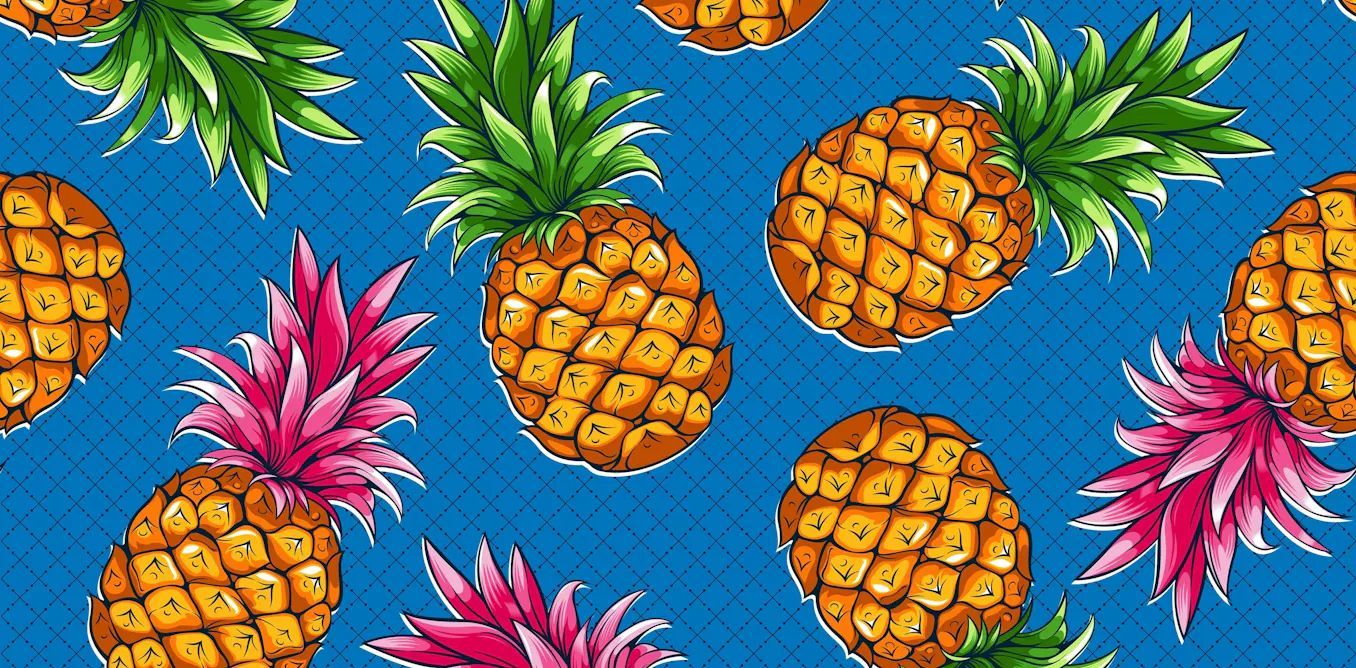
The evolutionary history of the bromeliad family, which includes the common pineapple and thousands of other plant species, has been significantly accelerated by a long-term, specialized relationship with hummingbirds. Research reveals that this partnership has acted as a biological engine, driving the diversification of these plants at a rate twice as high as that of bromeliads reliant on other pollinators.
An Evolutionary Accelerator
The University of Reading study, published in the Botanical Journal of the Linnean Society, examined the history of 403 bromeliad species. By reconstructing the evolution of these plants over the past 20 million years, researchers determined that while early bromeliads were likely pollinated by insects, the introduction of hummingbirds fundamentally altered the family's trajectory. According to Science X, hummingbird-pollinated bromeliads generate new species at a rate of 2.77 per million years, compared to just 1.46 for those pollinated by other creatures like bees, bats, or moths.
Related media
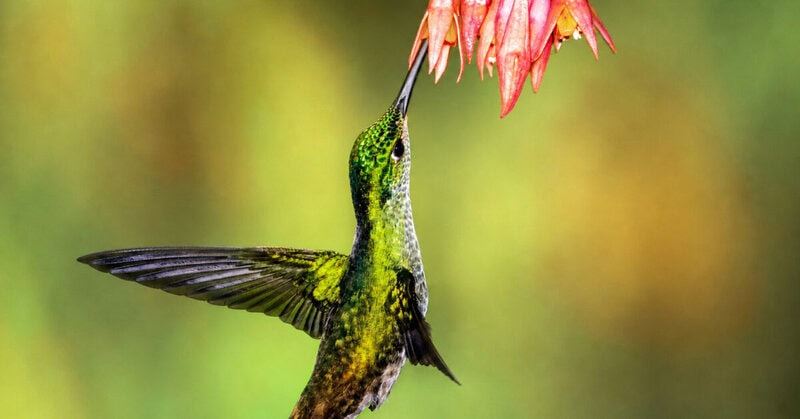
This phenomenon stems from the specific behavior of hummingbirds. Unlike generalist insects, hummingbirds are highly mobile and often exhibit strong fidelity to specific floral morphologies. The physical fit between a bird's bill and a flower's shape can effectively create reproductive isolation between plant populations. As birds move across mountainous terrain, they connect some groups while bypassing others, forcing populations to drift apart genetically until they become distinct species. Dr. Jamie Thompson of the University of Reading noted that this process is particularly pronounced in high-altitude environments where peaks and valleys act as natural separators, further isolating the plants.
A Dynamic Relationship
The findings challenge traditional views of plants as passive recipients of external environmental pressures. Instead, the study suggests that bromeliads and hummingbirds have engaged in a reciprocal, coevolutionary dance.
"Bees and wasps were the first to pollinate bromeliads, the plant family that gave us the pineapple, but hummingbirds muscled in later, and not just once. Time and again, different branches of the family swapped one pollinator for another, and that swapping is still going on today."
Elizabeth Forward, lead author and Ph.D. researcher, via Newsbreak
This experimentation is still visible today. About one-quarter of bromeliad species have changed their primary pollinator within the last few million years. The commercial pineapple, Ananas comosus, remains a distant product of this ancient interaction. While modern growers often rely on vegetative cloning to propagate pineapples, the genetic diversity required for developing disease resistance or new flavor profiles is a direct result of the cross-pollination work performed by hummingbirds over millennia.
Conservation Concerns
The tight link between these birds and plants creates a precarious future for both groups. Many bromeliad species, particularly those in mountain forests, are threatened by habitat loss and climate change. Data indicates that as many as 81% of bromeliad species are predicted to be possibly threatened with extinction. The outlook for their primary pollinators is similarly concerning.
Because the rate of diversification is tied to the presence of these specific birds, the loss of hummingbird populations could potentially stagnate the evolutionary development of the entire bromeliad family. Researchers highlight that while some plants mitigate this risk by utilizing multiple types of pollinators, the loss of these specialized interactions may have ecological consequences that are difficult to measure in the short term. The following points summarize the current understanding of this evolutionary system:
- Speciation Rates: Hummingbird-pollinated lineages evolve into new species at nearly double the speed of those relying on other pollinators.
- Timeline: The primary radiation of this diversity occurred over the last 20 million years, a short duration in geological terms.
- Adaptation Mechanisms: Bromeliads have evolved diverse traits, including Cam photosynthesis and epiphytic growth, to occupy varied ecological niches in the neotropics.
As scientists continue to map the genetic and morphological shifts within the Bromeliaceae family, the role of hummingbirds as active architects of tropical biodiversity remains a primary focus of study. The research serves as a reminder that the characteristics of modern flora are often the outcome of intricate, long-term animal behaviors that remain susceptible to environmental disruptions.
How significant is this development?
Contribute your assessment to the aggregated reader intelligence ledger.
Archypedia is dedicated to independent, evidence-backed reporting. This briefing was synthesized from primary source reporting, corroborated across independent newsrooms, and verified against our Editorial Standards.
Transparency record
Evidence behind this report
This report synthesizes 5 distinct sources. Open the source ledger below to compare the underlying coverage.
Prepared under the Archypedia Editorial Policy by the Niko Vale editorial desk profile. AI-assisted tools may support drafting and verification; public accountability remains with Archypedia. Report an error.