Frog gut bacterium Ewingella americana eliminates tumors in mice
A study published in Gut Microbes details how the bacterium Ewingella americana, isolated from Japanese tree frogs, achieved 100% tumor clearance in mice.
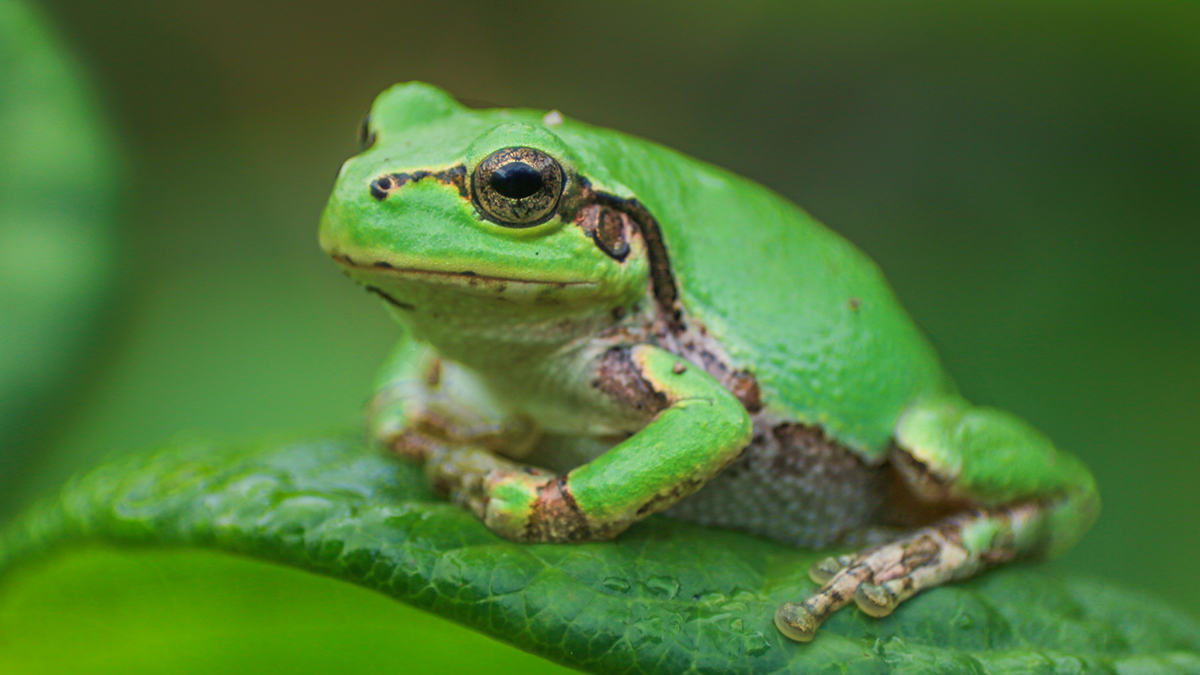
Researchers have identified a naturally occurring bacterium within the digestive tracts of Japanese tree frogs (Dryophytes japonicus) capable of eliminating colorectal tumors in mice. The study, published 10 December 2025 in the journal Gut Microbes, details how the strain Ewingella americana outperformed standard oncological treatments, including chemotherapy and immunotherapy, in preclinical models.
The research team, led by Eijiro Miyako at the Japan Advanced Institute of Science and Technology, shifted away from traditional microbiome modulation strategies — such as dietary changes or fecal transplants — to evaluate isolated, cultured bacterial strains as direct therapeutic agents. After screening 45 bacterial strains collected from tree frogs, Japanese fire belly newts (Cynops pyrrhogaster), and Japanese grass lizards (Takydromus tachydromoides), the team isolated nine candidates with anti-tumor potential, with E. Americana producing the most significant results.
Related media

Dual-Action Mechanism
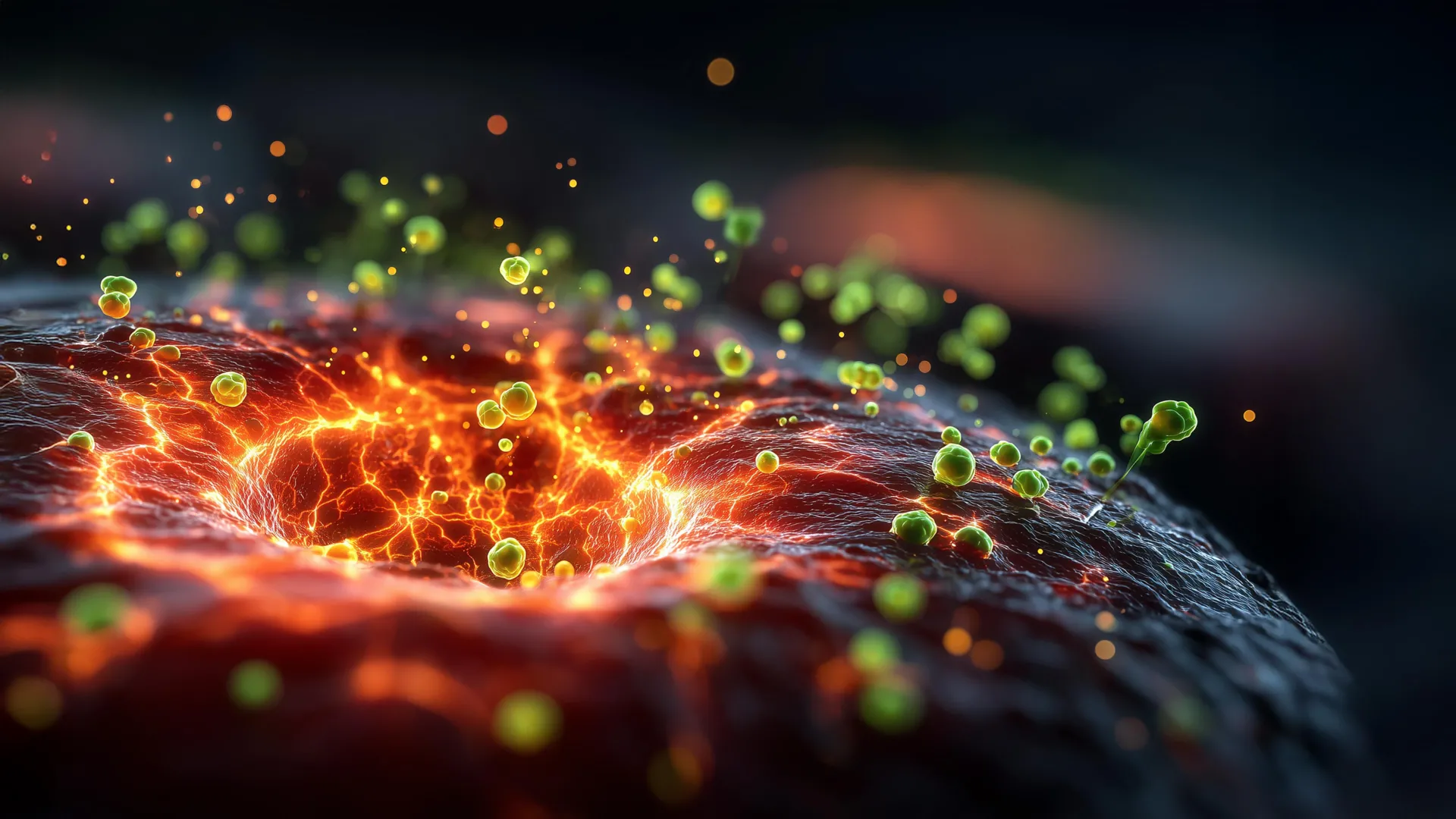
According to the findings, the bacterium functions through a coordinated two-pronged approach. As a facultative anaerobic organism, E. Americana preferentially accumulates in the oxygen-deprived, hypoxic environment characteristic of solid tumors. Within 24 hours of an intravenous injection, the bacterial population inside the tumors increases roughly 3,000-fold, allowing it to directly damage cancer cells while leaving healthy organs unaffected.
Simultaneously, the bacterium acts as an immunomodulator. Its presence recruits T cells, B cells, and neutrophils to the site of the malignancy. These immune cells release inflammatory signaling molecules, such as TNF-α and IFN-γ, which further promote cancer cell death. This interaction appears to create lasting immunity; in observed cases, mice cured by the treatment successfully rejected attempts to re-introduce cancer cells 30 days later.
Performance and Safety Profile
In comparative testing against established therapies, specifically the chemotherapy drug liposomal doxorubicin and anti-PD-L1 immune checkpoint inhibitors, the frog-derived bacterium achieved a 100% complete response rate in treated mice.
Regarding safety, the researchers reported that E. Americana was rapidly cleared from the bloodstream, with a half-life of approximately 1.2 hours, and became undetectable within 24 hours. No bacterial colonization was observed in vital organs, including the heart, lungs, liver, spleen, or kidneys. While the treatment induced temporary inflammation, researchers noted that these responses returned to normal within 72 hours, and no evidence of chronic toxicity appeared during a 60-day observation period.
Clinical Path and Considerations
Despite these findings, experts caution that the transition from mouse models to human application is complex. While E. Americana displayed minimal toxicity in healthy mice, the same species has been associated with sepsis in immunocompromised humans in clinical case reports. Because cancer patients often exhibit compromised immune systems, any potential move toward clinical trials will require rigorous safety engineering and regulatory oversight.
The researchers emphasize that this work serves as a proof of concept for using naturally occurring, non-engineered bacteria as a therapeutic platform. Future investigations will evaluate the following:
- Expanded Malignancies: Testing efficacy against breast, pancreatic, and melanoma cancer models.
- Delivery Methods: Optimizing administration through dose fractionation or direct intratumoral injection.
- Combination Therapies: Assessing whether the bacterium can enhance the efficacy of existing chemotherapy or immunotherapy regimens.
The research was supported by the Japan Society for the Promotion of Science and the Japan Science and Technology Agency. As the scientific community continues to explore the science of the microbiome, this discovery highlights the potential of biodiversity as a source for future oncological breakthroughs.
This discovery emerges from the ecological observation that spontaneous tumors are rare in amphibians and reptiles, despite these animals living in pathogen-rich environments and undergoing significant physiological stress, such as metamorphosis and regeneration. By examining the gut microbiota of these species, the researchers sought to determine if evolutionary adaptations included microbial defense mechanisms. The success of E. Americana in this capacity suggests that the microbial diversity of lower vertebrates remains a largely untapped resource for developing non-genetically modified therapeutic agents.
The study highlights a distinct shift in oncological research, where bacteria are increasingly recognized for their ability to navigate the complex microenvironments of solid tumors. Unlike traditional chemical therapies, which must circulate systemically, the bacterial approach utilizes the internal properties of the tumor, such as leaky blood vessels and suppressed immune activity, as a homing system. While the current results are localized to colorectal cancer models, the researchers intend to determine if the therapeutic window for this bacterium extends to other malignancies that share these specific tumor-environment hallmarks.
How significant is this development?
Contribute your assessment to the aggregated reader intelligence ledger.
Archypedia is dedicated to independent, evidence-backed reporting. This briefing was synthesized from primary source reporting, corroborated across independent newsrooms, and verified against our Editorial Standards.
Transparency record
Evidence behind this report
This report synthesizes 12 distinct sources. Open the source ledger below to compare the underlying coverage.
- refractor.io
- sciencedaily.com
- yahoo.com
- scitechdaily.com
- sciencealert.com
- oncodaily.com
- visimade.com
- technologynetworks.com
- genengnews.com
- singularityhub.com
- nypost.com
- healearth.substack.com
Prepared under the Archypedia Editorial Policy by the Niko Vale editorial desk profile. AI-assisted tools may support drafting and verification; public accountability remains with Archypedia. Report an error.