Nintendo sets Switch 2 price at 499 dollars starting September 1
Nintendo has officially announced a global price hike for the Switch 2 console, citing rising component costs and semiconductor market volatility. The adjustment sets the new U.S. retail price at $499.99 starting September 1, 2026.
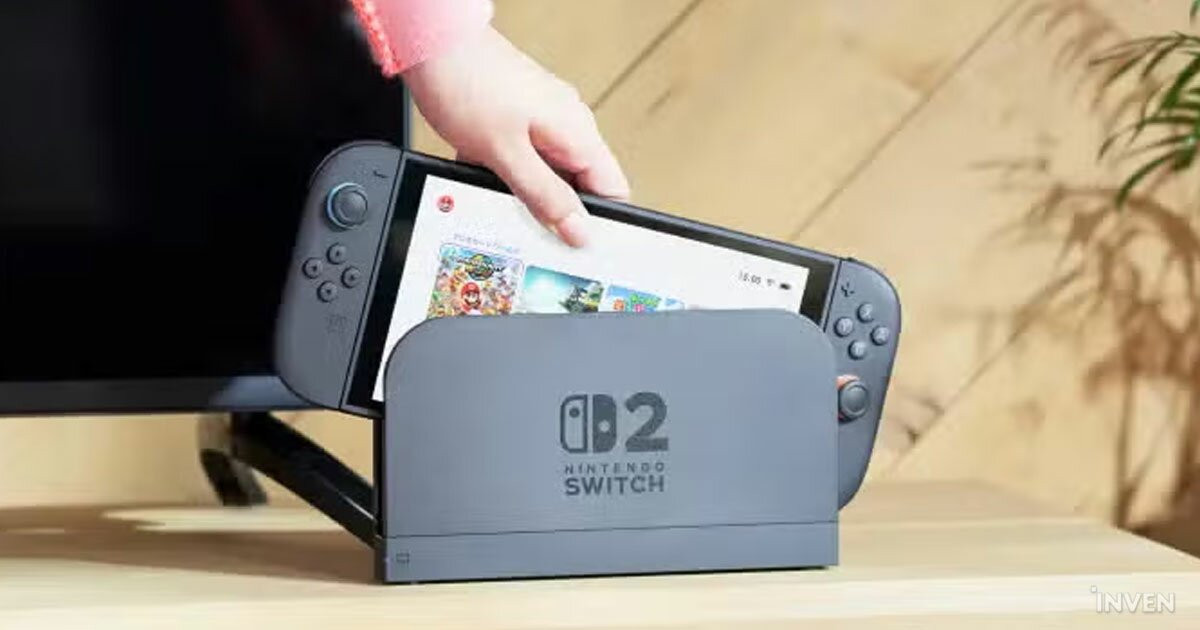
Nintendo has officially confirmed that the retail price of the Switch 2 console will increase globally, with the new pricing taking effect in the United States, Canada, and Europe on 1 September 2026. This adjustment marks a shift in the hardware’s market positioning less than a year after its June 2025 launch. In the United States, the console will move from its current price of $449.99 to $499.99.
The decision follows a period of intense volatility within the global semiconductor market. According to official notices from Nintendo Co., Ltd., the company cites changes in market conditions
as the primary driver behind the move, specifically noting that these pressures are expected to persist over the medium to long term. These conditions include a sharp rise in the cost of dynamic random-access memory (DRAM), which has seen prices nearly double as gaming hardware manufacturers find themselves competing for supply against the rapid expansion of AI data centers.
Related media

Global Pricing Adjustments
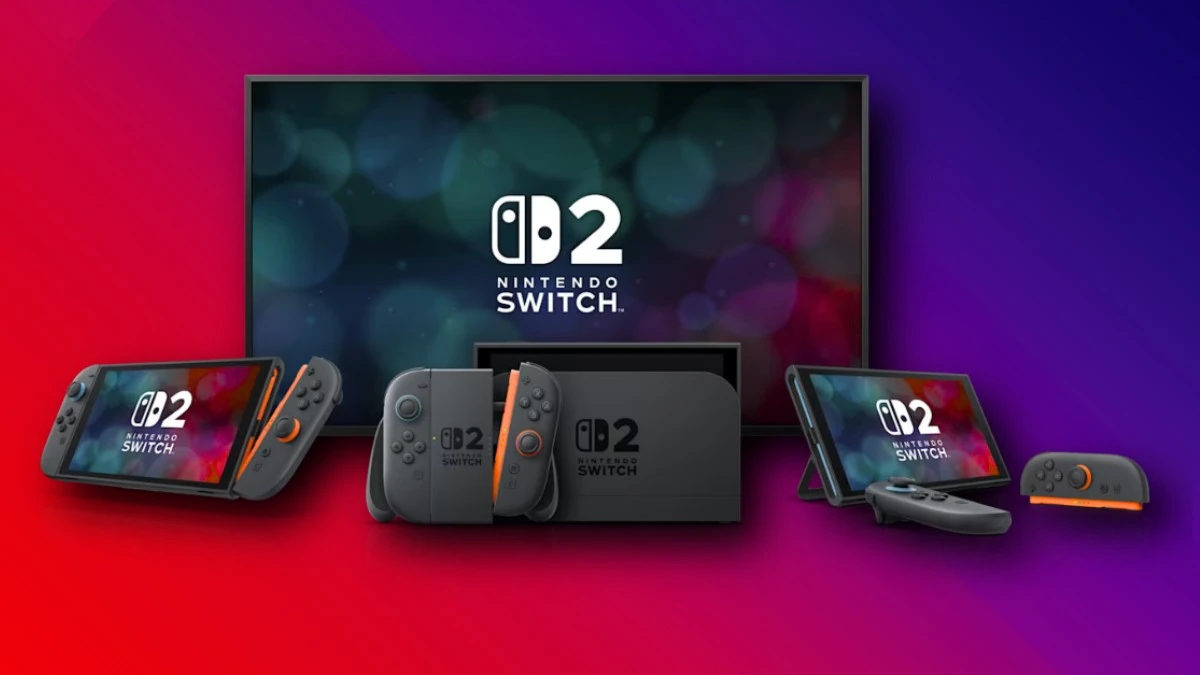
While the September 1 increase applies to Western markets, Japanese consumers faced earlier changes. Effective 25 May 2026, the price for the Japanese-language version of the Switch 2 in Japan rose by ¥10,000, moving from ¥49,980 to ¥59,980. Nintendo noted that the multi-language version of the console, sold exclusively through the My Nintendo Store, remains at its original price. Furthermore, the company has confirmed that additional regional adjustments are planned, with details to be provided by local subsidiaries.
| Region | Effective Date | New Price |
|---|---|---|
| United States | 1 September 2026 | $499.99 |
| Canada | 1 September 2026 | 679.99 CAD |
| Europe | 1 September 2026 | 499.99 EUR |
| Japan (JP Language Model) | 25 May 2026 | ¥59,980 |
Economic Context and Corporate Forecast
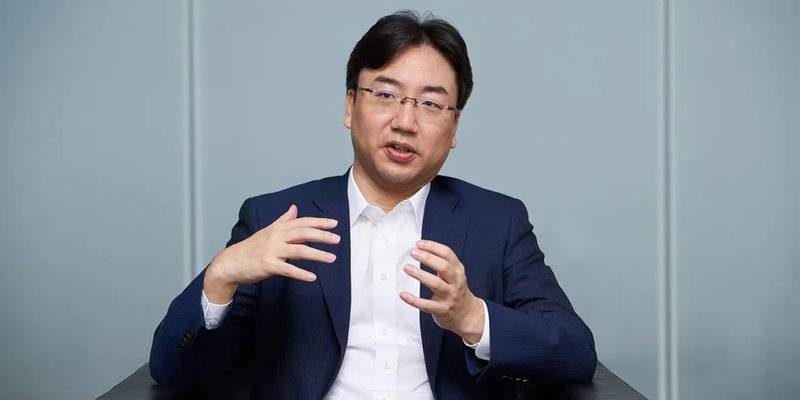
In its fiscal earnings disclosure on 8 May 2026, Nintendo projected that the combination of rising component costs and international trade tariffs would add approximately ¥100 billion to its operating expenses for the fiscal year ending 31 March 2027. Nintendo President Shuntaro Furukawa has addressed investor concerns regarding profitability, stating that the company must align its pricing policy with these structural shifts in manufacturing costs. Furukawa explained that while the company previously absorbed these pressures, the scale of the cost increases necessitated a formal revision.
The company also noted that its sales expectations for the current fiscal year have been tempered. Nintendo forecasts 16.5 million units for the current period, down from 19.86 million units in the previous year. Serkan Toto, CEO of Kantan Games, observed that Nintendo is bucking the typical console lifecycle trend, which usually sees hardware sales increase in the second year. To mitigate this, Nintendo plans to emphasize a robust software release schedule, projecting a 23% increase in software unit sales to 60 million for the year.
Impact on Services and Legacy Hardware
Beyond the Switch 2, the price revisions have extended to other areas of the business:
- Nintendo Switch Online: Subscription rates for individual and family plans, including the Expansion Pack, increased in Japan on 1 July 2026. Nintendo has confirmed similar revisions are planned for South Korea, though specific details for North American and European subscription services remain unannounced.
- Legacy Hardware: In Japan, the prices for the original Switch, Switch OLED, and Switch Lite models were also raised on 25 May 2026.
- Traditional Products: As of 25 May 2026, Nintendo transitioned to open pricing for its traditional playing cards, including Hanafuda and Kabufuda sets, citing rising material costs.
"We sincerely apologize for the impact these price revisions may have on our customers and other stakeholders, and we deeply appreciate your understanding."
Nintendo, Official Statement, via Gamingamigos
What to Watch Next
- Regional Announcements: Local Nintendo subsidiaries are expected to announce specific pricing timelines for territories not yet included in the September 1 global rollout.
- Supply Chain Stability: With major memory manufacturers such as SK Hynix and Micron suggesting that component tightness could persist through 2028, market observers are watching to see if hardware pricing remains fixed or if further adjustments will be necessary.
- Software Performance: Nintendo’s reliance on its software roadmap—including upcoming titles—will be the primary metric for whether the company can maintain player engagement despite the higher hardware barrier to entry.
How significant is this development?
Contribute your assessment to the aggregated reader intelligence ledger.
Archypedia is dedicated to independent, evidence-backed reporting. This briefing was synthesized from primary source reporting, corroborated across independent newsrooms, and verified against our Editorial Standards.
Transparency record
Evidence behind this report
This report synthesizes 7 distinct sources. Open the source ledger below to compare the underlying coverage.
- bitsfrombytes.com
- invenglobal.com
- gamingamigos.com
- gameranx.com
- gosugamers.net
- perfectly-nintendo.com
- respawn.outlookindia.com
Prepared under the Archypedia Editorial Policy by the Niko Vale editorial desk profile. AI-assisted tools may support drafting and verification; public accountability remains with Archypedia. Report an error.