Acinetobacter baumannii genome study reveals decades of superbug evolution
Researchers reconstructed the evolutionary history of Acinetobacter baumannii by sequencing samples dating back to the 1970s. The study reveals how the bacterium evolved in waves to acquire resistance traits and survive medical interventions.

Researchers have uncovered how the hospital pathogen Acinetobacter baumannii evolved into a global, drug-resistant threat by tracking its genetic history across decades. A new study, published in the journal Microbial Genomics, reveals that the bacterium did not emerge suddenly but instead accumulated resistance traits in sequential waves, eventually tightening its grip on healthcare settings worldwide. This analysis provides a clearer understanding of how antibiotic resistance persists and adapts in hospital environments, offering insights that experts say are essential for future infection control policies.
The research, led by the University of East Anglia (UEA) in collaboration with the Quadram Institute and international partners in Canada and Mexico, utilized historical bacterial samples dating back to the 1970s. By extracting and sequencing DNA from 226 of these decades-old isolates, the team combined historical data with over 1,000 modern genomes from across six continents. This reconstruction allowed scientists to identify critical turning points in the pathogen's development, specifically the acquisition of genetic elements like the oxa23 gene, which conferred resistance to powerful antibiotics and effectively "supercharged" the bacterium’s ability to survive medical intervention.
Related media

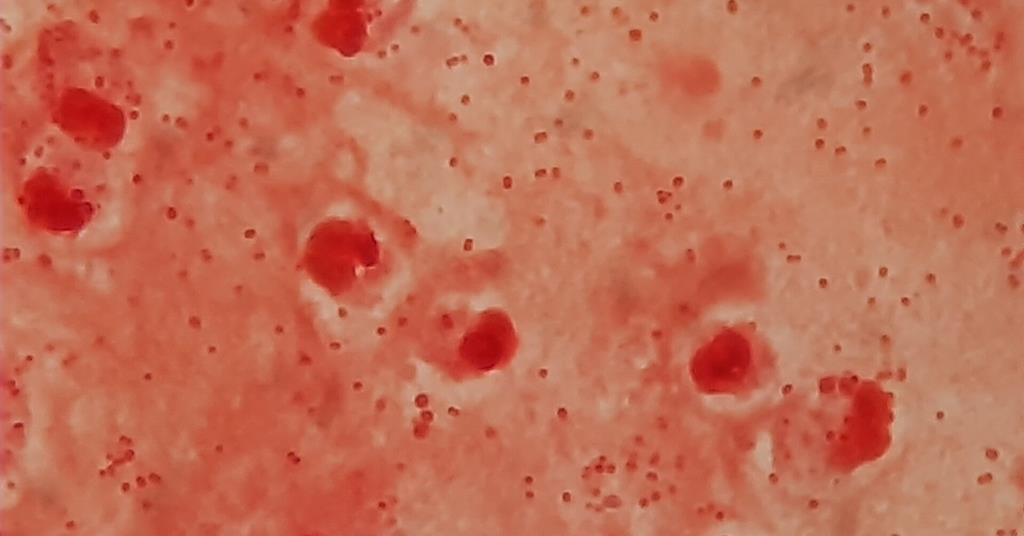

According to Dr. Benjamin Evans of UEA’s Norwich Medical School, the organism’s rise was a gradual process that gained momentum by the mid-2000s. What we found is that it has adapted in waves, with each wave producing bacteria that were better adapted to resist antibiotics than the previous wave,
Evans stated. The study further identified that A. Baumannii is not a uniform strain but consists of at least four distinct groups. While three lineages show a step-by-step evolutionary trajectory, a fourth group has branched off independently and is being detected with increasing frequency, suggesting that a new, potentially more resilient variant may be emerging.
This study on A. Baumannii occurs against a broader backdrop of rising antimicrobial resistance in healthcare. Other pathogens, such as Enterococcus faecium (VREfm), have also been documented evolving to gain competitive advantages within hospitals. Research published in Nature Microbiology indicated that dominant strains of VREfm have evolved to produce bacteriocins — natural toxins used to eliminate rival microbial strains — allowing them to monopolize resources within a patient's microbiome.
Similarly, other resistant organisms, including Candida auris, a fungal pathogen described by the CDC as an "urgent antimicrobial threat", continue to challenge clinical diagnostics. Experts emphasize that the genetic evolution of these pathogens, whether through the acquisition of resistance genes or the development of competitive toxins, necessitates improved global surveillance and updated treatment strategies.
What to Watch Next in Superbug Research
- Surveillance of Group 4 Lineages: Researchers are tracking the "group 4" A. Baumannii variant to see if it becomes the dominant strain in future clinical samples.
- Alternative Therapies: Scientific focus is shifting toward repurposing bacteriocins or targeting specific survival mechanisms, such as iron-scavenging in fungal pathogens, as potential new avenues for treatment.
- Diagnostic Development: Continued efforts are needed to create rapid diagnostic tests, as many of these evolving threats are frequently misdiagnosed, delaying critical intervention.
Understanding these evolutionary patterns remains a priority for organizations such as the UKRI-Biotechnology and Biological Sciences Research Council, which supported the A. Baumannii study. Dr. Sadhana Sharma noted that the work underscores the necessity of long-term investment in fundamental bioscience to stay ahead of pathogens that are continuously responding to modern medical practices.
How significant is this development?
Contribute your assessment to the aggregated reader intelligence ledger.
Archypedia is dedicated to independent, evidence-backed reporting. This briefing was synthesized from primary source reporting, corroborated across independent newsrooms, and verified against our Editorial Standards.
Transparency record
Evidence behind this report
This report synthesizes 6 distinct sources. Open the source ledger below to compare the underlying coverage.
- the-microbiologist.com
- technologynetworks.com
- quadram.ac.uk
- foxnews.com
- scitechdaily.com
- digitaljournal.com
Prepared under the Archypedia Editorial Policy by the Niko Vale editorial desk profile. AI-assisted tools may support drafting and verification; public accountability remains with Archypedia. Report an error.