Toxoplasma gondii parasite found to hold complex subtypes within brain cysts
A study reveals that Toxoplasma gondii forms complex, active hubs in brain tissue, which helps explain why current treatments struggle to eliminate the infection.

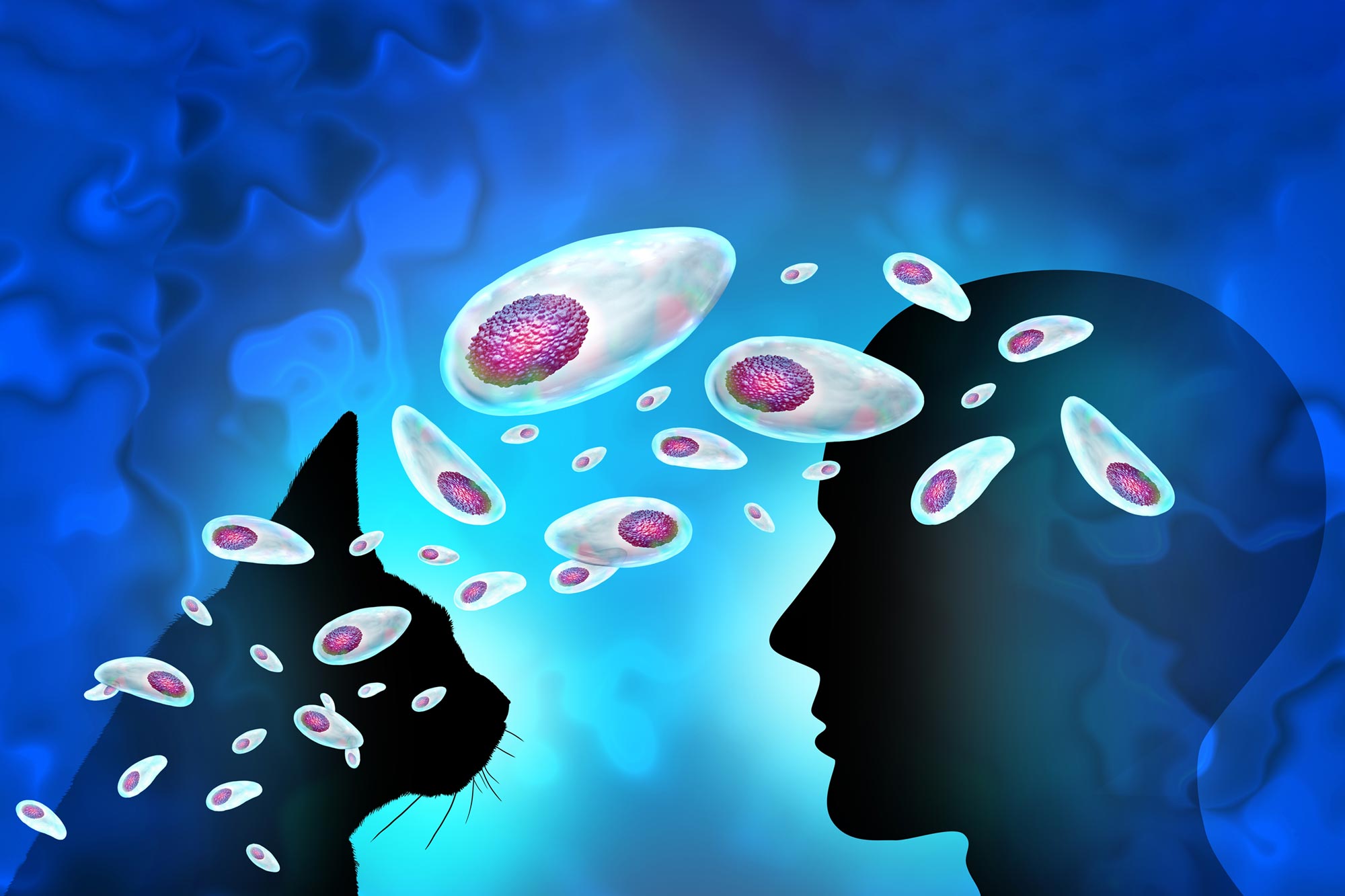
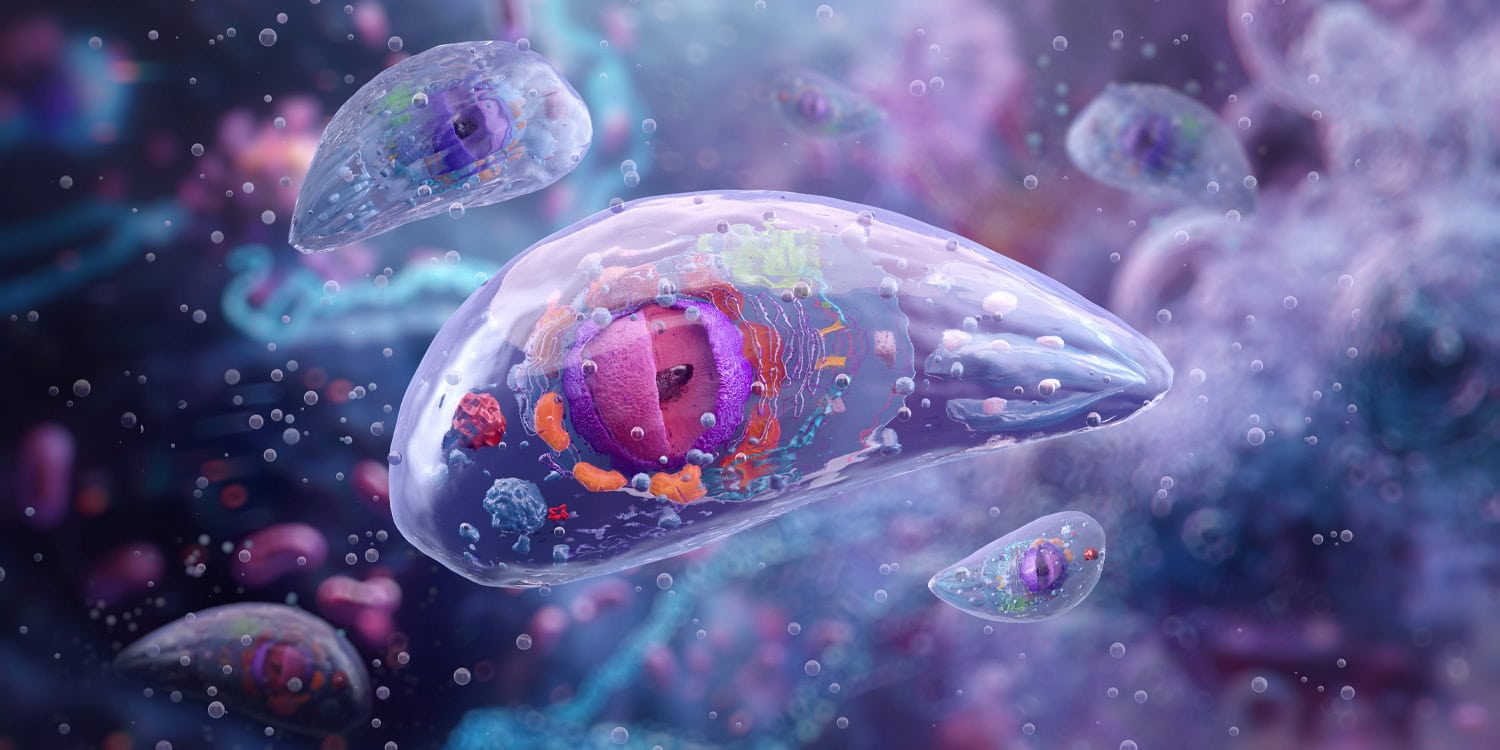
A parasitic infection long regarded as a dormant passenger in the human brain is proving to be far more active than previously understood. Recent research published in Nature Communications on 24 January 2026 has revealed that Toxoplasma gondii — a single-celled organism estimated to infect roughly one-third of the global population — maintains complex, specialized subpopulations within the cysts it forms in brain and muscle tissue. This discovery challenges the long-held scientific assumption that these cysts contain a uniform, inactive population of the parasite, instead identifying them as dynamic hubs of biological activity.
According to findings from the University of California, Riverside, these cysts contain at least five distinct subtypes of the parasite, known as bradyzoites. While all are classified as bradyzoites, they perform specialized roles geared toward survival, long-term persistence, and the eventual reactivation of the parasite. This functional diversity helps explain why current medical treatments have struggled to eliminate the infection; while drugs can often control the fast-replicating "tachyzoite" stage responsible for acute illness, the persistent, structurally complex cysts remain resistant to existing therapies.
Related media

Beyond Dormancy: A Molecular Dialogue
The parasite’s influence extends beyond its physical presence in tissue. Separate research published in PLOS Pathogens highlights how Toxoplasma gondii manipulates brain chemistry through extracellular vesicles, tiny membrane-bound "packages" used by neurons to send signals to other cells. The study found that infected neurons produce fewer of these vesicles, and the ones they do release are fundamentally altered. These packages contain parasite-derived proteins, such as GRA7, which can travel to nearby support cells called astrocytes.
Once absorbed by astrocytes, these parasite-altered vesicles trigger changes in gene expression and reduce the levels of a critical protein called GLT-1. This protein is essential for clearing excess glutamate from the brain; its depletion can lead to imbalances in the chemical environment. Researchers suggest this mechanism allows the parasite to influence host brain function without relying on a standard immune response, potentially shifting cognitive and behavioral outcomes.
Societal and Economic Implications
Because the parasite can cross the blood-brain barrier by hijacking immune cells, it establishes a lifelong presence in a large segment of the human population. In the United States, estimates suggest 10 to 30 percent of the population carries the parasite. While many remain symptom-free, the potential for long-term cognitive and behavioral shifts has prompted a push for greater recognition of toxoplasmosis. A paper published in PLOS Neglected Tropical Diseases argues that the condition meets the criteria for a "neglected tropical disease," a designation that supporters say would increase resources for public health policy and the development of a long-overdue vaccine.
Despite these associations, experts emphasize that the relationship between the parasite and human behavior is highly complex. While some studies have observed that infected individuals may exhibit slower reaction times or changes in risk assessment, the direct causal link to specific personality changes or mental health disorders remains a subject of ongoing investigation.
What to Watch Next
As scientists uncover the mechanisms of how Toxoplasma gondii persists and communicates within the brain, the focus of future research is shifting toward detection and precision therapy:
- Diagnostic Biomarkers: Researchers are investigating whether infection-specific extracellular vesicles can be detected in human blood, which would provide a more accurate diagnostic tool than current antibody tests.
- Targeted Drug Development: By identifying the specific parasite subtypes responsible for reactivation, scientists aim to design therapies that can target dormant cysts rather than only addressing active, acute infections.
- Policy Recognition: The international effort to classify toxoplasmosis as a neglected tropical disease continues, aiming to secure funding to address the "parasitic loop" that traps impoverished families in cycles of disability and economic loss.
While the prospect of a "mind-altering" parasite may be unsettling, experts reiterate that a healthy immune system is typically capable of keeping the infection in check. The current research does not suggest a cause for immediate alarm, but rather a need for a deeper, more granular understanding of how this ancient, widespread organism shapes the brain’s chemical architecture over the course of a lifetime.
How significant is this development?
Contribute your assessment to the aggregated reader intelligence ledger.
Archypedia is dedicated to independent, evidence-backed reporting. This briefing was synthesized from primary source reporting, corroborated across independent newsrooms, and verified against our Editorial Standards.
Transparency record
Evidence behind this report
This report synthesizes 6 distinct sources. Open the source ledger below to compare the underlying coverage.
Prepared under the Archypedia Editorial Policy by the Lina Park editorial desk profile. AI-assisted tools may support drafting and verification; public accountability remains with Archypedia. Report an error.