Ashwagandha boom driven by rising stress and anxiety, experts warn
Ashwagandha boom driven by rising stress and anxiety, experts warn
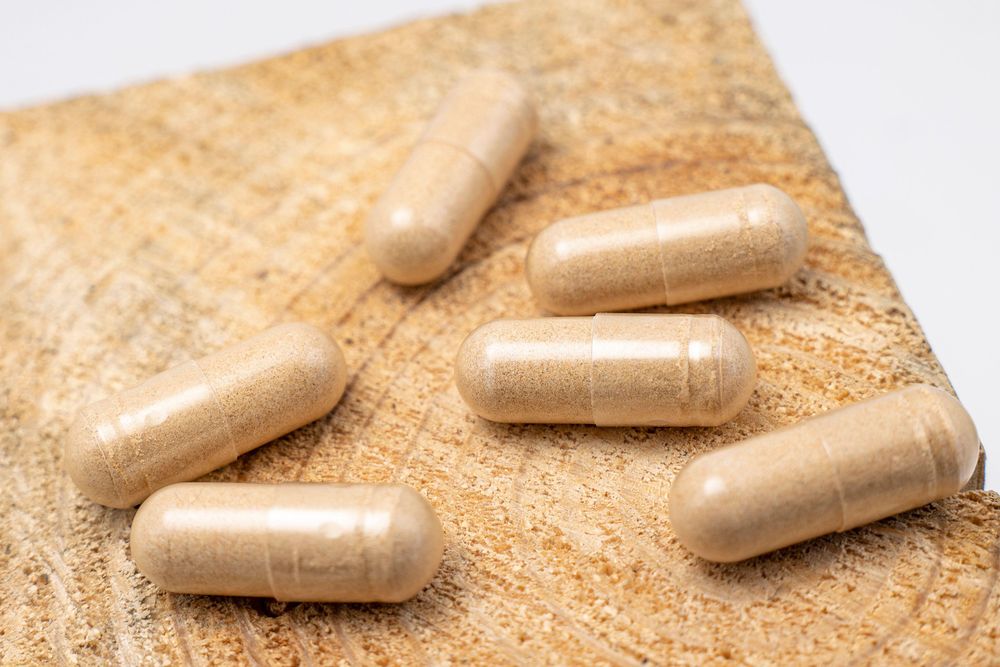
From the urban wellness studios of Cape Town to pharmacies in Durban, the substance is now widely available in powders, teas, and capsules. This rapid expansion in availability arrives alongside a notable shift in the local mental health climate, as the country grapples with rising levels of stress, anxiety, and burnout.
Market data suggests that the appetite for this supplement is significant. According to estimates from Grand View Research, South Africa now holds the position of the largest importer and consumer of ashwagandha within the Middle East and Africa region. The local market valuation reached approximately US$9.1 million in 2024 and is projected to climb to US$15.7 million by 2033, reflecting an intensifying trend in the pursuit of over-the-counter remedies.
Related media

Experts are linking this commercial growth to broader mental health challenges currently facing the population. Research conducted by Wits University indicates that 25.7% of South Africans experience clinical symptoms of moderate to severe depression. Dr. Ashleigh Craig, a researcher involved in the study, noted that the Covid-19 pandemic acted as a catalyst for these trends. Fear, uncertainty, and severe economic and social disruptions during that period exacerbated mental health struggles, while restricted access to in-person medical consultations and financial strain hindered the ability of many to secure comprehensive professional treatment.
Bonga Chiliza, head of the Department of Psychiatry at the University of KwaZulu-Natal, observes that psychiatrists have noted a surge in patients seeking care for depression and anxiety — ranging from first-time patients to individuals suffering from recurring symptoms. He suggests that the ongoing, high demand for psychiatric services may be driving consumers toward easily accessible, non-prescription alternatives like ashwagandha.
"It is quite a useful medicinal plant for people with mild depression and anxiety. We think it does help reduce stress, depression and anxiety in mild cases in some people. There's certainly some evidence of that."
Despite these potential benefits for mild cases, medical professionals caution that the supplement is often misunderstood and poorly regulated. Under the guidelines set by the South African Health Products Regulatory Authority (SAHPRA), ashwagandha is classified as an unregistered medicine under Category D: Complementary Medicines. While the authority approves its use for the relief of fatigue and sleeplessness, it explicitly advises individuals with autoimmune conditions or thyroid disorders to avoid the supplement.
Chiliza emphasizes that the "natural" label does not equate to an absence of systemic risk. Because the body processes the supplement via the liver — similar to pharmaceutical medications, it possesses the potential to interact negatively with prescribed treatments. He warns that consumers frequently adopt varied formulations and dosages without medical guidance. One man in his late 20s, who asked not to be identified, described experiencing dizziness and feelings of disorientation after taking the supplement for the first time. He said he felt detached from his surroundings and unusually dizzy after taking two doses on consecutive days. Despite the initial side effects, he continued using the supplement and said the symptoms eventually subsided.
Safety and Regulatory Guidelines
- Regulatory Status: Classified as an unregistered Category D Complementary Medicine by SAHPRA.
- Approved Uses: Relief of fatigue and sleeplessness.
- Primary Contraindications: Individuals with thyroid disorders or autoimmune conditions.
- Professional Advice: Consult a healthcare provider before use, particularly if taking prescription antidepressants.
The risk of consumers replacing prescribed antidepressants with over-the-counter herbal products without medical supervision remains a primary concern for mental health practitioners.
How significant is this development?
Contribute your assessment to the aggregated reader intelligence ledger.
Archypedia is dedicated to independent, evidence-backed reporting. This briefing was synthesized from primary source reporting, corroborated across independent newsrooms, and verified against our Editorial Standards.
Transparency record
Evidence behind this report
This report synthesizes 5 distinct sources. Open the source ledger below to compare the underlying coverage.
Prepared under the Archypedia Editorial Policy by the Lina Park editorial desk profile. AI-assisted tools may support drafting and verification; public accountability remains with Archypedia. Report an error.