Ebola outbreak cases rise to 534 in DR Congo and Uganda
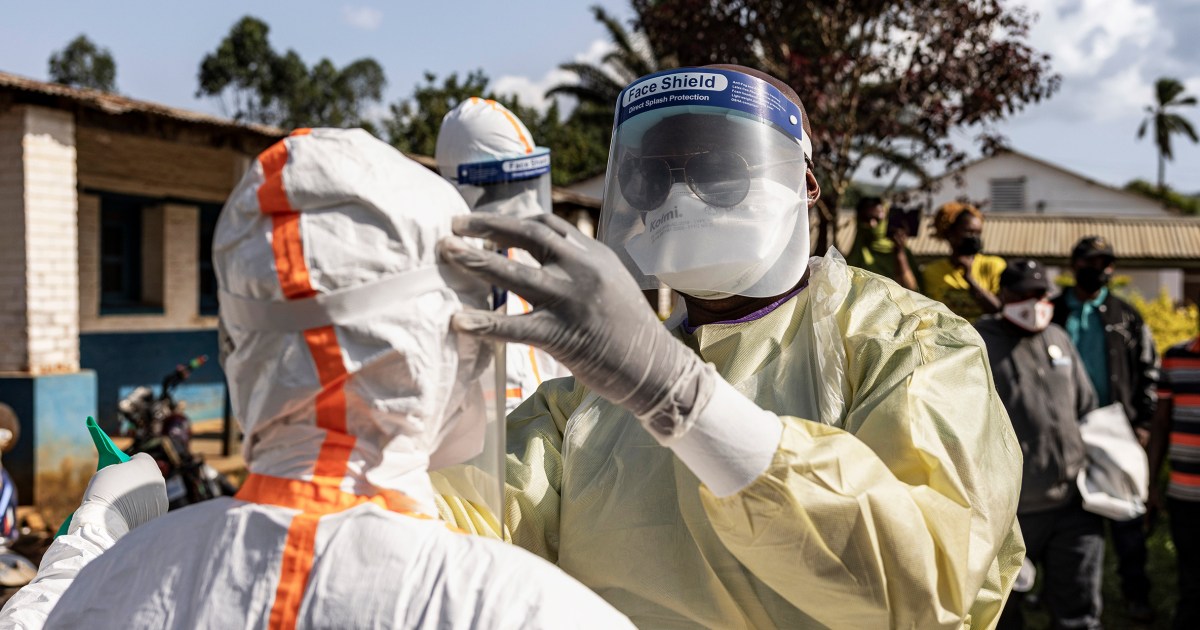
Public health authorities report that the Ebola outbreak in the Democratic Republic of the Congo has not yet reached its peak as cases continue to rise. The response faces significant obstacles, including funding shortages, security concerns, and documented cases in Uganda.

As of Saturday, 27 June 2026, the ongoing Ebola outbreak in the Democratic Republic of the Congo (DRC) has escalated significantly, with public health authorities reporting 1,203 confirmed cases and 321 deaths. This figures mark a dramatic increase since the outbreak was officially declared on 15 May 2026. The crisis, driven by the rare Bundibugyo strain of the virus, is currently considered one of the most rapidly intensifying health emergencies in the region, with international health agencies warning that the situation has not yet reached its peak.
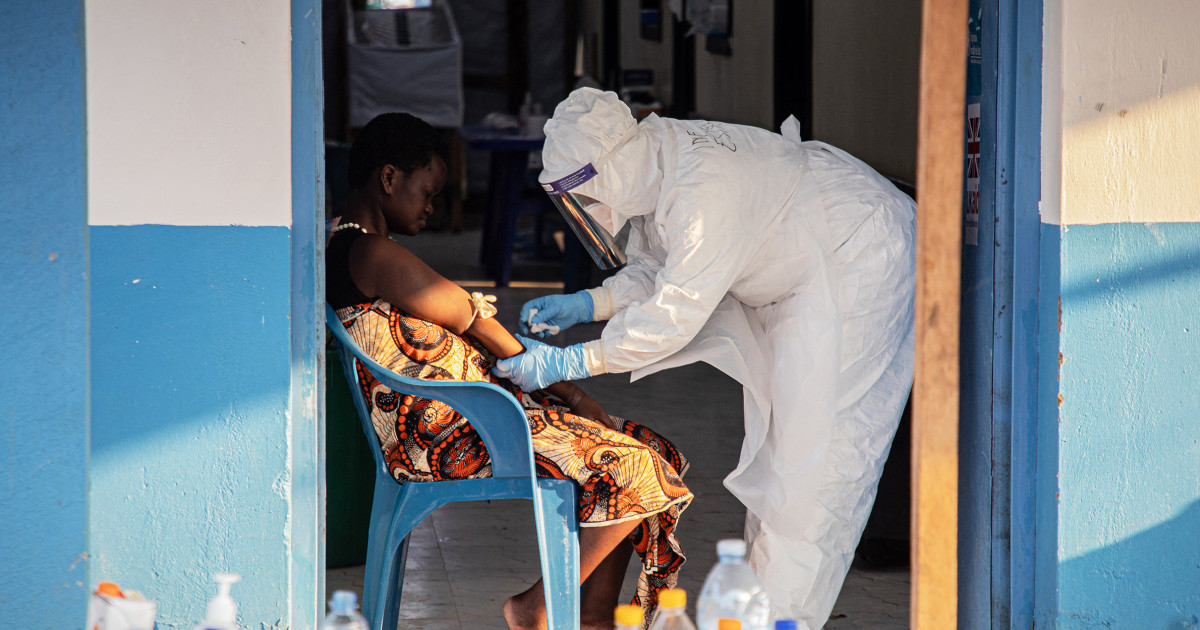
The outbreak is primarily concentrated in the DRC’s eastern provinces. Ituri remains the epicenter, reporting the vast majority of cases, while North Kivu and South Kivu provinces also continue to record infections. Beyond the DRC, the virus has reached Uganda, where imported cases have been identified, prompting concerns about further cross-border transmission. While no approved vaccines or specific treatments exist for the Bundibugyo virus, World Health Organization (Who) officials note that increasing numbers of patients have recovered, with 148 individuals having successfully completed treatment and returned home as of the latest reporting.
Related media

Operational Constraints and Challenges
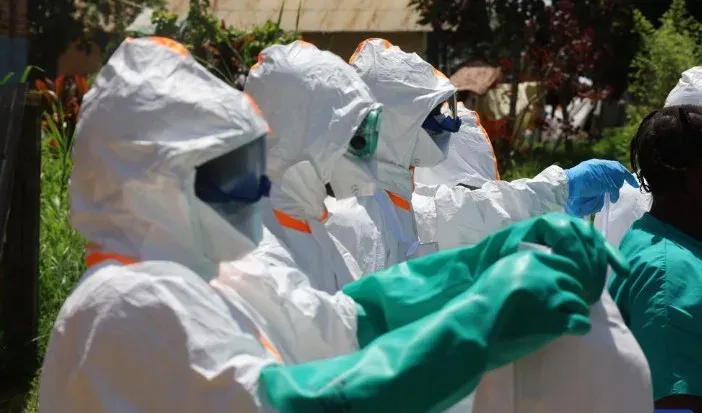
The response effort faces a combination of severe logistical, financial, and security-related obstacles. According to reports from health authorities, treatment centers in Ituri are nearing full saturation. There is a documented shortage of essential medicines and infection prevention supplies, with a need for approximately 20 additional isolation centers to manage the influx of patients. Compounding these issues is a funding gap of roughly 20 million U.S. Dollars, which has hindered the ability of frontline workers to sustain operations.
Security remains a primary barrier to containment. In regions affected by the outbreak, activities by armed groups, including the Allied Democratic Forces (ADF) and various ethnic militias, have restricted access for medical teams. These conditions have frequently disrupted surveillance and response activities. Furthermore, public mistrust and community resistance—particularly regarding post-mortem testing and safe, dignified burial practices—have complicated the work of health officials attempting to track the spread of the virus.
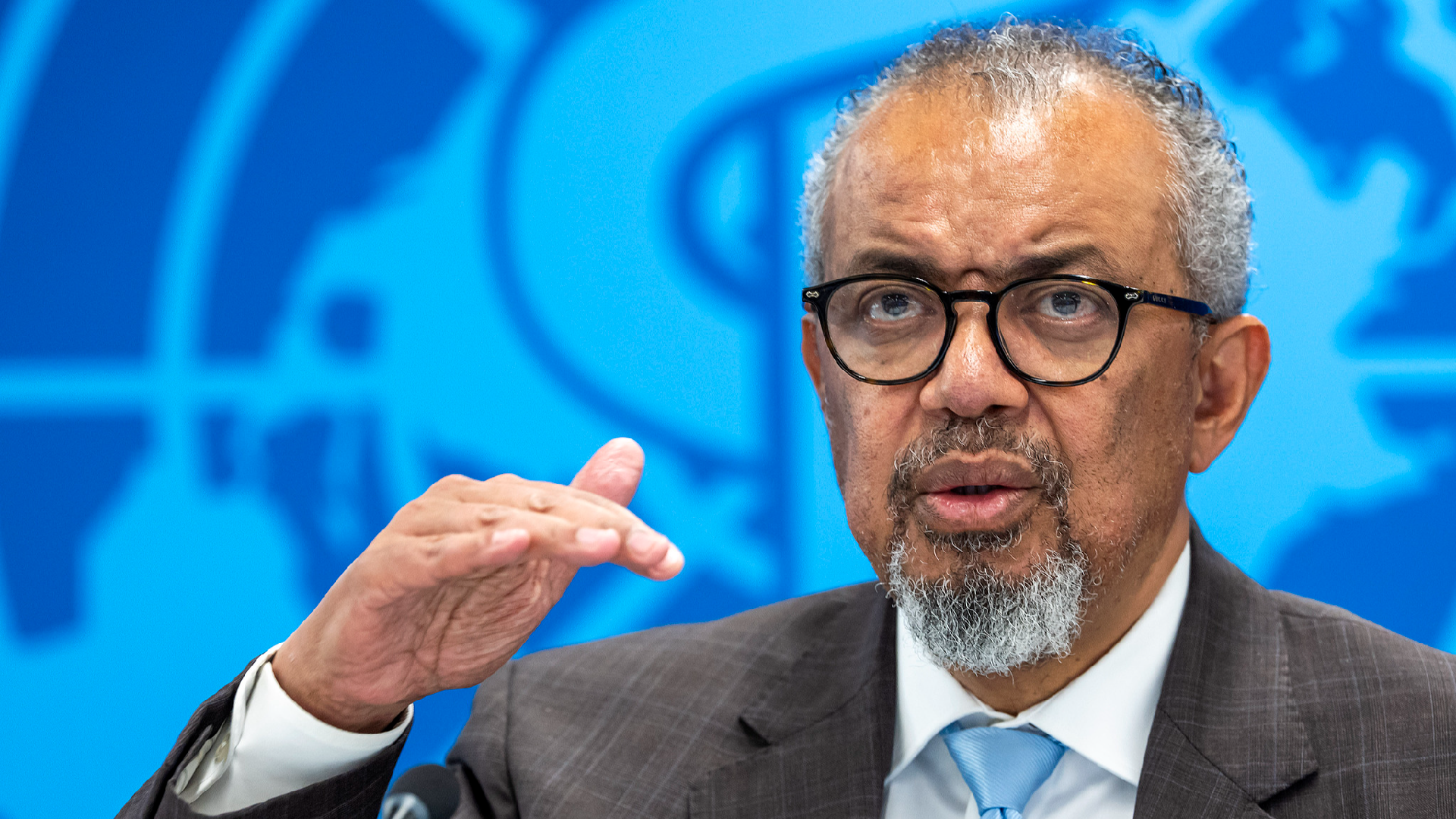
The contact follow-up rate remains a critical metric for containment, currently falling below the 95 percent target considered necessary to stop the chain of transmission. World Health Organization Director-General Tedros Adhanom Ghebreyesus has emphasized that while contact tracing is reaching more people, the fight against the virus is far from over
due to these persistent security and social challenges.
International and Regional Response
The Cdc has engaged hundreds of staff in the international response, including dozens deployed directly to the affected regions. Meanwhile, the ECDC continues to monitor the situation, assessing the risk to the European Union as very low. Recent developments also include legal challenges in Kenya, where a court has suspended a plan to host a quarantine facility for U.S. Citizens exposed to the virus, following protests from local medical unions and civil rights groups concerned about potential health risks to the local population.
What to Watch Next
- Epidemiological Updates: The ECDC is scheduled to release its next situational report on 29 June 2026.
- Treatment Capacity: Ongoing efforts to expand isolation center numbers in Ituri province to prevent further saturation.
- Vaccine Development: Continued progress on the three experimental Bundibugyo-targeting vaccines currently under accelerated development.
As of late June, the primary focus for health workers remains the early detection and rapid isolation of cases. With the virus spreading through close contact with blood or bodily fluids, the effectiveness of the response continues to rely heavily on the ability of local teams to navigate the intersection of conflict and public health in the DRC’s eastern corridor.
How significant is this development?
Contribute your assessment to the aggregated reader intelligence ledger.
Archypedia is dedicated to independent, evidence-backed reporting. This briefing was synthesized from primary source reporting, corroborated across independent newsrooms, and verified against our Editorial Standards.
Transparency record
Evidence behind this report
This report synthesizes 12 distinct sources. Open the source ledger below to compare the underlying coverage.
- who.int
- cdc.gov
- newsonair.gov.in
- news.cgtn.com
- npr.org
- ecdc.europa.eu
- english.news.cn
- yahoo.com
- nationpress.com
- theindianawaaz.com
- theguardian.com
- daijiworld.com
Prepared under the Archypedia Editorial Policy by the Lina Park editorial desk profile. AI-assisted tools may support drafting and verification; public accountability remains with Archypedia. Report an error.