Nurses recommend essential supplies for a well-stocked home medical kit
Healthcare experts suggest curating a home medical kit tailored to your family's specific health needs to manage minor illnesses and injuries effectively. Regular inventory checks are essential for ensuring that all medical supplies remain safe and effective for use.
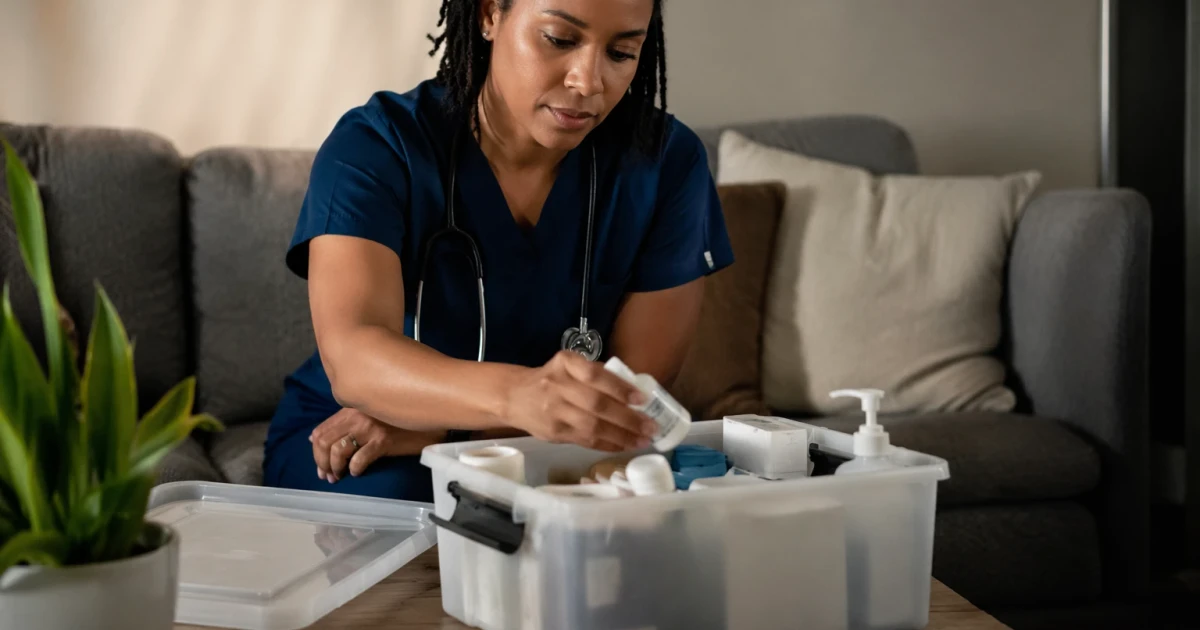
Maintaining a well-stocked home medical kit is more than a matter of organization; it is a fundamental aspect of proactive health management. According to medical professionals, a properly curated kit provides an essential buffer, allowing caregivers to manage minor injuries and illnesses effectively while reducing the risk of complications that can arise from delayed care. While these supplies are never a replacement for emergency services, having them ready creates a sense of stability for both the patient and the caregiver, according to the AARP.
Essential Baseline Components
Nurses and healthcare experts suggest building a kit around reliable, low-cost staples designed for common occurrences like cuts, seasonal congestion, or fevers. Core items recommended by multiple sources include:
Related media
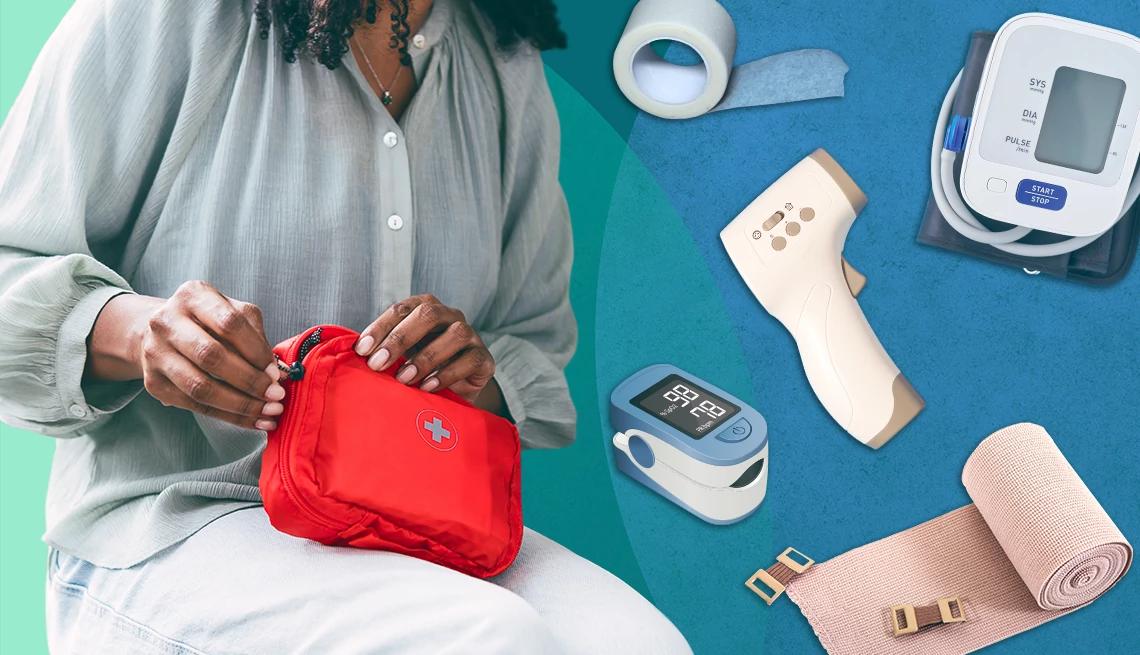
- Wound Care: Adhesive bandages in various sizes, sterile gauze pads, medical tape (ideally paper or silicone for fragile skin to avoid tearing), antiseptic wipes.
- Symptom Management: Over-the-counter pain relievers, such as acetaminophen or ibuprofen, and antihistamines for short-term relief of allergic reactions and itching.
- Monitoring Tools: A digital or infrared thermometer, a blood pressure monitor, and a fingertip pulse oximeter for checking oxygen levels.
- Fluid and Skin Support: Rehydration salts, sunscreen, and aloe vera gel for minor irritation or sunburn.
- Respiratory and Comfort: Mentholated ointment, such as Vicks VapoRub, may be used for cough and congestion, though sources warn it must be avoided in children under 2 years old and kept away from the nose, mouth, and broken skin.
Safety and Customization
A one-size-fits-all approach to a medical kit can be hazardous. Melanie Gibbons Hallman, an emergency nurse practitioner at the University of Alabama at Birmingham School of Nursing, emphasizes that kit contents should be tailored to the specific health conditions, ages, and medications of household members. Because over-the-counter medications can interact with prescriptions, such as blood thinners, all medications should be cleared by a healthcare provider familiar with the patient’s medical history.
Furthermore, maintaining the kit is as important as stocking it. Ernest Grant, a faculty member at the Duke University School of Nursing, notes that a common mistake is neglecting to check for expired items. He recommends a regular inventory check to ensure all supplies remain effective.
Distinguishing Between Care Levels
A core element of safety is knowing when a home-based approach is sufficient and when it is time to seek professional intervention. Small burns, minor abrasions, and basic cold symptoms without high fevers can often be managed at home. Conversely, Hallman warns that high-risk scenarios such as chest pain, shortness of breath, significant falls, or motor vehicle accidents necessitate an immediate trip to an emergency room.
What to Watch Next
As the healthcare industry shifts toward increased use of Hospital at Home programs, understanding the boundaries of home-based care is becoming increasingly important. Research indicates that these programs, which provide acute or subacute treatment in a patient’s home, are expanding globally. Future developments in this area will likely focus on improving communication between staff and caregivers and establishing clear protocols for when home-based treatment should transition to hospital-level care. Ultimately, a well-stocked medical kit serves as a bridge, not a barrier, to professional help. By maintaining organized supplies and clear guidelines on when to seek care, households can navigate minor health hurdles with greater confidence.
How significant is this development?
Contribute your assessment to the aggregated reader intelligence ledger.
Archypedia is dedicated to independent, evidence-backed reporting. This briefing was synthesized from primary source reporting, corroborated across independent newsrooms, and verified against our Editorial Standards.
Transparency record
Evidence behind this report
This report synthesizes 7 distinct sources. Open the source ledger below to compare the underlying coverage.
- newsbreak.com
- thesheffieldpress.com
- aarp.org
- pmc.ncbi.nlm.nih.gov
- healtheh.com
- handnhandhomecare.com
- shopping.yahoo.com
Prepared under the Archypedia Editorial Policy by the Lina Park editorial desk profile. AI-assisted tools may support drafting and verification; public accountability remains with Archypedia. Report an error.