Glasgow hospital patient tests negative for Ebola virus
Health officials have confirmed that a patient isolated at Queen Elizabeth University Hospital in Glasgow has tested negative for the Ebola virus. Public Health Scotland maintains that the risk to the general public remains low.
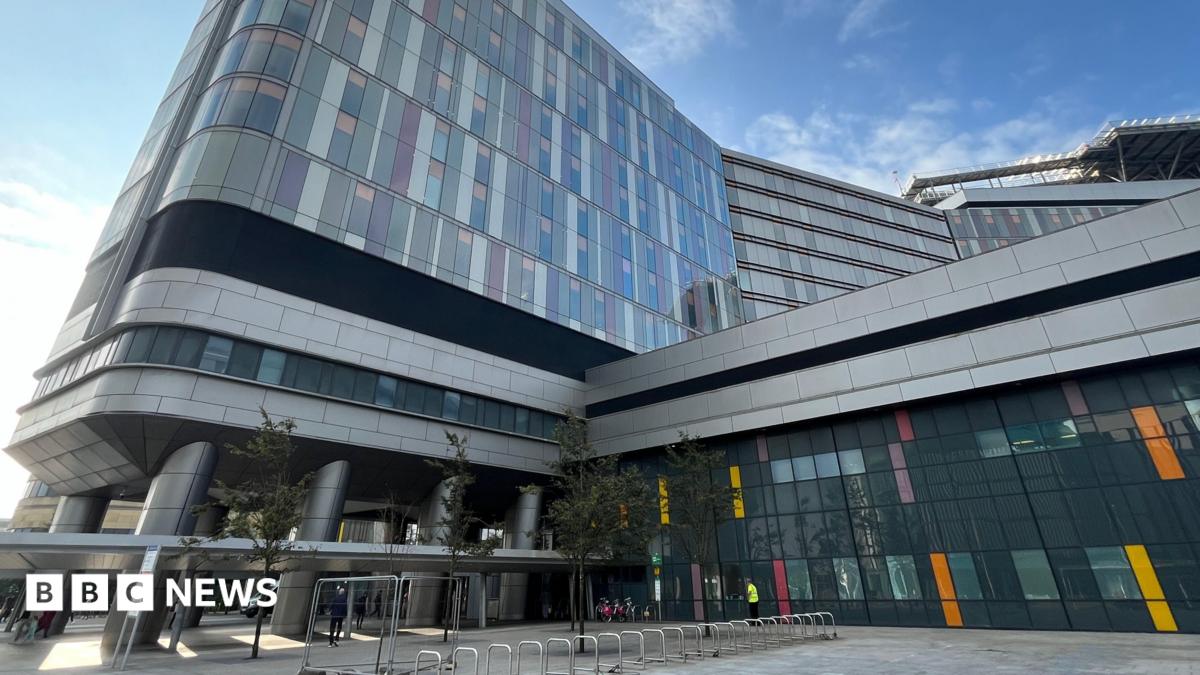
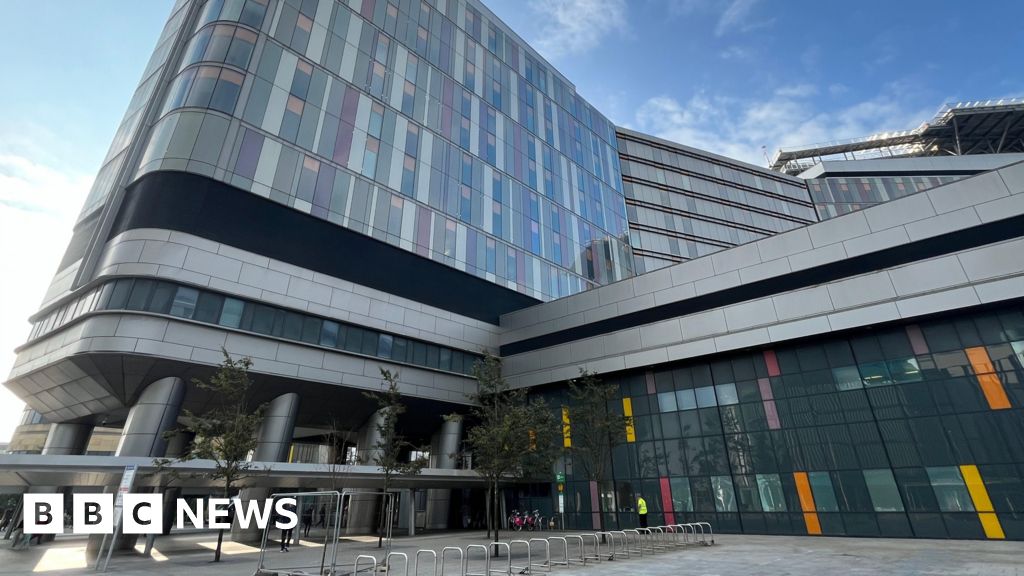
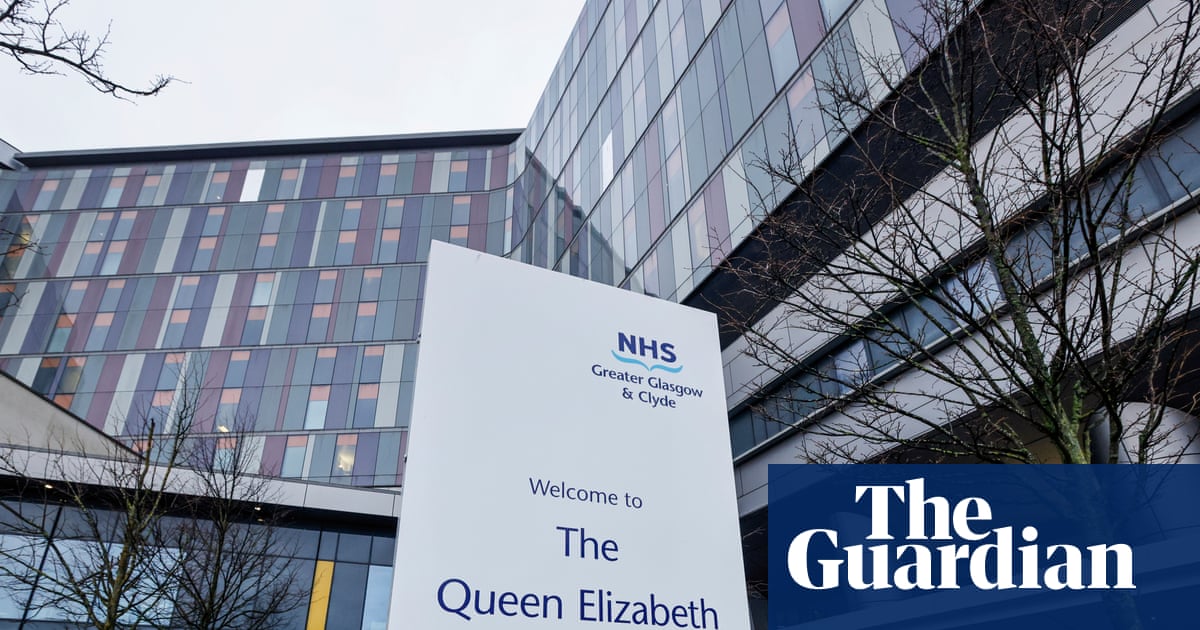
A patient tested at the Queen Elizabeth University Hospital (QEUH) in Glasgow has tested negative for the Ebola virus, health officials confirmed. The individual, who arrived at the hospital’s Acute Receiving Unit in the early hours of Tuesday, had recently returned from travel in a country affected by an ongoing outbreak. Following the presentation of concerning symptoms, the patient was admitted under isolation for testing and further medical examination.
NHS Greater Glasgow and Clyde earlier said there were no ward closures at the QEUH and it confirmed patients and visitors were not being advised to stay away.
Related media

Health Protocols and Oversight
Public Health Scotland (PHS) emphasized that there are no confirmed cases of Ebola in Scotland and maintained that the risk to the general public remains low. According to PHS, the agency, in conjunction with the UK Health Security Agency (UKHSA), maintains well established protocols for assessing and testing travellers arriving in the UK from areas affected by Ebola where necessary
.
As part of the response to this incident, authorities activated the UKHSA Returning Workers Scheme (RWS), which aims to protect and monitor the health of those who may travel from the UK to affected areas for their work. PHS underscored that organizations deploying workers to such areas must ensure those individuals are registered with the scheme to facilitate proper health surveillance.
Public Health Context
The incident in Glasgow occurred against the backdrop of an international health emergency declared by the World Health Organization regarding the current Ebola outbreak in the Democratic Republic of Congo (DRC) and Uganda.
The UK has committed up to £21 million to support the local response to Ebola in DRC, helping to protect frontline workers and vulnerable communities. The experts from the UK Public Health Rapid Support Team include seven specialists from the UK Health Security Agency (UKHSA) and the London School of Hygiene & Tropical Medicine.
Historical Precedent
In December 2014 nurse Pauline Cafferkey, from Blantyre, South Lanarkshire, fell ill with the disease after arriving back in the UK from Sierra Leone. She recovered, but had a relapse and also developed meningitis, seriously affecting her joints and ability to walk, among other issues. In November 2022 part of Colchester hospital was deep-cleaned after a suspected Ebola case which later turned out to be negative.
Health experts continue to stress that unlike flu or Covid, Ebola is not an airborne virus so is not spread simply by being near an infected person. It requires direct contact with infected bodily fluids to spread, and individuals usually only become contagious after developing symptoms.
The following table summarizes the response steps taken by health authorities during the alert:
| Action | Description |
|---|---|
| Patient Isolation | Immediate confinement upon presentation at the Acute Receiving Unit. |
| Diagnostic Testing | Clinical screening for Ebola and other potential infectious diseases. |
| Monitoring | Activation of the UKHSA Returning Workers Scheme. |
| Contact Tracing | Initiated if required based on clinical assessment of the patient. |
What to Watch Next
- Ongoing monitoring of the World Health Organization's data regarding the spread of the virus in Central Africa.
- Potential updates from PHS regarding any changes to travel advice or screening procedures for individuals arriving from the affected regions.
How significant is this development?
Contribute your assessment to the aggregated reader intelligence ledger.
Archypedia is dedicated to independent, evidence-backed reporting. This briefing was synthesized from primary source reporting, corroborated across independent newsrooms, and verified against our Editorial Standards.
Transparency record
Evidence behind this report
This report synthesizes 12 distinct sources. Open the source ledger below to compare the underlying coverage.
- bbc.com
- bbc.co.uk
- greenocktelegraph.co.uk
- theguardian.com
- independent.co.uk
- dailymail.com
- uk.news.yahoo.com
- timesnownews.com
- thenational.scot
- scmp.com
- mirror.co.uk
- three.fm
Prepared under the Archypedia Editorial Policy by the Lina Park editorial desk profile. AI-assisted tools may support drafting and verification; public accountability remains with Archypedia. Report an error.