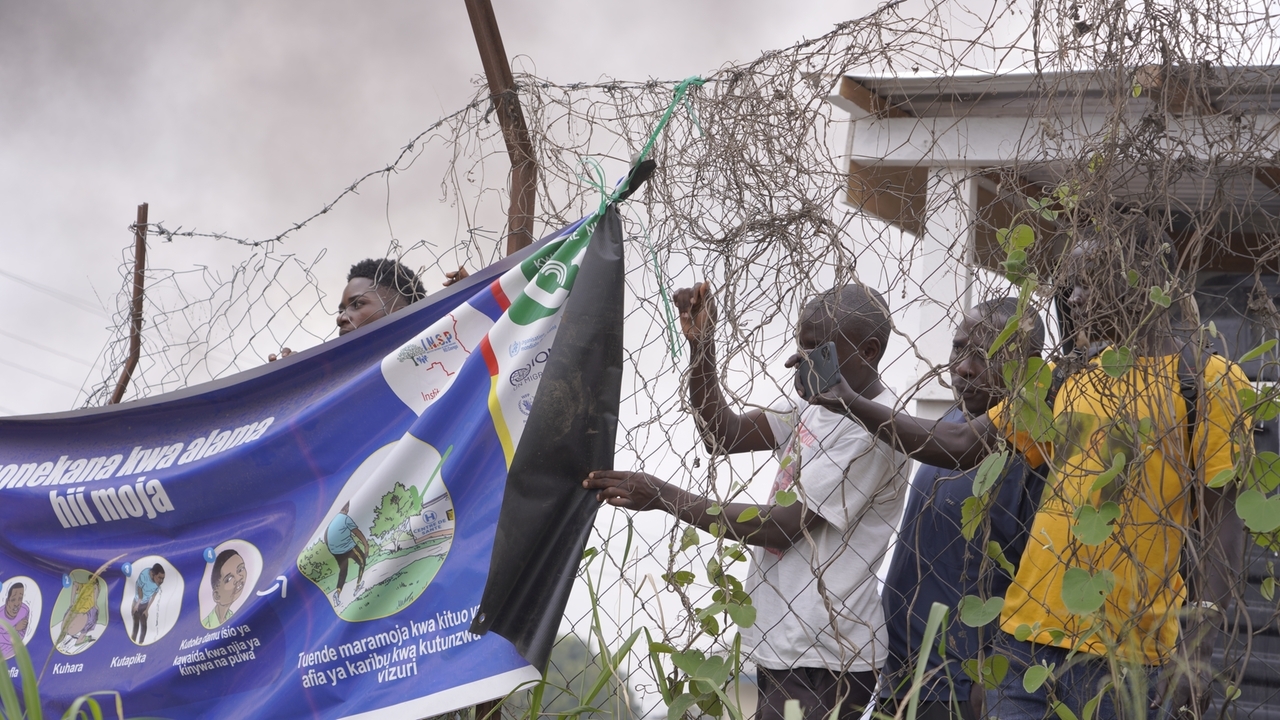
DR Congo Bans Mass Gatherings in Kinshasa to Curb Ebola Outbreak
The Congolese government has implemented a ban on public assemblies in Kinshasa and three provinces to contain an Ebola outbreak. Opposition leaders are challenging the directive, characterizing the measure as a politically motivated effort to suppress planned protests.
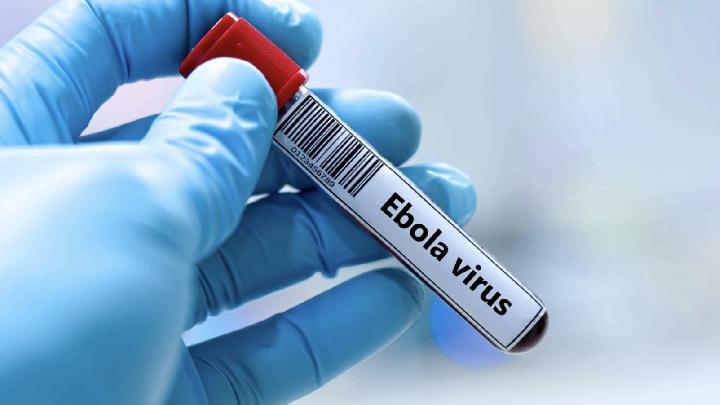
The government of the Democratic Republic of Congo has instituted a ban on all mass gatherings in the capital, Kinshasa, and three additional provinces — Tshopo, Haut-Uele, and Bas-Uele — as part of an effort to contain a persistent and deadly Ebola outbreak. The directive, issued by Interior Minister Jacquemain Shabani on June 27, 2026, forces a halt to public events in regions where, to date, no confirmed cases of the virus have been reported.
Authorities cited the geographic proximity of these four provinces to the active outbreak zones in eastern Congo as the primary justification for the restriction. The current health crisis, which involves the Bundibugyo species of the virus, has been concentrated in the provinces of Ituri, North Kivu, and South Kivu. As of June 29, 2026, government data recorded 1,274 infections and 360 deaths across the affected eastern regions. The World Health Organization (WHO) and regional health authorities note that the outbreak has been ongoing since being declared on May 15, 2026.
Related media


The decision to expand the ban to Kinshasa, a city of 18 million people located approximately 1,800 kilometers from the epicenter, has met with intense criticism from political opposition groups. The timing of the measure coincides with a protest march scheduled for July 8, 2026, organized by the C64 coalition to oppose proposed constitutional reforms that critics argue could allow President Felix Tshisekedi to seek a third term.
Prince Epenge, spokesperson for the opposition Lamuka coalition, dismissed the health justification for the ban as illegitimate.
Epenge characterized the directive as politically motivated. Rodrigue Ramazani, secretary-general of the Envol party, urged supporters to proceed with the planned protest and describing the ban as a political maneuver. Tension remains high following a separate demonstration on June 12, 2026, which was dispersed by security forces using tear gas and live ammunition, resulting in one death and 38 injuries, according to the UN Human Rights Office."It is not legitimate. We cannot accept this decision."
Prince Epenge, spokesperson for the opposition Lamuka coalition, via BBC
Outbreak Context and Regional Containment
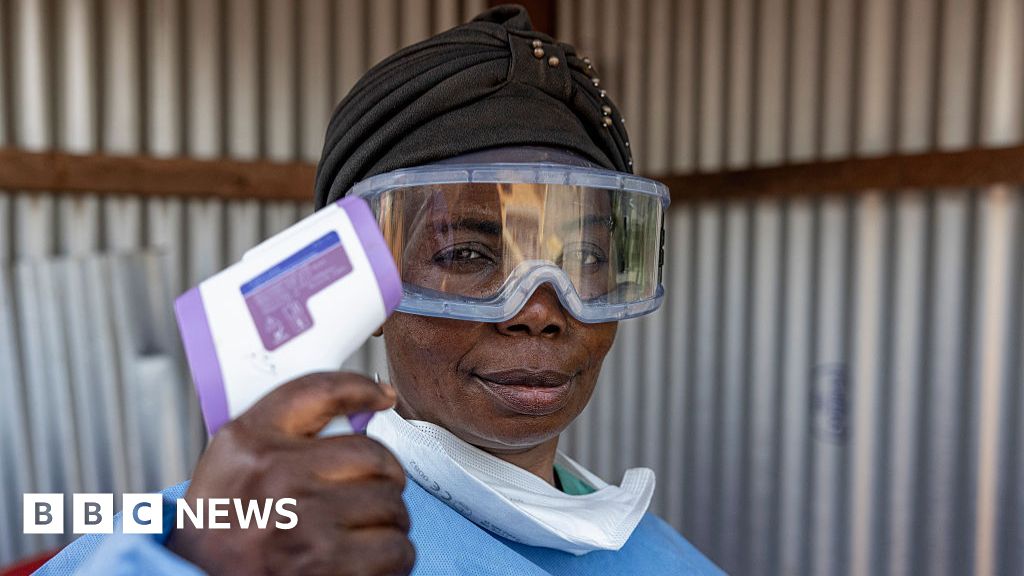
While Kinshasa remains officially free of the virus, the government has moved to tighten surveillance following the discovery that a doctor who tested positive for Ebola in France had traveled through the capital while returning from an Ebola treatment center in an affected zone. In response, the government has mandated a 21-day quarantine for travelers moving from Ebola-affected areas to other parts of the country.
The Africa CDC and public health authorities have cautioned that the current outbreak has the potential to become one of the largest on record, noting that the virus circulated for several weeks before it was definitively identified. Furthermore, the WHO has stated that the conflict in eastern Congo, where the M23 rebel group controls significant territory, is severely hindering response efforts. The mayor of Goma, which is under the control of AFC/M23 rebels, separately issued a ban on public gatherings and demonstrations, including celebrations linked to sporting events, following the country's qualification for the 2026 FIFA World Cup.
Key Developments in the Ebola Response
- Surveillance: Authorities in the four provinces under the new ban are required to monitor symptomatic individuals and submit daily reports to the government.
- International Status: In May 2026, the WHO classified the situation in Congo and neighboring Uganda, where 20 cases and two deaths have been confirmed, as a public health emergency.
- Medical Treatment: There is currently no approved vaccine for the Bundibugyo species of the virus. However, the head of the Africa CDC indicated that trials for new antiviral treatments may commence as early as the week of June 29, 2026.
- Previous Challenges: Early efforts in Ituri province faced resistance from local communities, including the destruction of a treatment center by residents protesting burial restrictions.
The situation in the eastern provinces remains volatile, with Ituri accounting for more than 90% of total infections. As the July 8 protest date approaches, the intersection of public health mandates and constitutional grievances continues to define the national response to the epidemic.
How significant is this development?
Contribute your assessment to the aggregated reader intelligence ledger.
Archypedia is dedicated to independent, evidence-backed reporting. This briefing was synthesized from primary source reporting, corroborated across independent newsrooms, and verified against our Editorial Standards.
Transparency record
Evidence behind this report
This report synthesizes 11 distinct sources. Open the source ledger below to compare the underlying coverage.
- bbc.com
- en.tempo.co
- sowetan.co.za
- wiky.com
- srnnews.com
- en.politis.com.cy
- thesheffieldpress.com
- kbc.co.ke
- endtimeheadlines.org
- latimes.com
- devdiscourse.com
Prepared under the Archypedia Editorial Policy by the Lina Park editorial desk profile. AI-assisted tools may support drafting and verification; public accountability remains with Archypedia. Report an error.