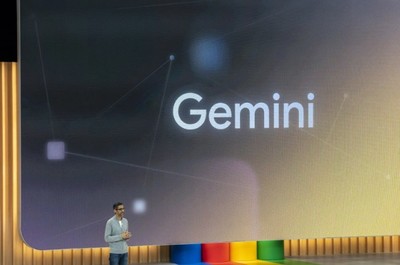
Gemini Spark adds third-party app support and remote Mac control features
Google is evolving Gemini Spark from a conversational chatbot into a multi-platform agent by adding third-party integrations and a remote macOS control system.

Gemini Spark, the personal AI agent unveiled at Google I/O 2026, is undergoing a major expansion. Google is broadening the agent’s capabilities to include third-party application support, real-time event tracking, and advanced remote management features for macOS users. These updates represent a shift in the role of the AI, transitioning it from a conversational chatbot into an agent capable of executing multi-step workflows across various platforms.
Expanded Third-Party Integrations
Google has officially moved beyond its initial focus on native Workspace tools. Users can now connect Gemini Spark to a variety of third-party platforms, including Canva, Dropbox, Instacart, OpenTable, and Zillow Rentals. These integrations allow the agent to perform specific tasks, such as designing flyers, accessing shared files, reserving restaurant tables, ordering groceries, or scheduling apartment tours. Additionally, Spark can now interface with Google Keep and Tasks to organize scattered notes into actionable items.
Related media
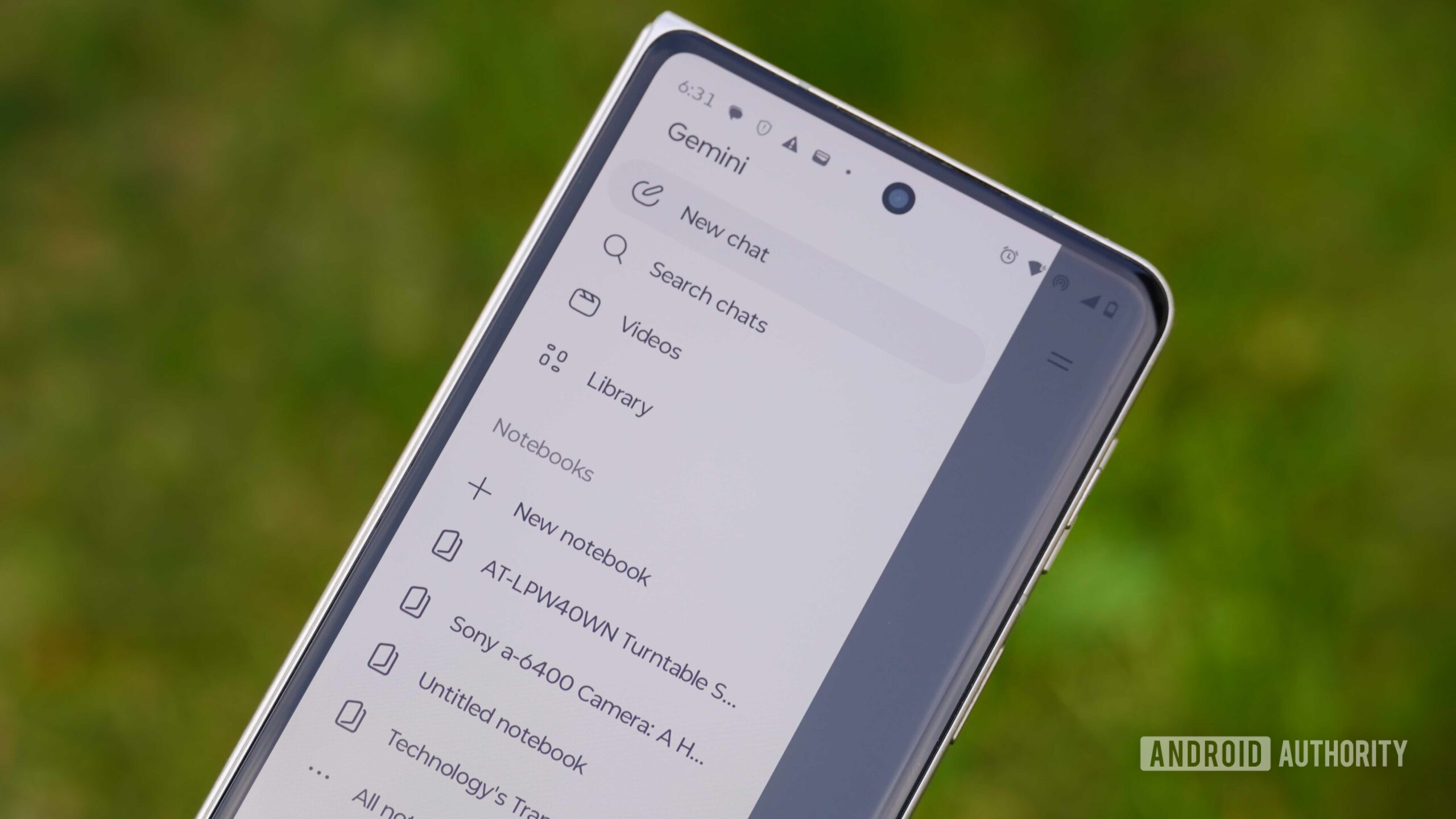


These connections are facilitated by the Model Context Protocol (MCP). To begin using these tools, users can enter custom app links within the Gemini app settings.
Remote Mac Control and Desktop Capabilities
While the Gemini app has been available on macOS since April 2026, Google is preparing to introduce more robust functionality for the platform later this summer. Code discovered in the Android Google app (v17.36.12) reveals that Google is developing a feature internally codenamed "Robin." This system is designed to allow Android users to remotely command and monitor their Apple-silicon Macs.
The feature will permit users to trigger background tasks — such as summarizing document folders or running complex compile scripts — on a distant computer. To maintain security, the architecture utilizes an isolated "new thread" system intended to prevent data from leaking between sessions. The interface will also include a device picker, allowing users to toggle between multiple paired computers if they are online.
For local usage, the macOS application enables users to interact with files directly through Finder. By using a keyboard shortcut, currently identified as Option+Space, users can dictate free-flowing thoughts. The assistant processes this audio input alongside screen awareness, allowing it to view open windows or selected documents to inform its responses.
"What it's done is because I've selected those files in Finder using its multimodal understanding, it can go through the PDF, it can go through these images of their invoices, and it's all controlled by my voice, so it can actually take all that complex information and … it's got a table in line,"
Josh Woodward, VP of Google Labs, Gemini app and AI Studio, via Cnet
Real-Time Tracking and Proactive Assistance
Beyond task execution, Google has introduced real-time topic tracking. This allows the agent to monitor specific subjects, such as financial market movements, news, or live event highlights, and provide updates when significant changes occur. This functionality is intended to move the assistant from a reactive tool that only responds to inquiries into a proactive partner that monitors information in the background.
Availability and Safety
Gemini Spark is currently available to Google AI Ultra subscribers. While the agent has expanded access to local files and third-party databases, Google maintains that the system is user-directed. The agent requires explicit consent before performing sensitive actions, such as sending emails or executing financial transactions.
What to Watch Next
- Feature Rollout: Following the initial web and mobile updates, these integration features are expected to arrive on macOS in the coming weeks.
- Developmental Roadmap: Further updates are scheduled for later this summer, including additional voice capabilities and expanded support for operating local browser tasks and creating custom sub-agents.
- Regulatory Scrutiny: As the agent gains deeper access to user databases and communication platforms, industry observers anticipate that regulators, particularly in Europe, may evaluate these capabilities under the existing AI Act framework.
How significant is this development?
Contribute your assessment to the aggregated reader intelligence ledger.
Archypedia is dedicated to independent, evidence-backed reporting. This briefing was synthesized from primary source reporting, corroborated across independent newsrooms, and verified against our Editorial Standards.
Transparency record
Evidence behind this report
This report synthesizes 9 distinct sources. Open the source ledger below to compare the underlying coverage.
- blockchain.news
- 9to5google.com
- androidauthority.com
- forbes.com
- blog.google
- thedailyjagran.com
- cnet.com
- letsdatascience.com
- theaicronicle.com
Prepared under the Archypedia Editorial Policy by the Niko Vale editorial desk profile. AI-assisted tools may support drafting and verification; public accountability remains with Archypedia. Report an error.