Apple's First Foldable iPhone Could Launch With Extremely Limited Supply
Apple’s upcoming foldable iPhone Ultra is projected to face manufacturing bottlenecks, resulting in limited initial inventory and potential pre-order delays. Analysts compare the anticipated scarcity to the 2017 iPhone X rollout.
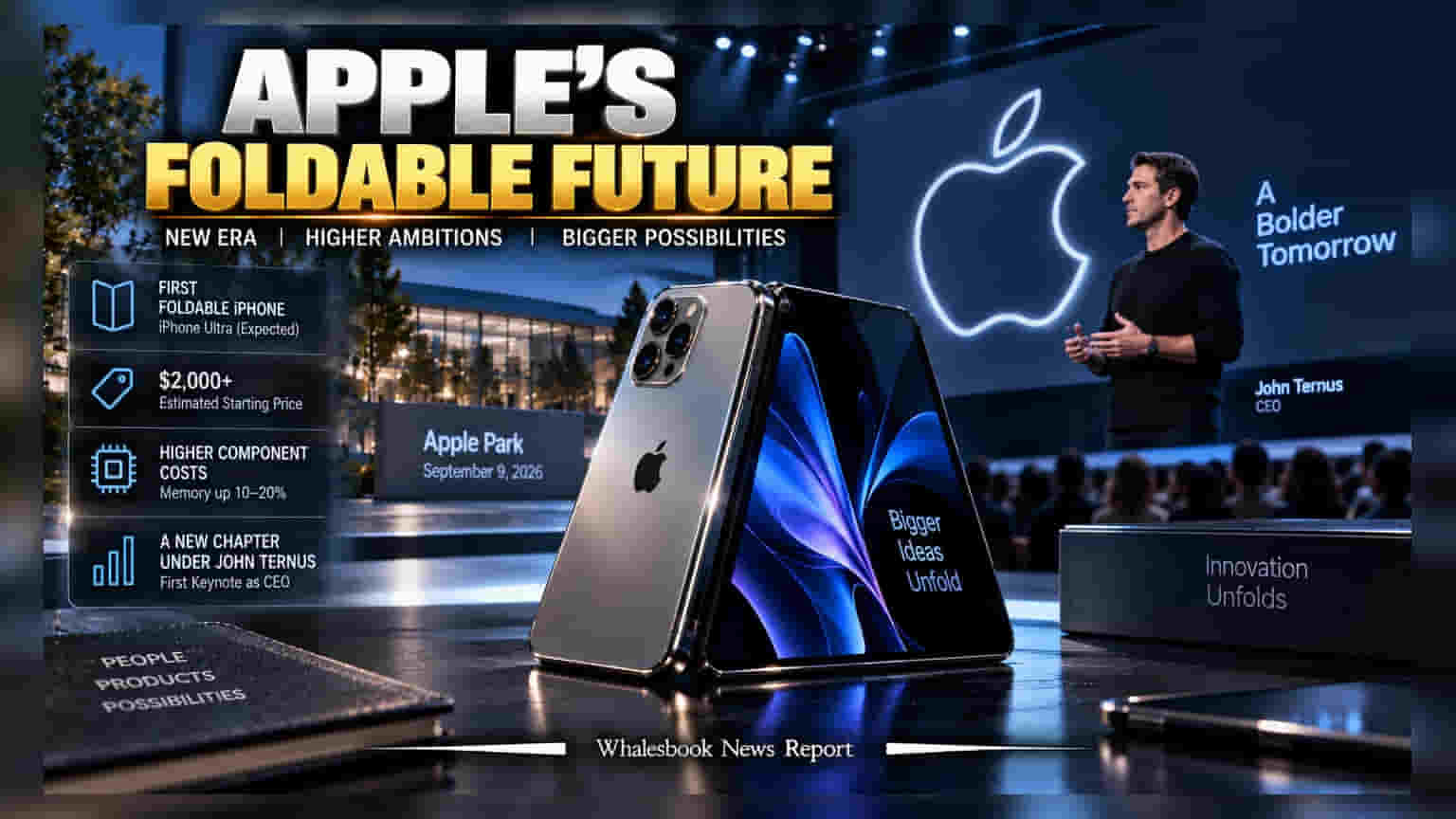
Apple is preparing to enter the foldable smartphone market with a debut that industry experts anticipate will be marked by extreme scarcity. While the device, widely expected to carry the iPhone Ultra branding, is slated for a potential introduction at the company’s September 2026 keynote alongside the iPhone 18 Pro and Pro Max, supply chain analysis indicates that acquiring one may prove difficult for most consumers through the end of the year.
According to a supply chain survey from analyst Ming-Chi Kuo of TF International Securities, Apple’s assembly partners are expected to produce between 500,000 and 1 million units of the foldable device in the third quarter of 2026. This limited output represents roughly 10 percent of the projected 7 to 8 million units planned for the second half of the year. For context, the iPhone 18 Pro and Pro Max are expected to move 20–22 million units during the same three-month period, a volume sufficient to support a standard retail rollout. The disparity in production numbers suggests that the foldable model will face a significantly constrained launch.
Related media


A Strategy of Managed Scarcity
Market observers note that this approach mirrors Apple's 2017 strategy with the iPhone X. In that instance, manufacturing complexities related to the device's OLED display and Face ID components forced a staggered release. The device was unveiled on September 12, 2017, but did not open for pre-order until October 27, with sales beginning November 3. Analysts suggest a similar path for the iPhone Ultra: a potential September announcement followed by pre-orders delayed until October or later, with significant unit availability unlikely before December. Analysts warn that pre-orders could sell out immediately, with delivery lead times potentially stretching to four to six weeks, and resale premiums reaching 50 to 100 percent above the official retail price.
Engineering Hurdles
The constraints are largely attributed to the device's engineering, specifically a 3D-printed hinge that has reportedly faced durability hurdles and noise issues during testing. These challenges caused delays in the engineering validation testing (EVT) phase, which was originally scheduled for completion in June 2026 but overran by one to two months. Additionally, the reliance on a single-source OLED supply from Samsung Display creates potential bottlenecks, as Apple maintains stringent quality standards to minimize the visible and tactile crease where the screen folds.
Hardware and Design Expectations
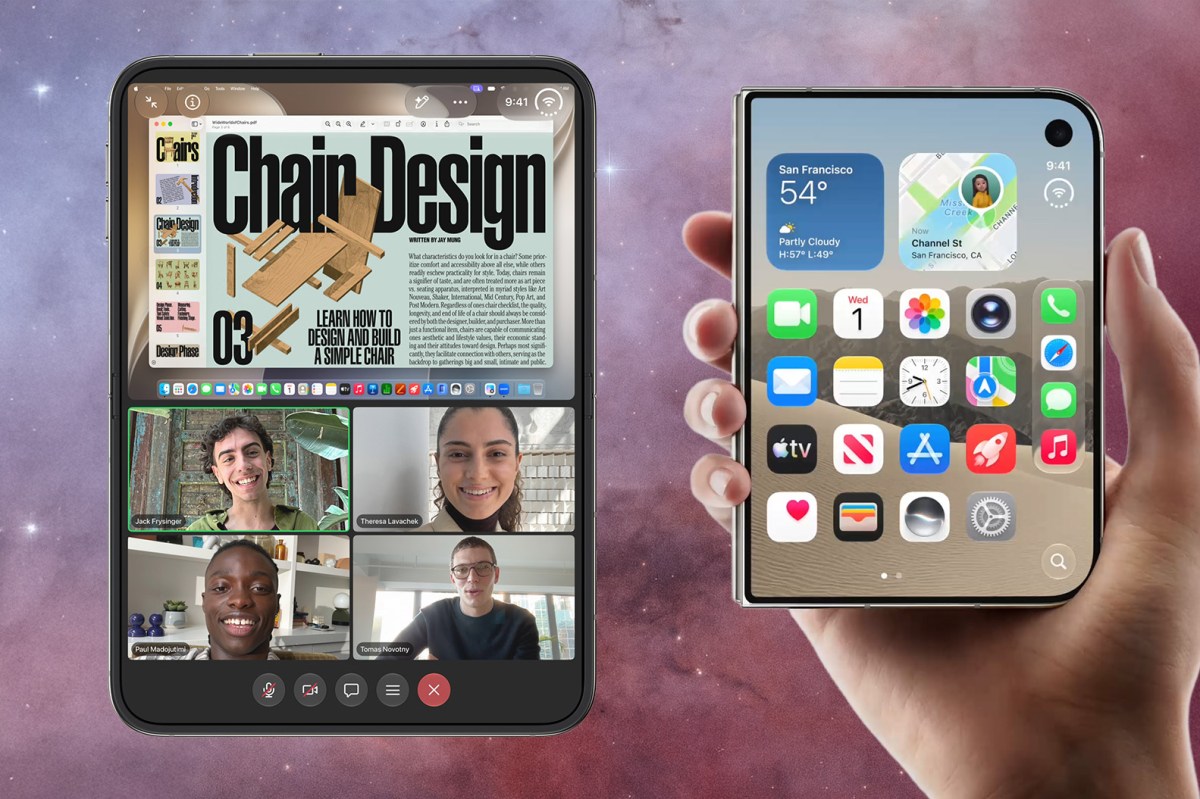
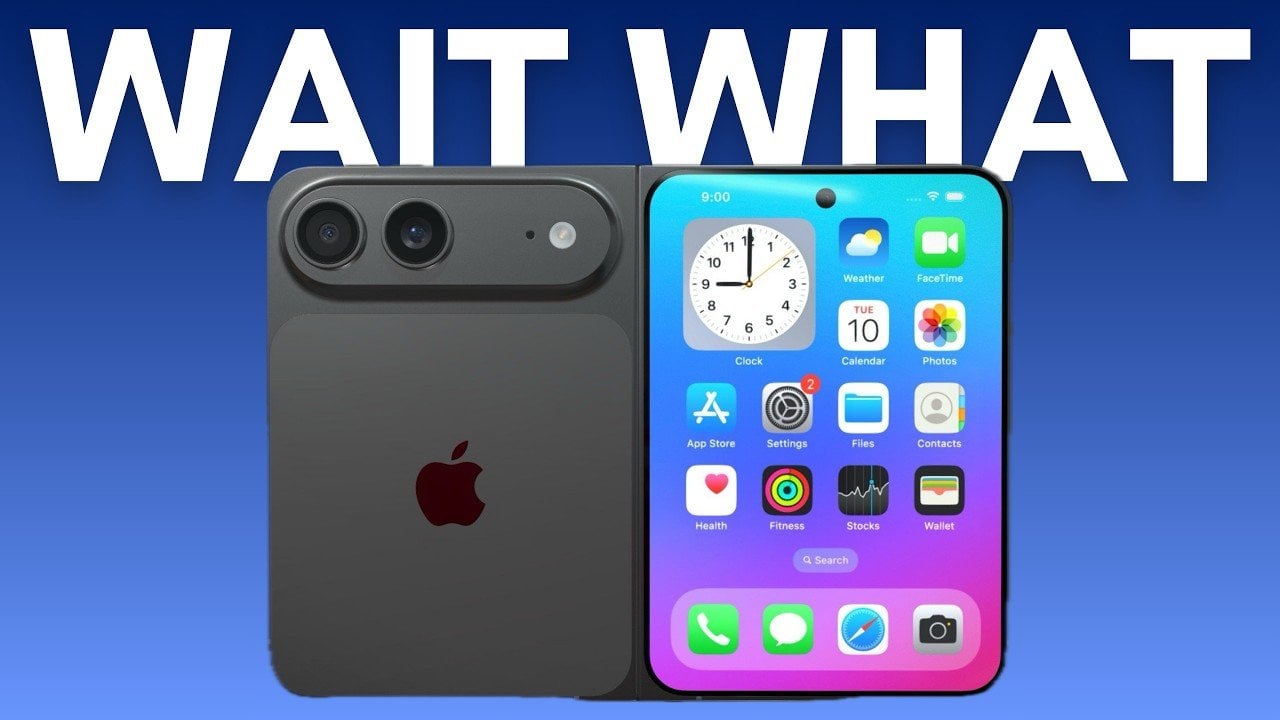
The iPhone Ultra is expected to feature a "passport-style" book-fold design with a 7.8-inch internal OLED screen and a 5.3 to 5.5-inch cover display, offering a 4:3 aspect ratio. To maintain a profile rumored to be as thin as 4.5mm when unfolded, the device is expected to exclude a telephoto lens, relying instead on two 48-megapixel sensors. Further differentiating it from current Pro models, the handset may omit the TrueDepth camera system in favor of a power-button-integrated Touch ID sensor. Software evidence for the device has emerged within the iOS 27 framework, which includes references to "foldState" and "angleDegrees," indicating the operating system is being prepped for variable display configurations.
The device is expected to be powered by an A20 chip and could feature a 5,000 to 5,500mAh battery. Pricing is estimated to range from $2,000 to $2,500.
What to Watch Next
Industry experts suggest that true, sustained demand will not be clear until the first quarter of 2027, once seasonal buying pressure subsides and production capacity increases. Despite the high price and anticipated shortages, the consensus among analysts remains that this scarcity may serve as a marketing catalyst. Prospective buyers should anticipate that walking into a retail location to purchase the device will be highly unlikely in the weeks immediately following the September event.
How significant is this development?
Contribute your assessment to the aggregated reader intelligence ledger.
Archypedia is dedicated to independent, evidence-backed reporting. This briefing was synthesized from primary source reporting, corroborated across independent newsrooms, and verified against our Editorial Standards.
Transparency record
Evidence behind this report
This report synthesizes 11 distinct sources. Open the source ledger below to compare the underlying coverage.
- macrumors.com
- tech.yahoo.com
- techgenyz.com
- macworld.com
- geeky-gadgets.com
- 9to5mac.com
- forbes.com
- pcquest.com
- slashgear.com
- engadget.com
- timesnownews.com
Prepared under the Archypedia Editorial Policy by the Niko Vale editorial desk profile. AI-assisted tools may support drafting and verification; public accountability remains with Archypedia. Report an error.