Cord tissue stem cell therapies show clinical promise for SA patients
South African practitioners are increasingly utilizing cord tissue-derived mesenchymal stem cells to address chronic conditions and aid recovery.
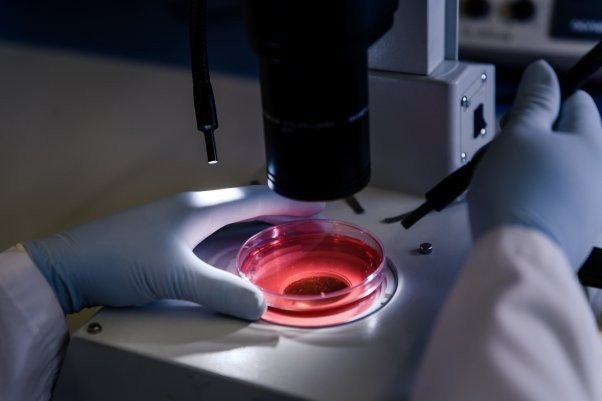
Regenerative medicine in South Africa is experiencing a significant shift as clinical applications for cord tissue-derived stem cells transition from experimental status to mainstream consideration. Patients are increasingly accessing these therapies to address chronic, degenerative, and immune-related conditions that have historically proven resistant to conventional medical interventions. The clinical application of these materials, once considered experimental in the 1980s and early 1990s, now focuses on supporting the body’s innate capacity to repair and regenerate damaged tissues.
The core of this clinical development involves a distinction between cord blood and cord tissue. According to Dr. Yvonne Holt, Chief Medical Officer at Next Biosciences, these materials fulfill specialized, non-interchangeable roles. While cord blood provides hematopoietic stem cells for blood and immune system disorders, cord tissue contains mesenchymal stem cells (MSCs). These cells are often described as the shape shifters
of medicine due to their ability to differentiate into various cell types, including muscle, bone, cartilage, nerves, and tendons. Furthermore, these cells are valued for their immunomodulatory capabilities, which can help reduce systemic inflammation and regulate immune responses.
Related media


Clinical Applications and Patient Outcomes
Practitioners in South Africa, including pioneer Dr. Wian Stander, are currently deploying MSCs through minimally invasive procedures, such as intravenous drips or targeted, image-guided injections. According to Stander, these techniques have reached a stage of broad adoption. We have reached a tipping point in modern medicine – regenerative medicine is here to stay,
Stander stated. Reported outcomes in the South African clinical landscape include:
- Neurodivergent conditions: Children and young adults with autism have demonstrated improvements in communication, social interaction, and the independent management of daily routines.
- Degenerative disc disease: Adults suffering from chronic neck pain have reported significant relief within weeks of receiving targeted MSC injections derived from familial-stored cord tissue.
- Sports medicine: Professional athletes and active individuals have utilized these therapies to accelerate recovery from injuries, such as hamstring and knee damage, reportedly leading to increased joint mobility and strength.
Global Research and Developments
The South African medical landscape is mirroring global research trends. Worldwide, more than 1,900 cord tissue units have been released for use in clinical trials, with 52% of these applications targeting regenerative medicine for conditions such as cerebral palsy, brain injuries, autism, and other autoimmune disorders. International research is also advancing the use of umbilical cord products in oncology. On 27 April 2026, the Journal of Clinical Oncology published results from a phase 2 clinical trial led by Filippo Milano, MD, PhD, at the Fred Hutch Cancer Center. The study detailed a method using pooled cord blood units to treat leukemia and myelodysplastic syndrome. The research observed that 27 of 28 patients—or 96%—survived at least one year without experiencing severe graft-versus-host disease, a common complication in traditional transplants.
Banking, Ethics, and Accessibility
Experts highlight that while stem cells can be harvested from adult sources like bone marrow or adipose tissue, cells collected at birth are younger, more potent, and more adaptable. Because cord tissue-derived MSCs are considered immune-privileged,
they are less likely to trigger rejection in recipients, potentially extending their use to compatible family members. In South Africa, the cost for private cord tissue banking currently starts at approximately R10 000. Next Biosciences has introduced flexible options allowing families to bank cord tissue independently of cord blood, positioning the service as a long-term investment in future health.
How significant is this development?
Contribute your assessment to the aggregated reader intelligence ledger.
Archypedia is dedicated to independent, evidence-backed reporting. This briefing was synthesized from primary source reporting, corroborated across independent newsrooms, and verified against our Editorial Standards.
Transparency record
Evidence behind this report
This report synthesizes 10 distinct sources. Open the source ledger below to compare the underlying coverage.
- cognixpulse.com
- georgeherald.com
- lifestyleandtech.co.za
- rwrant.co.za
- eurekalert.org
- fredhutch.org
- americordblood.com
- anjahealth.com
- knysnaplettherald.com
- pmc.ncbi.nlm.nih.gov
Prepared under the Archypedia Editorial Policy by the Lina Park editorial desk profile. AI-assisted tools may support drafting and verification; public accountability remains with Archypedia. Report an error.