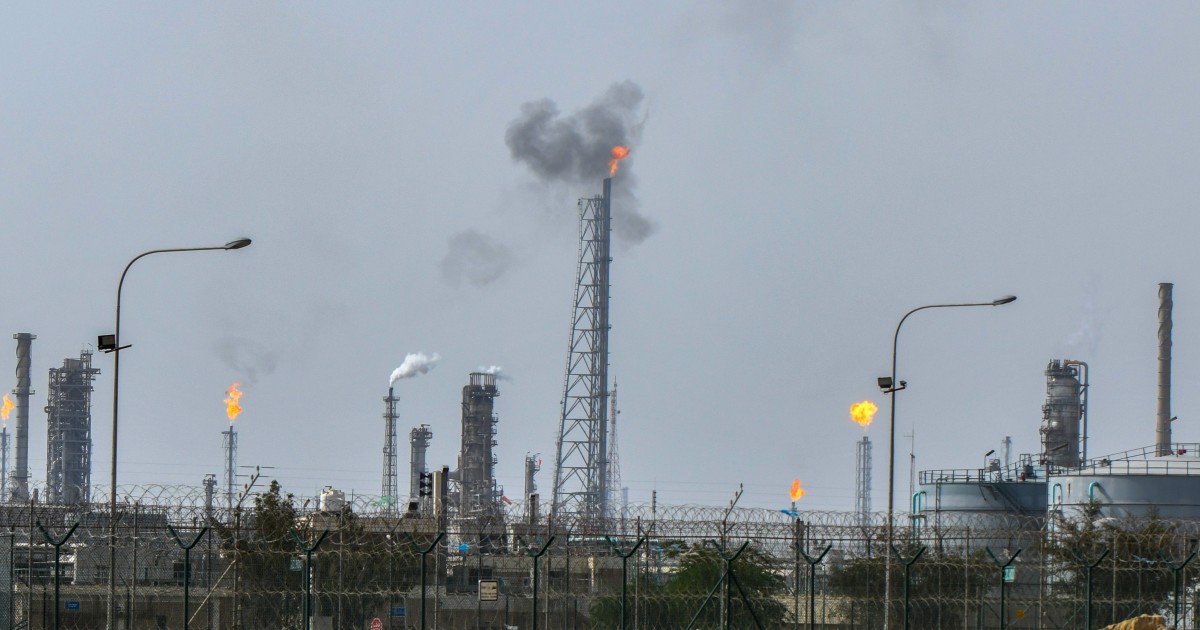
Roberts Bank Terminal 2 expansion to support new southern pipeline route
The federal government and British Columbia have launched a major infrastructure initiative to connect Alberta crude to Pacific markets via an expanded Roberts Bank terminal. The project aims to drive $3 billion in annual economic growth while facing scrutiny over potential environmental impacts.

The federal government has committed $10 billion toward the expansion of the Roberts Bank terminal in Delta, B.C., a massive infrastructure investment that analysts link directly to the future of energy transport in Canada. This funding, confirmed as part of a memorandum of understanding between Ottawa and British Columbia, positions the terminal as the southern anchor for a new, federally-supported pipeline project intended to transport crude oil from Alberta to the Pacific coast. The commitment, announced by Prime Minister Mark Carney on July 2, 2026, is intended to unlock $100 billion in new trade capacity and add $3 billion to the Canadian economy each year.
Following the announcement, Alberta Premier Danielle Smith and Prime Minister Carney unveiled plans to construct a new pipeline following the corridor of the existing Trans Mountain system. This project, which aims to deliver more than one million barrels of oil per day, is intended to serve as a catalyst for private sector investment, according to Smith. The proposed route terminates at Roberts Bank, where the terminal expansion is expected to accommodate large crude oil tankers, enabling direct access to Asian markets. Alberta has spent $18.3 million planning the project to date, with capital cost estimates for the pipeline currently placed between $35.2 billion and $43.7 billion.
Related media


The strategic importance of this southern route is underscored by the ongoing federal ban on oil tankers along British Columbia's northern coast. While Conservative Leader Pierre Poilievre has characterized the northern route as more efficient due to its proximity to Asia—claiming it takes 36 hours less time to reach Asian markets—industry consultants suggest the southern option is more viable due to established infrastructure and existing relationships with local communities. Going south follows a corridor where there’s already a great deal of knowledge and a lot of infrastructure to work from,
said Richard Masson, an energy consultant and former CEO for the Alberta Petroleum Marketing Commission.
Project Context and Regulatory Path
The integration of the pipeline with the Roberts Bank terminal has surfaced amidst a competitive landscape for port capacity. Currently, two major expansion proposals exist for the site:
| Project | Proponent | Status |
|---|---|---|
| Roberts Bank Terminal 2 (RBT2) | Vancouver Fraser Port Authority | Federal/provincial approval granted; procurement ongoing |
| Deltaport Berth 4 (DP4) | Global Container Terminals | Under review by federal impact assessment panel |
The RBT2 project, designed to add a second terminal to the site, has faced significant legal and environmental scrutiny. While a Federal Court judge dismissed a legal challenge from conservation groups last year, the project remains subject to final permitting requirements under the Species at Risk Act. Opponents, including the Wilderness Committee and Ecojustice, argue that further industrialization of the area threatens salmon habitats and the recovery of southern resident killer whales. Lucero González, a campaigner with the Wilderness Committee, stated:
"Prime Minister Carney is showing us his enthusiastic willingness to accept and fund the extinction of endangered species and a future where oil and private profit are more valuable than the entire Salish Sea ecosystem."
Economic and Political Implications
The project is structured as a private-public partnership involving the federally-owned Trans Mountain Corporation and Calgary-based Pembina Pipeline Corporation. Officials anticipate that the pipeline will generate significant revenue, though the ownership structure remains in development. Pembina Pipeline Corporation noted its initial interest position sits at 10 percent, potentially rising to 20 percent once the pipeline is operational.
The deal includes a commitment for Ottawa to address potential environmental liabilities and provide financial compensation to British Columbia. Premier David Eby stated that while the agreement does not force his province to support the pipeline, the provincial government will not challenge the project in court, provided the northern tanker ban remains intact. Business leaders view the federal investment as a necessary step for trade diversification. And so we don't have the stability and the certainty that we once had with our biggest trading partner.
said Laura Jones, CEO of the Business Council of B.C., referring to shifting trade dynamics with the United States.
What to Watch Next
- September 2026: Target for finalizing definitive agreements between the pipeline partners.
- October 1, 2026: Deadline for the federal government to designate the pipeline as a project in the national interest.
As the project advances, the focus will shift to ongoing consultations with the approximately 125 Indigenous communities whose traditional territories the pipeline route traverses. The federal government has indicated that these negotiations will begin immediately to secure their involvement as partners in the development.
How significant is this development?
Contribute your assessment to the aggregated reader intelligence ledger.
Archypedia is dedicated to independent, evidence-backed reporting. This briefing was synthesized from primary source reporting, corroborated across independent newsrooms, and verified against our Editorial Standards.
Transparency record
Evidence behind this report
This report synthesizes 10 distinct sources. Open the source ledger below to compare the underlying coverage.
- cbc.ca
- ca.news.yahoo.com
- lethbridgeherald.com
- vancouversun.com
- globalnews.ca
- ckom.com
- delta-optimist.com
- northdeltareporter.com
- wcel.org
- yahoo.com
Prepared under the Archypedia Editorial Policy by the Elena Voss editorial desk profile. AI-assisted tools may support drafting and verification; public accountability remains with Archypedia. Report an error.