US and Japan Hold Key Patents In Rare Earth Tech, Study Finds
While China dominates global rare earth mining and processing, a new study finds that the US and Japan hold the core patents for advanced applications.

A study published in the Bulletin of the Chinese Academy of Sciences on 5 July 2026 has introduced a new perspective on the global rare earth sector, highlighting a disparity between China’s upstream dominance and its downstream technological capabilities. While China maintains control over approximately 70 per cent of global rare earth mining and nearly 90 per cent of processing capacity, researchers from the University of Science and Technology of China have identified a structural vulnerability: the United States and Japan hold the core patents for the advanced functional materials that represent the industry’s most commercially valuable tier.
Rare earth materials are essential for modern technology, ranging from consumer electronics like smartphones to critical defense applications such as radar systems, missiles, and fighter jets. According to the research, downstream products — including permanent magnets, catalysts, polishing compounds, and luminescent materials — account for more than 80 per cent of rare earth-related patents worldwide. In these specific fields, the study concludes that Japan retains a technological lead in permanent magnets, while the United States holds dominance in core technologies related to catalytic, luminescent, and polishing materials.
Related media


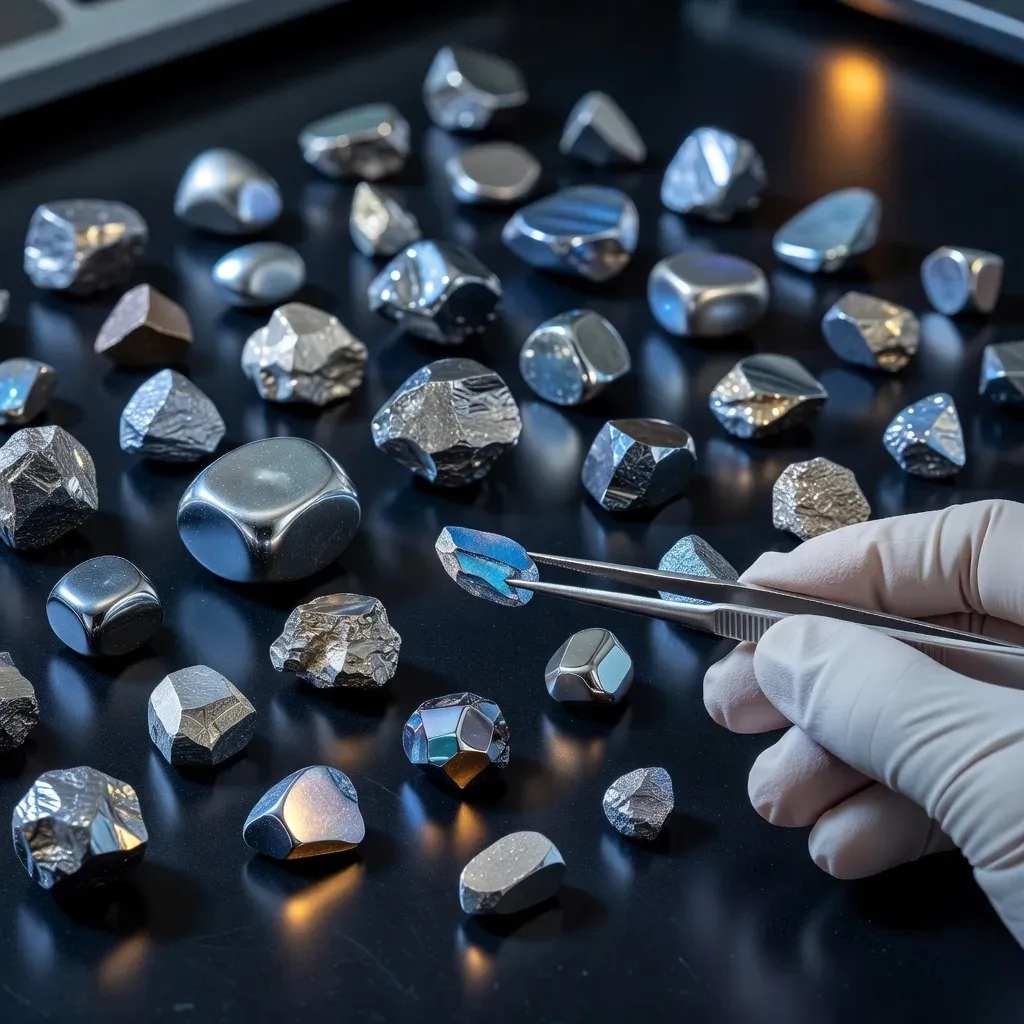
The report, as detailed by the South China Morning Post, suggests that China’s significant investment in research has not yet translated into equivalent leadership in high-value intellectual property. Researchers noted that while China files a high volume of patents, only a small proportion are high-value international filings with broad commercial influence. The study pointed to weaknesses in the domestic innovation system, including insufficient coordination between universities, industry, and intellectual property management as factors limiting the country's progress in these high-end applications.
The findings have prompted mixed reactions from industry observers. Some analysts view the publication of this report within a flagship journal of the Chinese Academy of Sciences as a significant signal from policymakers that domestic research and development must accelerate to move beyond a reliance on raw material extraction and processing. Conversely, some market experts, such as those at Rare Earth Exchanges, have urged caution regarding the study’s conclusions. They argue that patent counts do not fully account for the practical realities of industrial manufacturing. With China controlling roughly 70% of global rare earth mining, approximately 90% of processing, and about 85–90% of permanent magnet production, the sector’s "industrial flywheel", the ability to transform research into large-scale, commercialized products, remains heavily concentrated within Chinese borders.
Supply Chain Context
- Raw Material Dominance: China accounts for about 70 per cent of global rare earth mining and nearly 90 per cent of processing capacity, a position it has used to leverage export controls on various products.
- Downstream Vulnerability: The study indicates that ownership of intellectual property for final applications, such as magnets and catalysts, resides primarily with US and Japanese firms.
- Global Response: Nations including the United States, Japan, and members of the European Union are actively seeking to reduce their dependence on Chinese supply chains through investments in new mines and independent processing infrastructure.
The disparity between upstream supply and downstream innovation remains a point of tension in international trade. As Businessreport notes, the effort to build independent, resilient supply chains is a long-term challenge. Developing the specialized expertise and manufacturing capacity to rival established producers is expected to require years of investment and coordination across both private industry and government policy.
What to Watch Next
As the international community monitors these technological gaps, the following areas remain critical for investors and policymakers:
- Industrial Policy Shifts: Whether China implements new, aggressive research programs to close its technological gaps in permanent magnets and luminescent compounds.
- Manufacturing Resilience: The pace at which the US, Japan, and European nations can successfully scale their own refining and magnet production facilities to provide viable alternatives to Chinese suppliers.
- Verification of Claims: Observers await further details on the methodology and specific patent databases used in the recent study to better evaluate the extent of the reported technological deficit.
The study’s findings suggest that while China remains the primary global supplier of raw materials, the technological infrastructure supporting the most advanced applications remains a contested space. Whether this will lead to a shift in industrial strategies remains to be seen as major economies continue to treat rare earths as vital strategic assets for economic and national security.
How significant is this development?
Contribute your assessment to the aggregated reader intelligence ledger.
Archypedia is dedicated to independent, evidence-backed reporting. This briefing was synthesized from primary source reporting, corroborated across independent newsrooms, and verified against our Editorial Standards.
Transparency record
Evidence behind this report
This report synthesizes 7 distinct sources. Open the source ledger below to compare the underlying coverage.
- rareearthexchanges.com
- rediff.com
- scmp.com
- europesays.com
- nationpress.com
- businessreport.com
- indiatoday.in
Prepared under the Archypedia Editorial Policy by the Elena Voss editorial desk profile. AI-assisted tools may support drafting and verification; public accountability remains with Archypedia. Report an error.