Boutique condos likely to have more quality defects: BCA
Singapore's Building and Construction Authority reports a higher incidence of workmanship defects in small-scale boutique condo projects. New regulatory frameworks are now in place to hold developers accountable for construction quality.
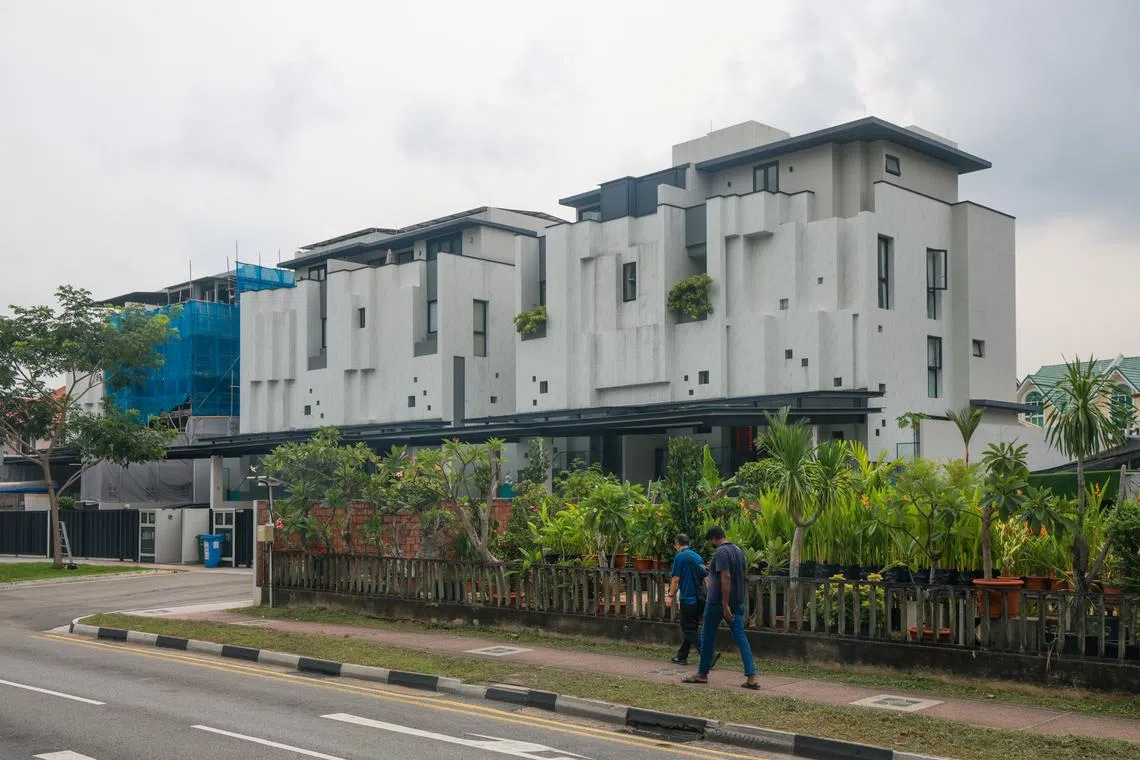
Boutique residential projects in Singapore are facing increased scrutiny regarding their construction quality, with recent data from the Building and Construction Authority (BCA) revealing that smaller developments are disproportionately represented among projects with lower workmanship ratings.
The BCA assessment, which evaluates projects under the Construction Quality Assessment System (Conquas), identified that small residential projects—typically defined as having fewer than 50 units—account for over 58 per cent of private residential projects with low ratings for construction workmanship over the past six years. Among 167 projects assessed, 48 received the three lowest band ratings, with 28 of those categorized as small condos.
Related YouTube video
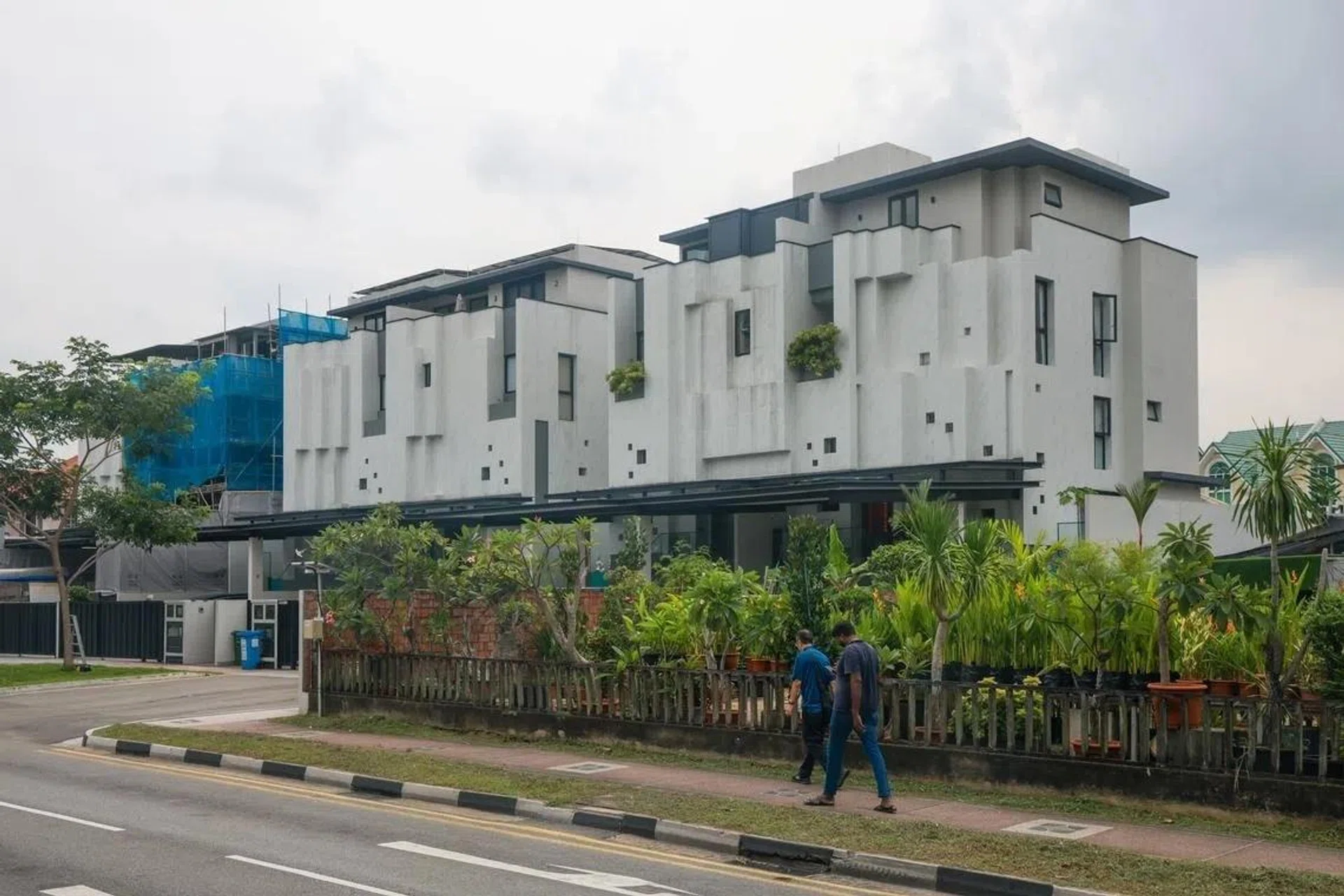

Understanding Quality Risks
Industry observers attribute the quality gap to differences in construction methodology. According to Sing Tien Foo, provost’s chair professor of real estate at NUS Business School, small-scale projects often rely more heavily on manual site work rather than the industrialized, pre-fabricated systems common in larger developments. Larger sites are more likely to employ established main contractors capable of deploying extensive mechanization and experienced personnel, which inherently reduces the margin for error.
Specific defects contributing to these lower scores include water seepage and issues with finishes, such as cracked tiles or broken glass fixtures. Under the current BCA grading system, developers and builders are categorized into six bands. Data indicates that units built by developers in the lowest performance band have a significantly higher incidence of reported defects compared to those in the highest band. For instance, reports indicate that for every 1,000 units built by a top-tier developer, fewer than one major defect is reported after the Temporary Occupation Permit (TOP). In contrast, that figure rises to 80 per 1,000 for developers in the lowest category.
Regulatory Deterrents
To address these concerns, a new Land Sales Disqualification Framework took effect on May 22. This measure allows the government to disqualify developers from participating in land sales for up to five years if they deliver projects with severe regulatory non-compliances or demonstrate a pattern of persistent major defects. This framework serves as a supplement to the Conquas system, which was established in 1989 and is mandatory for government land sales projects.
Despite these rankings, developers sometimes offer different perspectives on the assessment process. Eric Cheng, founder and CEO of Sevens Group, noted that Conquas scores reflect the views of independent assessors at a specific point in time and should be viewed within the context of the overall approval process required to obtain a TOP. Other firms have seen varied results across their portfolios; for instance, while some of Oxley Holdings’ projects achieved high rankings, others were placed in lower bands.
Guidance for Homebuyers
For prospective buyers, market experts suggest that vetting a developer’s track record is as important as reviewing glossy brochures. The following table highlights key considerations when evaluating a property purchase:
| Action | Purpose |
|---|---|
| Review BCA Quality Banding | Identify developers with consistent, high-performance histories. |
| Check Quality Mark Certificates | Verify if a specific unit passed independent unit-level assessments. |
| Inspect During DLP | Utilize the 12-month Defects Liability Period to hold developers accountable. |
| Conduct Technical Tests | Use tools like spirit levels or moisture meters to detect non-visible flaws. |
What to Watch Next
- Monthly Updates: The BCA Quality Housing Portal is expected to undergo monthly updates as new assessments are incorporated into the developer and builder bands.
- Rectification Timelines: Homebuyers should monitor the mandatory 30-day window for developers to acknowledge and rectify reported defects following a Notice of Vacant Possession.
- Mediation Trends: As awareness of these quality metrics grows, more buyers are expected to utilize the Commissioner of Buildings or the Singapore Mediation Centre to resolve persistent disputes regarding workmanship.
Homebuyers are cautioned against beginning interior renovation work until the developer has officially cleared all reported defects, as early modifications may complicate future liability claims. By leveraging objective data from the BCA's ranking system, consumers are now better equipped to distinguish between developers who prioritize long-term asset value and those whose projects may require more frequent, costly interventions.
How significant is this development?
Contribute your assessment to the aggregated reader intelligence ledger.
Archypedia is dedicated to independent, evidence-backed reporting. This briefing was synthesized from primary source reporting, corroborated across independent newsrooms, and verified against our Editorial Standards.
Transparency record
Evidence behind this report
This report synthesizes 4 distinct sources. Open the source ledger below to compare the underlying coverage.
Prepared under the Archypedia Editorial Policy by the Elena Voss editorial desk profile. AI-assisted tools may support drafting and verification; public accountability remains with Archypedia. Report an error.