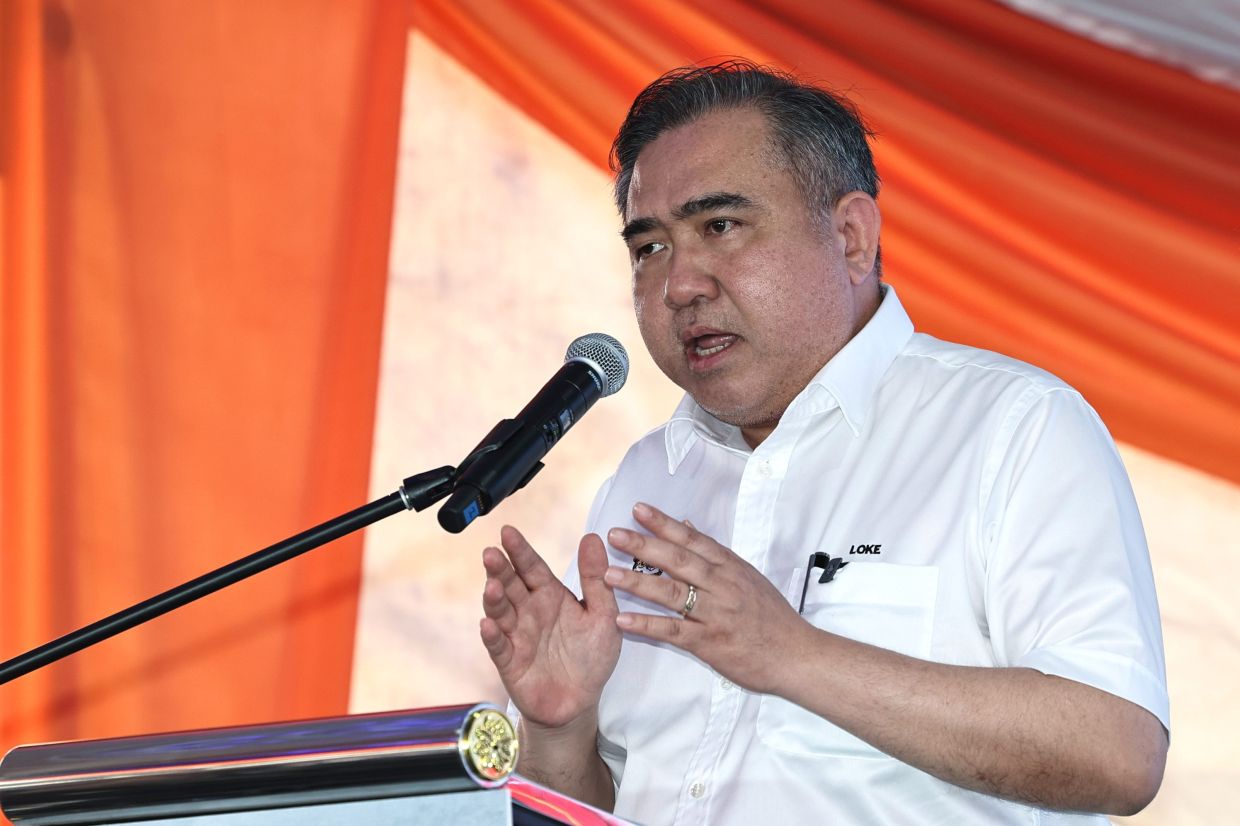
Johor durian season may boost voter turnout in state polls
Analysts are examining if the durian harvest will inadvertently boost voter participation in critical Johor electoral districts during the state election.
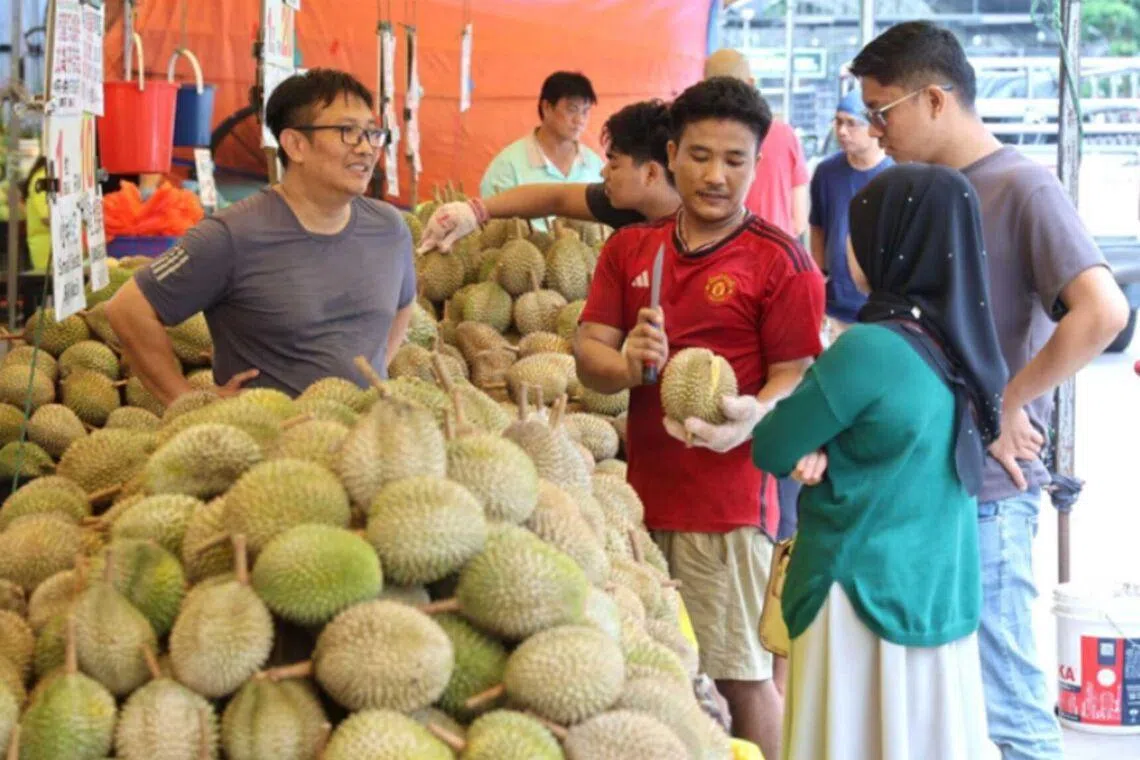
As Johor prepares for its state election on July 11, 2026, an unusual convergence of agricultural and political cycles is drawing attention. The state’s peak durian season is currently underway, and analysts suggest this coincidence may influence voter turnout in a contest where marginal seats could determine the state government's future.
The Durian Factor
The durian harvest, which spans major districts such as Batu Pahat, Tangkak, Segamat, Muar, Kluang, and Kota Tinggi, is reaching high levels of productivity. Political analysts believe this season serves as an unexpected, if secondary, catalyst for voter engagement.
Related media
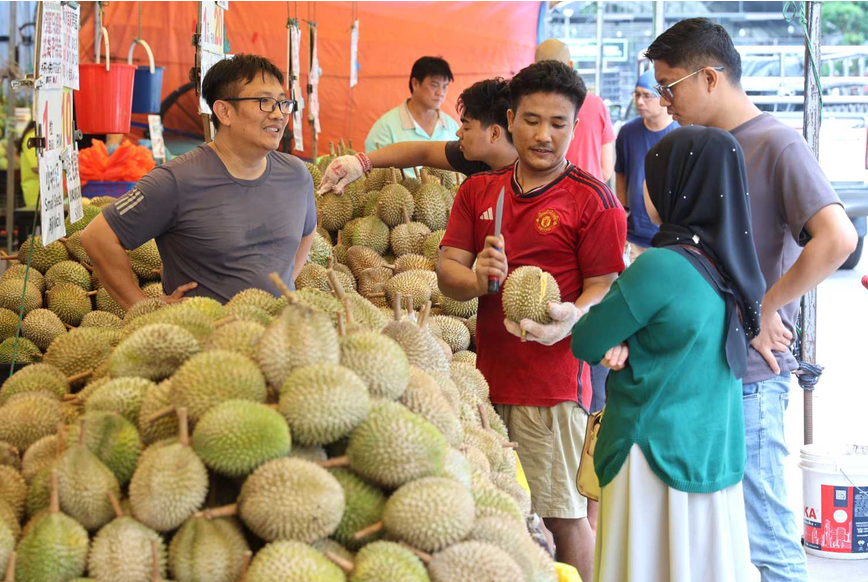

Dr. Azmi Hassan of the Nusantara Academy for Strategic Research suggests that the fruit’s cultural and economic appeal acts as a natural magnet, potentially encouraging voters to return to their home constituencies. This perspective is shared by Awang Azman Awang Pawi of Universiti Malaya, who notes that the increased economic activity from orchards and roadside sales generates movement within rural communities. He explains that family members and workers often return to these areas during the harvest, providing an opportunity for voters to combine local travel with their civic duties.
However, experts emphasize that this remains a modest influence. Sivamurugan Pandian of Universiti Sains Malaysia points out that while the season improves local sentiment and facilitates movement, it will not fundamentally alter outcomes. Furthermore, analysts have issued a clear warning: candidates must not utilize the fruit as a tool to incentivize or coerce voters at polling stations or campaign events, as such actions would risk violating established election regulations.
Strategic Battlegrounds
The significance of voter turnout is magnified by the narrow margins defining the state’s key battlegrounds. Seven specific seats — Bukit Batu, Bukit Pasir, Parit Yaani, Tangkak, Serom, Bukit Kepong, and Jementah — have been identified as critical, with current majorities in some instances falling below 200 votes. Hisommudin Bakar of the Ilham Centre notes that while a lower turnout typically favors Barisan Nasional (BN) due to its established organizational network, a higher turnout in the range of 75% to 80% could shift momentum toward Pakatan Harapan (PH) by mobilizing youth and non-Malay voters.
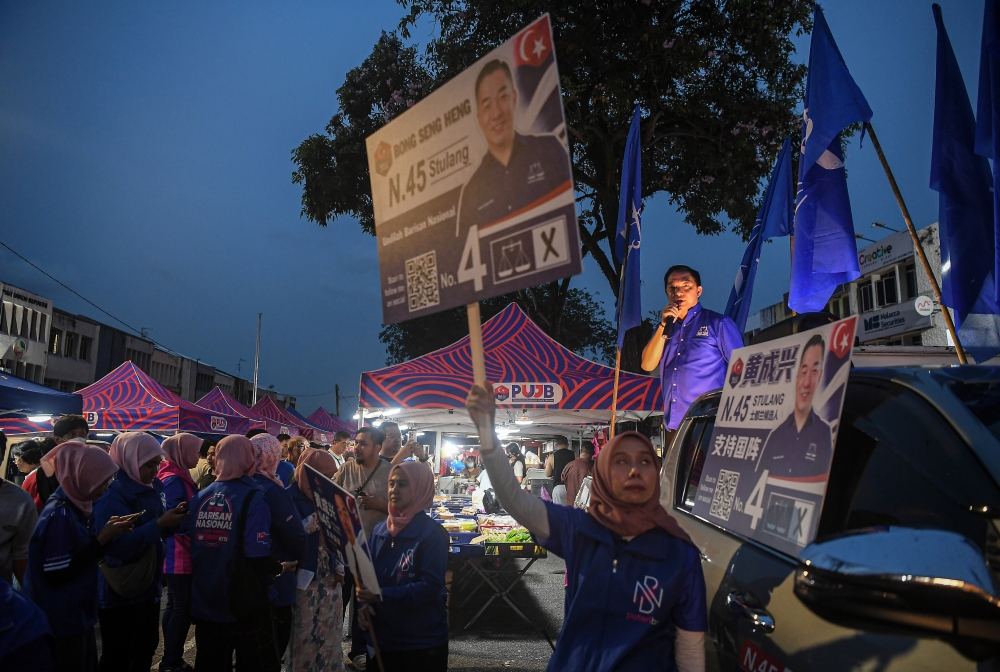
The political landscape has been further complicated by the evolution of campaign techniques. Candidates are increasingly employing a hybrid strategy that integrates traditional face-to-face engagement with digital outreach. Dr. Nazreena Mohammed Yasin of Universiti Tun Hussein Onn Malaysia highlights that this approach is necessary to navigate the diverse demographics of Johor. While urban areas respond well to digital platforms, rural constituencies, where the durian economy is most prominent, still rely on personal rapport and grassroots networks.
Candidates from across the spectrum, including those from the Pakatan Harapan, Barisan Nasional, and the Malaysian United Democratic Alliance (MUDA), are now utilizing platforms like TikTok and Instagram while maintaining community-level events. This dual approach is intended to capture the attention of a youth electorate that, according to analyst Norman Sarpan, increasingly makes political decisions independently of traditional family voting patterns.
What to Watch Next
As the state approaches the conclusion of the campaign, political observers are tracking several key indicators:
- Early Voting: Scheduled for July 7, 2026, which will provide the first concrete data on voter sentiment.
- Turnout Metrics: Whether total participation reaches the 75% threshold required to influence results in marginal seats.
- Third-Party Impact: The role of Perikatan Nasional, particularly regarding the potential for split votes between its constituent parties.
- Resource Management: How effectively parties manage the logistical challenge of mobilizing voters who may be distracted by the height of the harvest season.
With 172 candidates vying for 56 seats, the election remains a high-stakes environment where every marginal gain is contested. While the durian season may provide a subtle boost to movement within rural areas, the final result will likely depend on the effectiveness of party mobilization efforts and the ability of candidates to bridge the gap between digital perception and on-the-ground support.
How significant is this development?
Contribute your assessment to the aggregated reader intelligence ledger.
Archypedia is dedicated to independent, evidence-backed reporting. This briefing was synthesized from primary source reporting, corroborated across independent newsrooms, and verified against our Editorial Standards.
Transparency record
Evidence behind this report
This report synthesizes 5 distinct sources. Open the source ledger below to compare the underlying coverage.
Prepared under the Archypedia Editorial Policy by the Samir Haddad editorial desk profile. AI-assisted tools may support drafting and verification; public accountability remains with Archypedia. Report an error.