Wildfires rage in Portugal, Greece and Spain while Greek authorities warn of toxic smoke
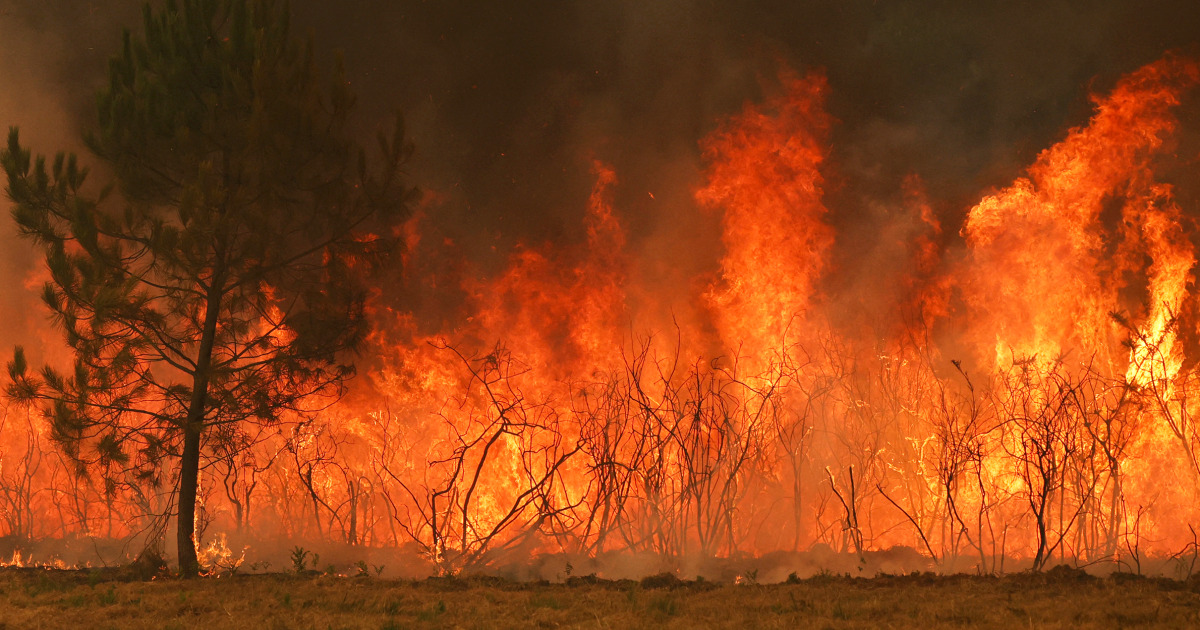
Emergency crews are battling wildfires across Southern Europe, with Greek authorities issuing air quality warnings as fires threaten urban centers. International reinforcements have been deployed to support containment efforts in Portugal and Spain amid concerns over negligence.

Crisis in the Mediterranean
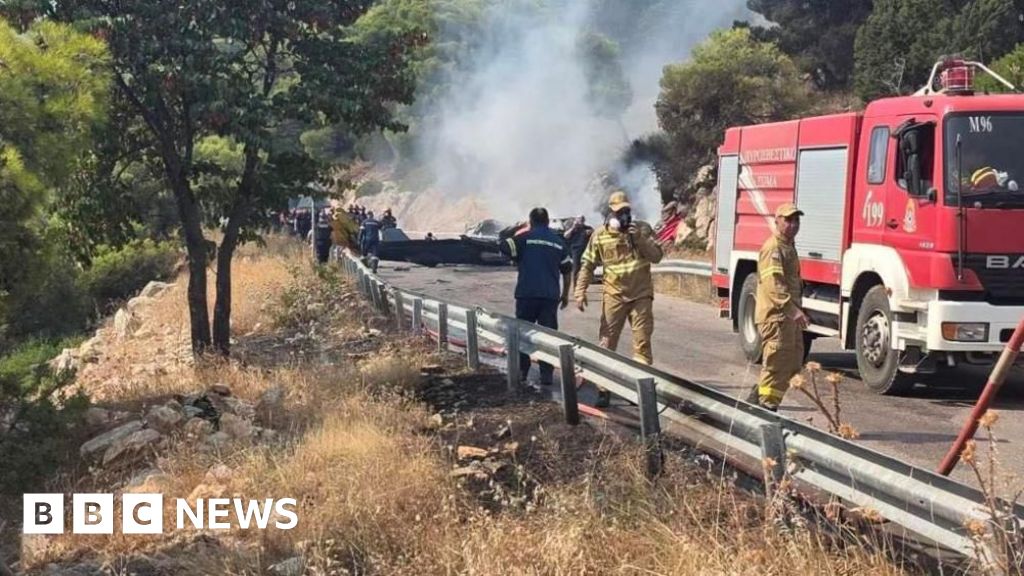
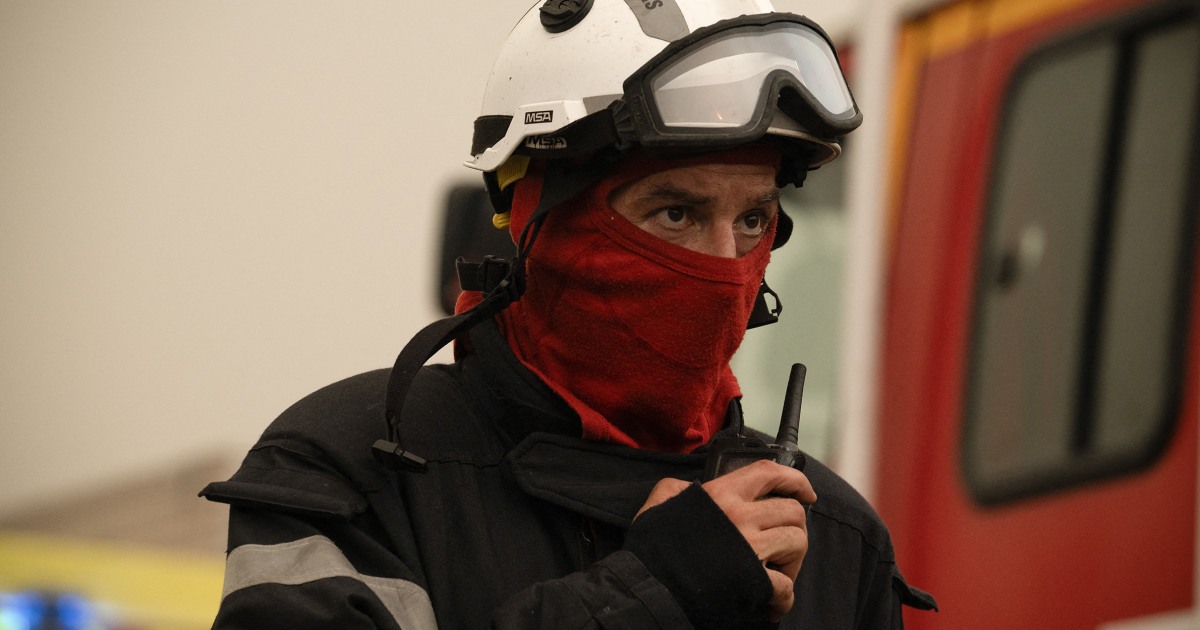
Across southern Europe, emergency services remain locked in a struggle against multiple wildfires as high winds and arid conditions fuel widespread destruction. On Sunday, hundreds of personnel were deployed to manage blazes across Greece, Portugal, and Spain, with neighboring countries coordinating to provide critical aerial and ground support.
In Greece, the threat has intensified near urban centers, forcing authorities to prioritize the health of those caught in the path of drifting plumes. Residents in parts of Thessaloniki, the nation’s second-largest city, received urgent directives to remain indoors with windows and doors sealed. These measures followed a fire that engulfed a local recycling plant on Saturday evening. The blaze, which began near the Oraiokastro suburb, necessitated the evacuation of three local neighborhoods and a facility housing 157 people with disabilities. Nighttime operations involved approximately 160 firefighters who worked to hold the line until daylight, when aerial support could resume.
Related media
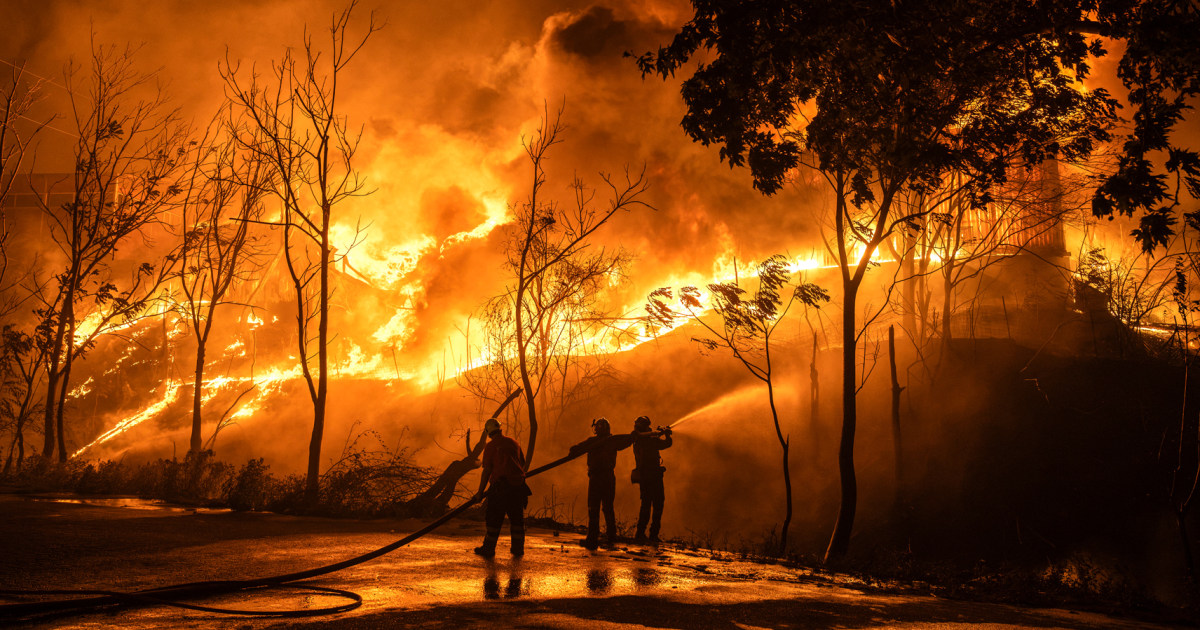
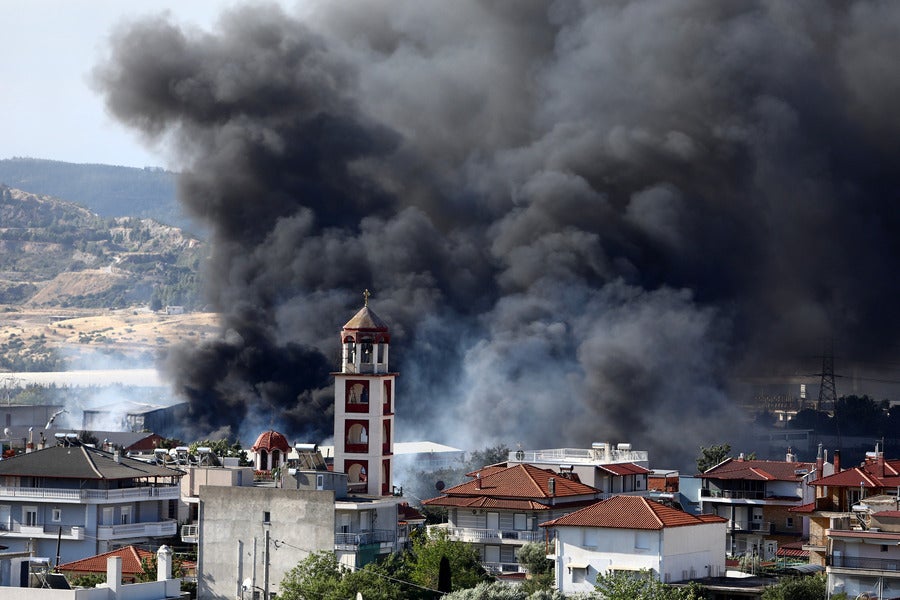
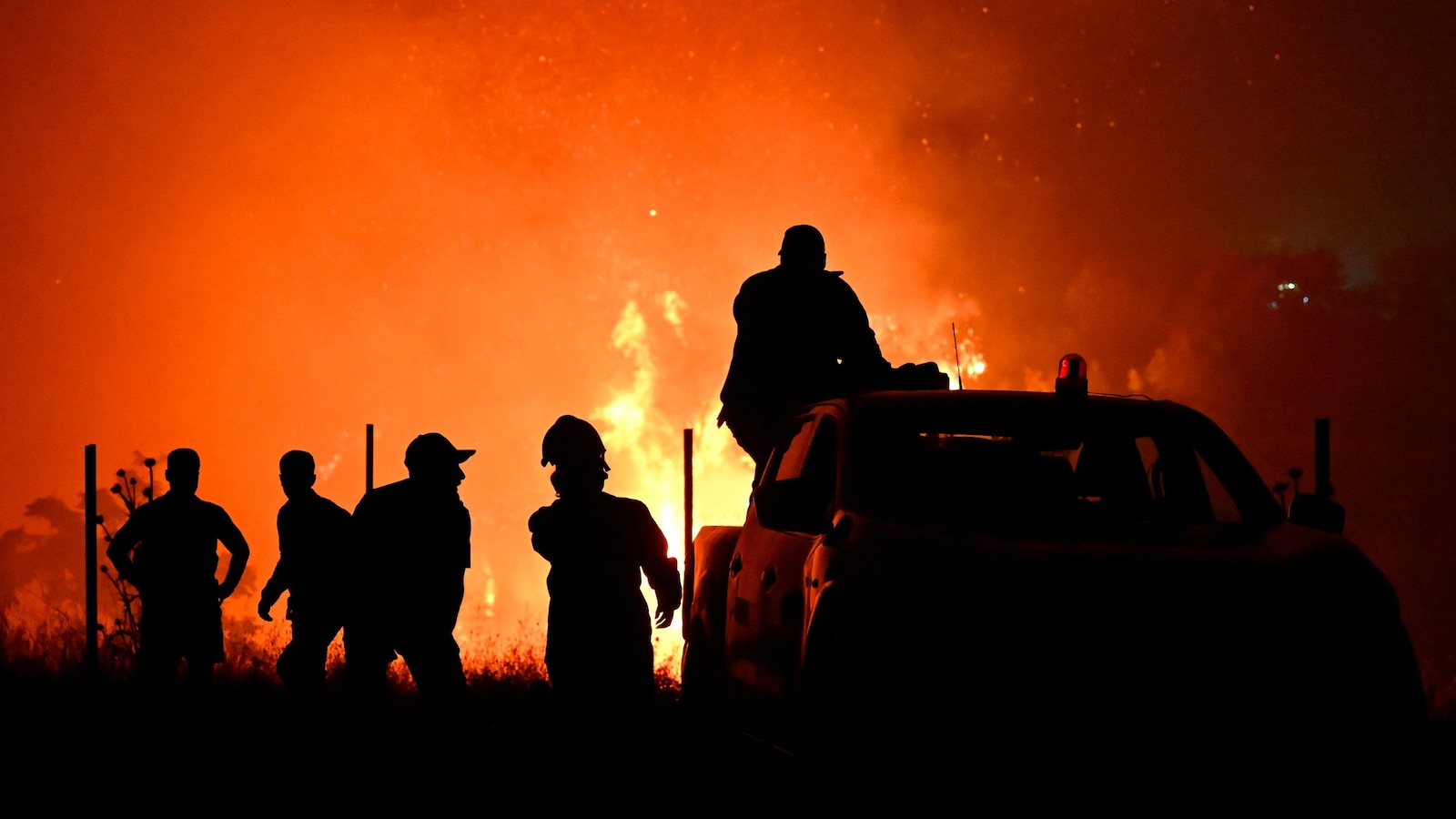
A second significant front opened Sunday afternoon in the Mandra area, located west of Athens. This fire, burning through pine forest, prompted an intensive race against time as teams attempted to gain control of the perimeter before sunset, when aircraft are grounded due to safety regulations.
International Response in Portugal and Spain
The situation in central Portugal’s Vouzela area has occupied massive resources since the fire ignited on Thursday, according to the country’s Civil Protection authority, the response includes more than 1,200 firefighters, nearly 400 vehicles, and 15 aircraft. Satellite mapping from the European Union’s Copernicus agency estimated that the fire had consumed 12,000 hectares, or 30,000 acres, by Sunday. The European Union’s Civil Protection and Humanitarian Aid office reported that Spain provided reinforcement on Friday, deploying 120 firefighters and 45 vehicles to the region, alongside additional firefighting aircraft sent from Italy and Spain.
By Sunday afternoon, conditions in Portugal appeared to be improving. While hot spots persisted, local reports indicated that the fire no longer presented major active fronts. Across the border in Spain, the Girona region has struggled with a wildfire since Friday. The Catalan Fire Service reported that the blaze has affected nearly 2,200 hectares, or 5,400 acres, with a perimeter spanning 40 kilometers, or 25 miles. Eduard Martinez, head of operations for the Catalan Fire Service, indicated that containment remained a significant challenge as of Sunday.
Negligence and Recurring Risks
A 76-year-old man was taken into custody on Sunday on suspicion of starting the Oraiokastro fire; investigators allege his vehicle generated sparks that ignited vegetation near a road. This follows a separate recent tragedy in a nearby area that resulted in the deaths of a 12-year-old boy and his father.
"This means most of them could have been avoided."
Brig. Ioannis Artopoios, Fire department spokesman, via ERT TV
Artopoios stated that approximately 85% of wildfires in Greece arise from human negligence. Common triggers include discarded cigarettes, outdoor barbecues, and the operation of agricultural machinery. Although Greece has not faced the extreme heatwaves affecting other parts of western Europe this season, the country remains in a state of high alert. Memory of past disasters persists, specifically a 2018 fire near Athens that caused over 100 deaths and the 2023 blaze in a northeastern nature reserve, which remains the largest wildfire recorded within the European Union.
Technological Intervention and Future Strains
To address the escalating danger, Greece has begun integrating new monitoring technology, including an array of four low-orbit satellites launched in May, that will monitor for wildfires. Meanwhile, the crisis has expanded its reach beyond the Iberian and Balkan peninsulas. In southwest France, a wildfire encompassing roughly 6 square miles currently threatens the third stage of the Tour de France. Depending on the movement of smoke and the perimeter of the fire near the finish line at Les Angles, officials may be forced to alter the route or cancel the stage.
As the region braces for continued instability, authorities in Oraiokastro have confirmed that a formal damage assessment for local homes and businesses will commence as soon as fire conditions permit.
How significant is this development?
Contribute your assessment to the aggregated reader intelligence ledger.
Archypedia is dedicated to independent, evidence-backed reporting. This briefing was synthesized from primary source reporting, corroborated across independent newsrooms, and verified against our Editorial Standards.
Transparency record
Evidence behind this report
This report synthesizes 6 distinct sources. Open the source ledger below to compare the underlying coverage.
Prepared under the Archypedia Editorial Policy by the Samir Haddad editorial desk profile. AI-assisted tools may support drafting and verification; public accountability remains with Archypedia. Report an error.